

Balcony gardening is a great way to bring greenery into your living space, even if you don’t have a yard. It offers a chance to grow fresh herbs, vegetables, or flowers right outside your door, making your home feel more inviting and connected to nature.
To help your balcony garden thrive, it’s important to know the right steps for choosing plants, managing sunlight, and caring for your containers. With the right approach, you can create a healthy, vibrant garden that fits your space and lifestyle.
Check how many hours of direct sunlight your balcony gets daily

Start by observing your balcony throughout the day. Note how many hours it gets direct sunlight, especially during peak hours.
Most garden plants need at least 6 hours of direct sun to grow well. If your balcony gets less light, choose plants that thrive in shade or partial sun.
Knowing your balcony’s light helps you pick the right plants and ensures your garden has the best chance to thrive.
Choose container-friendly plants like dwarf citrus or olive trees

You can create a lovely balcony garden with dwarf citrus or olive trees. These plants stay manageable in pots and add greenery without taking too much space.
Both are fairly easy to care for, making them great choices if you want low-maintenance options. Plus, they bring a nice fresh vibe to your outdoor area.
Use well-draining pots to prevent waterlogging

Choose pots with drainage holes to let excess water escape. This helps keep your plants’ roots healthy by preventing soggy soil.
Using well-draining soil along with these pots is important. It stops water from sitting in the pot, reducing the risk of root rot.
You can add materials like clay balls at the bottom for extra drainage. This keeps your balcony garden thriving without overwatering worries.
Grow herbs like basil, coriander, and spring onions for easy access
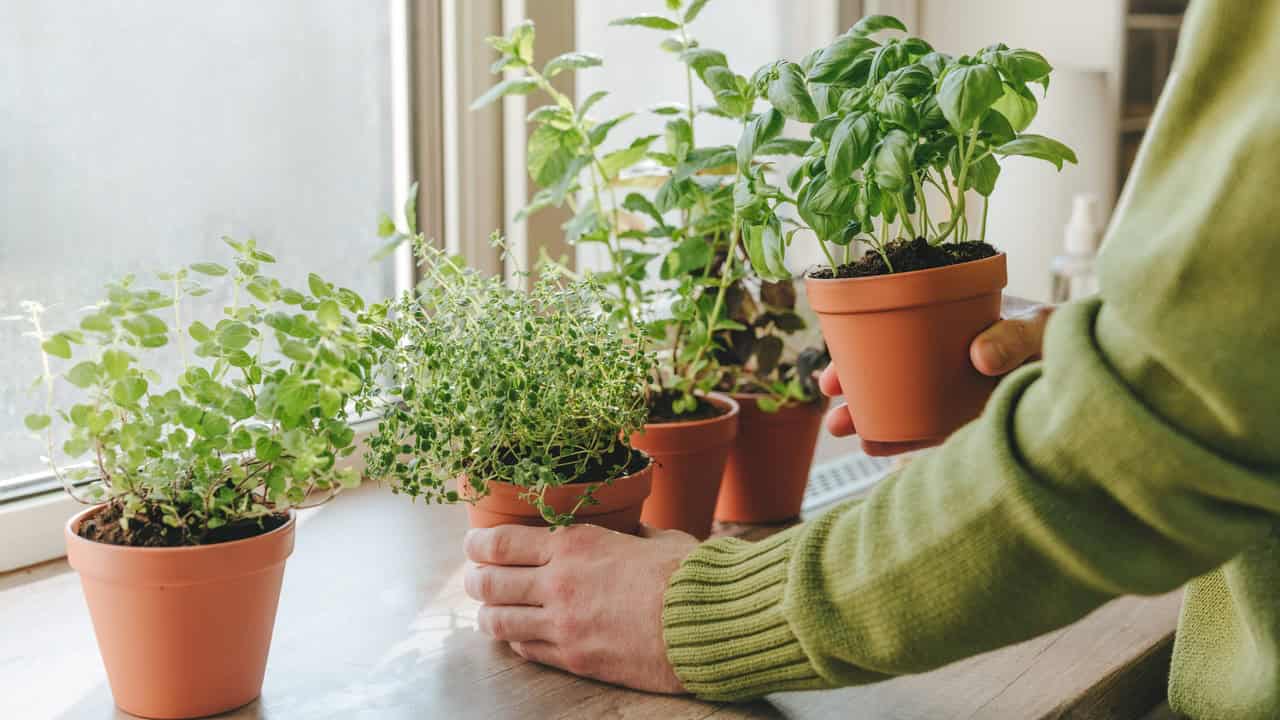
You can grow herbs like basil, coriander, and spring onions right on your balcony. These herbs don’t need much space and are handy for everyday cooking.
Keep them in pots with good drainage and place them where they get enough sunlight. Water them when the top inch of soil feels dry to keep them healthy.
Opt for compact vegetables such as kale and celery
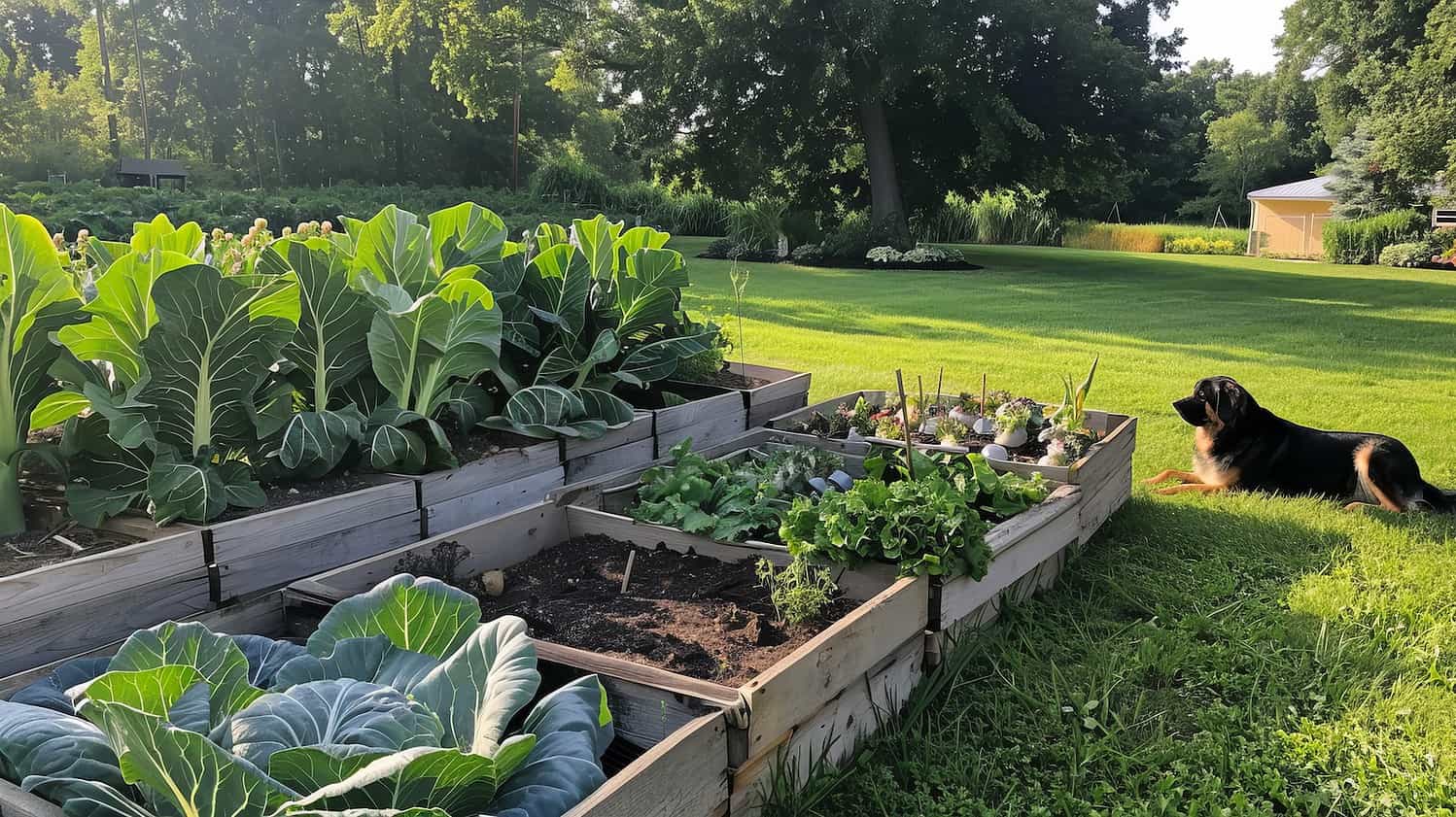
Choose vegetables that fit well in smaller spaces like kale and celery. These plants grow well in containers and need less room for roots, making them ideal for balconies.
Kale can thrive in a 5-gallon container with enough sunlight and water. Celery also grows compactly and provides fresh greens without demanding too much space.
Position plants that need more sun in the brightest spots

Place sun-loving plants where they get the most direct light, like along the edges of your balcony or near glass doors.
Plants like dwarf citrus trees or colorful-leaf species need full sun to thrive.
By giving them the brightest spots, you help them grow healthier and stronger, while shade-tolerant plants can fill in the less sunny areas.
Rotate containers periodically for even growth

You should rotate your plant containers regularly to make sure all sides get enough sunlight. This helps your plants grow evenly instead of leaning toward the light.
Try turning your pots every few days. It’s a simple way to keep your plants healthy and balanced without extra effort.
Use quality potting mix designed for container gardening

You should choose a potting mix made specifically for containers. These mixes are light and airy, helping your plants absorb oxygen easily.
Good potting mix also drains well to prevent root rot. Avoid using garden soil, which can be too dense for pots.
Adding organic matter on top can help keep moisture and nutrients available to your plants. This keeps your balcony garden healthy and growing strong.
Water plants regularly but avoid overwatering

You should water your balcony plants when the top inch of soil feels dry. This helps you avoid giving them too much water, which can damage roots.
Make sure your pots have drainage holes to let excess water escape. Using saucers under pots is helpful, but empty them regularly to prevent water buildup.
Pay attention to each plant’s needs, as some require more water than others.
Incorporate small shrubs or ornamental flowers for variety

Adding small shrubs can give your balcony garden structure and a touch of greenery all year round. Choose compact varieties that fit well in pots without crowding your space.
Ornamental flowers bring color and charm to your setup. You can rotate seasonal blooms to keep things fresh and lively, making your garden feel inviting and personal.

As a mom of three busy boys, I know how chaotic life can get — but I’ve learned that it’s possible to create a beautiful, cozy home even with kids running around. That’s why I started Cultivated Comfort — to share practical tips, simple systems, and a little encouragement for parents like me who want to make their home feel warm, inviting, and effortlessly stylish. Whether it’s managing toy chaos, streamlining everyday routines, or finding little moments of calm, I’m here to help you simplify your space and create a sense of comfort.
But home is just part of the story. I’m also passionate about seeing the world and creating beautiful meals to share with the people I love. Through Cultivated Comfort, I share my journey of balancing motherhood with building a home that feels rich and peaceful — and finding joy in exploring new places and flavors along the way.


