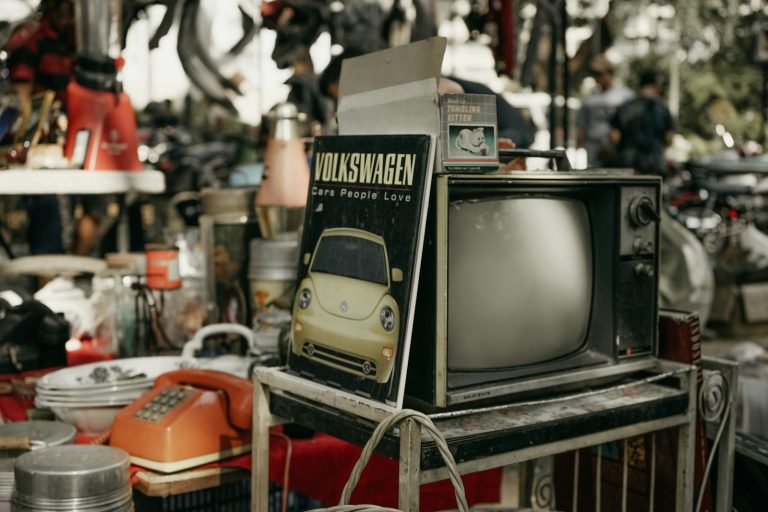
As collectors and enthusiasts alike scour flea markets and estate sales, a surprising trend has emerged: vintage tools from the 1950s are fetching prices that would shock many. These tools, once commonplace in households and garages, now hold significant value, attracting attention from both hobbyists and serious collectors. Understanding the worth of these items not only underscores the craftsmanship of the era but also highlights a growing interest in nostalgia and sustainability.
1. Craftsman Wrenches
Craftsman wrenches, particularly those produced in the 1950s, are highly sought after for their durability and craftsmanship. Many collectors are willing to pay upwards of $100 for a complete set. The high demand stems from their reputation for quality and the brand’s historical significance in American tool manufacturing.
2. Stanley Hand Planes
Stanley hand planes from the 1950s have become a prized possession among woodworking enthusiasts. Depending on the model and condition, these tools can sell for anywhere from $50 to several hundred dollars. Their precision and reliability made them a staple for craftsmen, and this legacy continues to enhance their value today.
3. Black & Decker Power Tools
The 1950s marked a transformative era for power tools, with Black & Decker leading the charge. Vintage models of their electric drills and sanders can command prices between $80 and $300. Collectors appreciate these tools not only for their performance but also for their role in the evolution of home improvement.
4. T-square and Triangles
Architectural tools such as T-squares and drafting triangles, particularly those made by well-known brands like Alvin or Staedtler, are experiencing a resurgence. Many from the 1950s can fetch between $40 and $150, especially if they are in good condition. These tools are cherished for their design and functionality, appealing to both architects and DIY enthusiasts.
5. Vintage Hand Saws
Hand saws from the 1950s, especially those made by brands like Disston, are becoming increasingly valuable. Collectors are willing to pay $50 to $200 for well-preserved models. The craftsmanship and historical significance of these tools make them not only practical but also a tangible piece of history.
6. Delta Table Saws
Delta table saws produced in the 1950s are considered some of the best on the market. Depending on their condition and model, these saws can be worth anywhere from $300 to $800. Their durability and precision have made them a favorite among woodworkers, ensuring that they remain in demand even decades later.
7. Vintage Toolboxes
Toolboxes from the 1950s, especially those made of metal or high-quality wood, are garnering attention from collectors. Prices can range from $50 to over $200, depending on the brand and condition. These toolboxes not only serve a functional purpose but also tell a story of the era’s craftsmanship and design.
8. C-Clamps and Vises
C-clamps and vises from the 1950s are experiencing a surge in popularity, with prices reaching $30 to $150 per item. Their robust construction and reliability have made them staples in workshops, and collectors appreciate their vintage charm and utility. Vintage models often feature distinctive designs that set them apart from modern counterparts.
9. Rigid Pipe Wrenches
Rigid pipe wrenches from the ’50s are highly regarded for their strength and reliability, with prices ranging from $75 to $250. These tools were essential for plumbers and are now prized by collectors for their quality and historical significance. Their continued relevance in plumbing further enhances their value in the marketplace.
10. Vintage Measuring Tapes
Finally, vintage measuring tapes, particularly those produced by Stanley or Lufkin, are fetching surprising prices of $20 to $100. Collectors appreciate their nostalgic design and accuracy, and they often stand out in collections due to their unique styles. These tools, though small, represent a significant part of the DIY culture of the 1950s.

As a mom of three busy boys, I know how chaotic life can get — but I’ve learned that it’s possible to create a beautiful, cozy home even with kids running around. That’s why I started Cultivated Comfort — to share practical tips, simple systems, and a little encouragement for parents like me who want to make their home feel warm, inviting, and effortlessly stylish. Whether it’s managing toy chaos, streamlining everyday routines, or finding little moments of calm, I’m here to help you simplify your space and create a sense of comfort.
But home is just part of the story. I’m also passionate about seeing the world and creating beautiful meals to share with the people I love. Through Cultivated Comfort, I share my journey of balancing motherhood with building a home that feels rich and peaceful — and finding joy in exploring new places and flavors along the way.