If you spend time outdoors, you know how frustrating ticks and fleas can be. These pests aren’t just annoying—they can also carry diseases that affect you, your family, and your pets. Finding natural ways to keep them away can make your backyard a safer and more enjoyable space.
One effective method is to use certain plants that naturally deter ticks and fleas, creating a protective barrier without harsh chemicals. Growing the right plants in your yard can help reduce the presence of these pests and allow you to enjoy your outdoor time with greater peace of mind.
Wormwood

Wormwood has dense, silver foliage that adds a lovely touch to your garden. Its strong scent helps keep ticks and fleas away from your yard.
You can also use wormwood leaves to make a natural spray. Just be careful, as the plant contains a mild toxin, so keep it out of reach of pets and children.
Citronella grass

Citronella grass is a popular choice for keeping ticks and fleas at bay in your yard. Its natural oils have a scent that these insects tend to avoid.
You can grow citronella grass in pots or garden beds near outdoor areas. It also adds a fresh lemony aroma to your space while helping protect your family from pests.
Garden sage

You can add garden sage to your backyard to help reduce ticks and fleas naturally. Its strong scent deters these pests, making your outdoor space more comfortable.
Sage is easy to grow and doesn’t need much care once established. Plant it near areas where you and your pets spend time to keep bugs at bay.
Rosemary
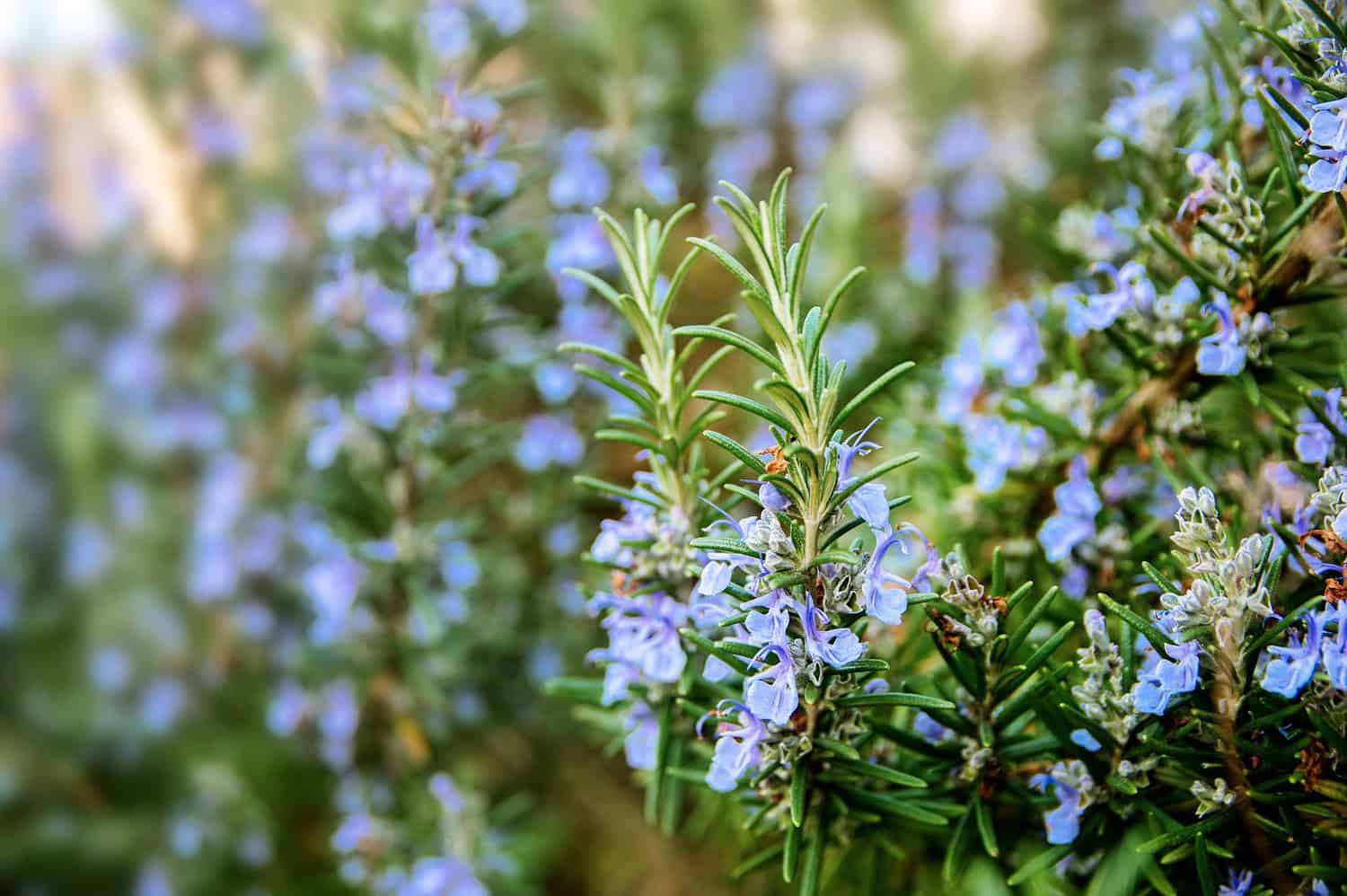
You can use rosemary in your garden to help keep ticks and fleas away. Its strong, natural scent works as a gentle deterrent for these pests.
Plant rosemary in sunny spots, and you can also sprinkle fresh sprigs around your yard for extra protection. It’s easy to grow and adds a lovely aroma to your space.
Marigold

You can add marigolds to your garden to help deter ticks and fleas naturally. Their strong scent is unpleasant to these pests.
Marigolds are easy to grow and bring a bright splash of color to your yard. They also contain compounds used in some insect repellents.
Garlic
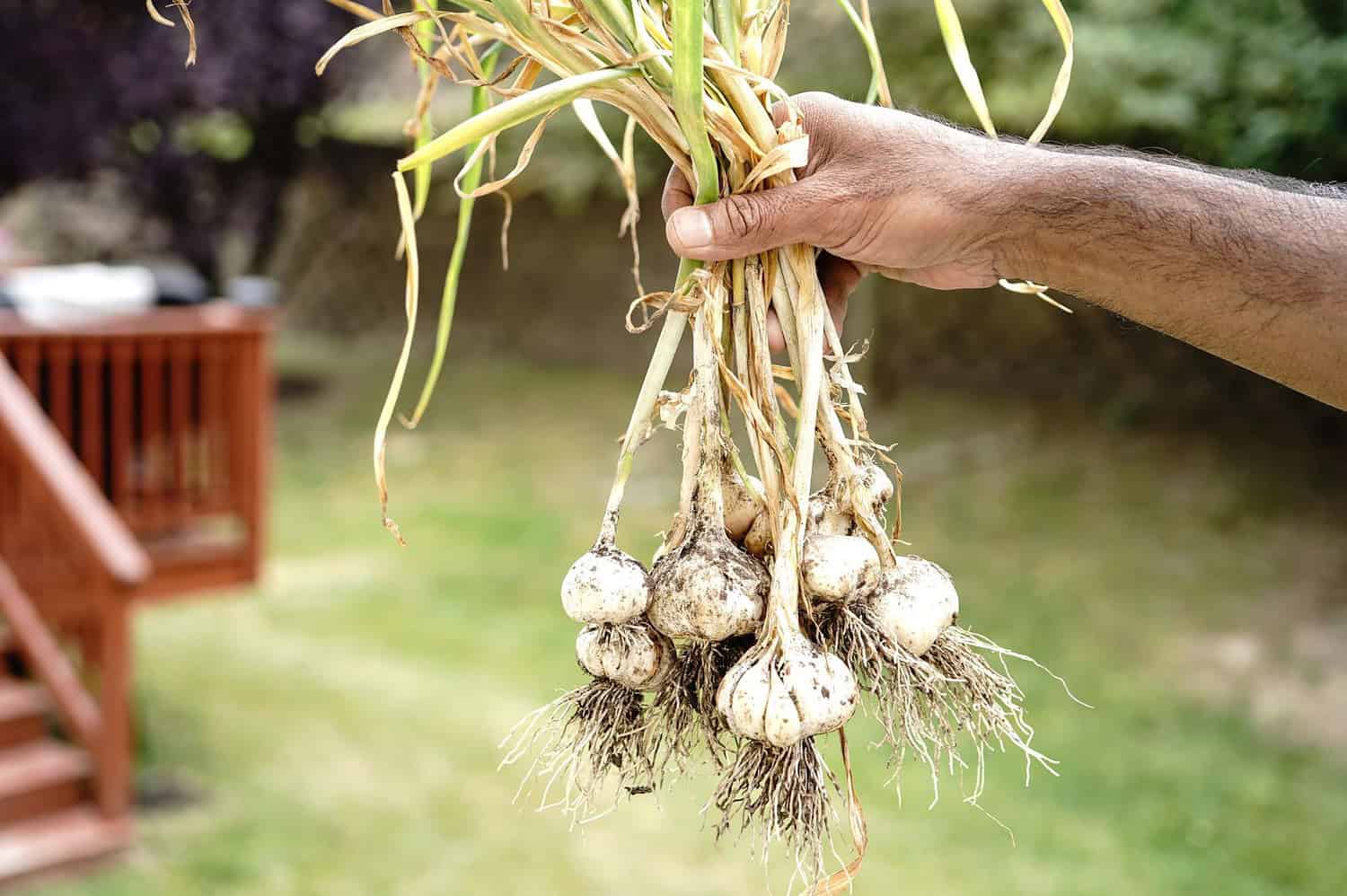
You can plant garlic in your garden to help keep ticks and fleas away. Its strong smell is unpleasant to many pests, including these insects.
Garlic also releases sulfur compounds that naturally repel bugs. It works well as a companion plant near vegetables or flowers you want to protect. Adding garlic to your backyard is an easy and natural way to reduce pests without chemicals.
Catnip

You can grow catnip in your garden to help repel ticks and fleas. It contains nepetalactone, a natural compound that some insects find unpleasant.
Plant catnip in sunny spots or use it as ground cover to add a fragrant touch while helping keep pests away. Keep in mind, its effectiveness varies and may not work for all flea or tick problems.
Rue

If you want a natural way to keep pests away, rue might help. Its fragrant leaves release a scent that insects dislike, making your yard less inviting to ticks and fleas.
You can plant rue near walkways or garden edges where you spend time. Just be careful, as rue can cause skin irritation for some people.
Pennyroyal

You can plant pennyroyal to help keep fleas and ticks away from your yard. It produces a strong scent that confuses these pests and makes your outdoor space less inviting.
Pennyroyal grows quickly and spreads easily, making it a low-maintenance option. However, be cautious, as it can be toxic if ingested by pets or humans. Keep it out of reach.
Scented geraniums

You can use scented geraniums to naturally keep ticks and fleas away from your yard. Their strong fragrance is unpleasant to these pests, making your outdoor space less attractive to them. Plus, the leaves and flowers are safe enough to be edible, adding a little fresh touch to your garden.
Lavender

You can use lavender to help keep ticks and fleas away from your garden. Its strong, pleasant scent is disliked by these pests, making your outdoor space less inviting to them.
Lavender grows well in sunny spots and adds beauty and fragrance to your backyard. Planting it near seating areas can make your time outside more enjoyable and pest-free.
Eucalyptus

You’ll find eucalyptus useful for keeping ticks and fleas away. Its strong minty and citrus scent is unpleasant to these pests.
Planting eucalyptus in your yard can add a natural barrier. The smell also freshens the air, making your outdoor space more enjoyable.

As a mom of three busy boys, I know how chaotic life can get — but I’ve learned that it’s possible to create a beautiful, cozy home even with kids running around. That’s why I started Cultivated Comfort — to share practical tips, simple systems, and a little encouragement for parents like me who want to make their home feel warm, inviting, and effortlessly stylish. Whether it’s managing toy chaos, streamlining everyday routines, or finding little moments of calm, I’m here to help you simplify your space and create a sense of comfort.
But home is just part of the story. I’m also passionate about seeing the world and creating beautiful meals to share with the people I love. Through Cultivated Comfort, I share my journey of balancing motherhood with building a home that feels rich and peaceful — and finding joy in exploring new places and flavors along the way.