Gardening can be a rewarding hobby, but it’s easy to spend more money than necessary on tasks that don’t really help your garden thrive. Many common gardening efforts may not deliver the results you expect, leading to wasted time and resources.
You can save both money and effort by learning which garden tasks are unnecessary or poorly timed. Understanding this can help you focus on what truly benefits your garden, making your work more efficient and enjoyable.
Spending too much on new raised beds instead of reusing old materials

You don’t need to buy new materials for raised beds every season. Old wood, bricks, or pallets can be repurposed to create sturdy beds.
Reusing materials not only saves money but also reduces waste from your garden. It’s a simple way to be both frugal and eco-friendly while still growing healthy plants.
Look around your yard or neighborhood for scraps that can be cleaned up and used instead of spending on new lumber or kits.
Buying fancy garden tools you rarely use
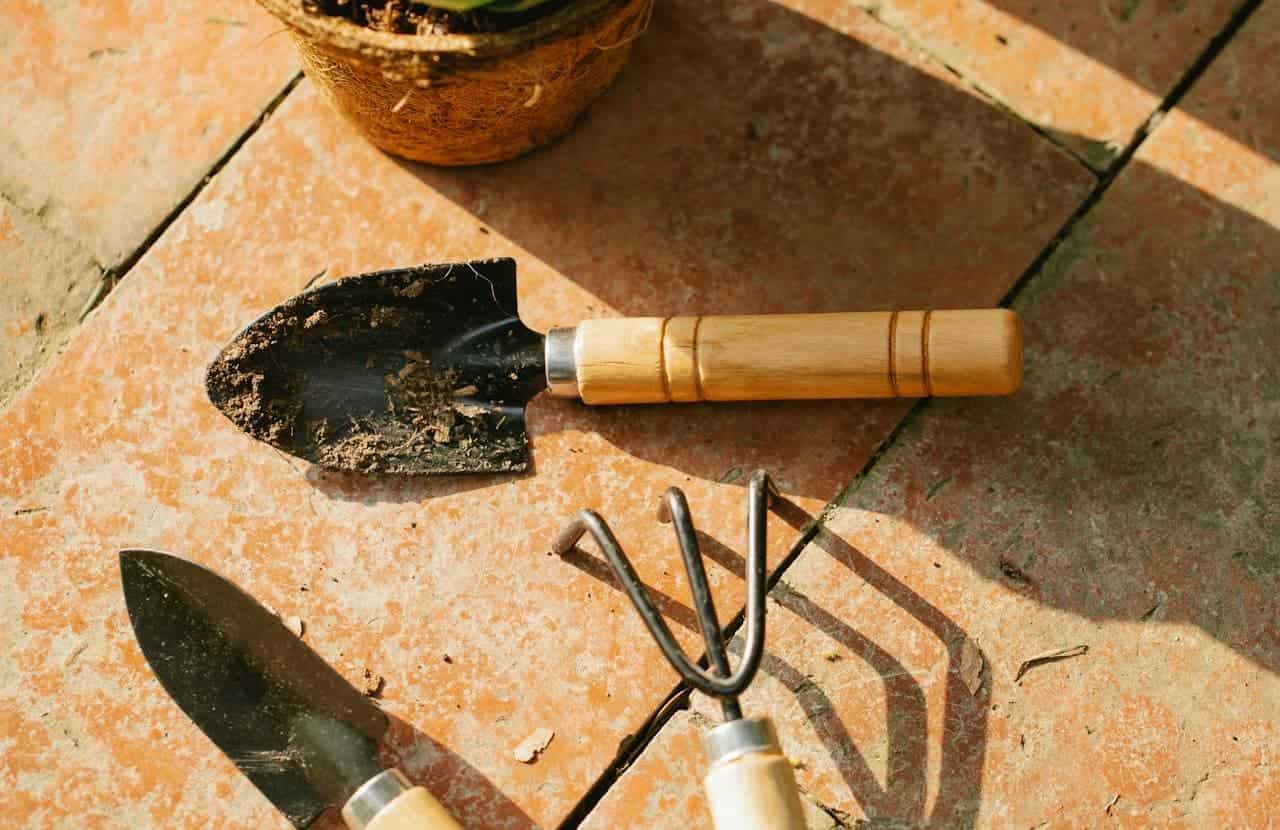
You might be tempted to buy high-end tools that promise to make gardening easier. But if you only use them once or twice, they end up gathering dust and wasting your money.
Focus on versatile, quality tools you’ll use regularly, like pruners or a hori hori knife. These will serve you well and keep your budget in check. Avoid splurging on expensive gadgets that don’t fit your gardening style or needs.
Over-purchasing seeds for plants that won’t thrive in your climate

You can save money by choosing seeds suited to your local climate. Buying seeds for plants that struggle to grow in your area wastes both time and resources.
Focus on selecting seed packets with high germination rates that match your environment. This way, you avoid the cost of failed crops and enjoy better garden success.
Learning about your climate’s conditions helps you decide which seeds to buy. This reduces wasted money and increases your garden’s productivity.
Excessive use of chemical fertilizers instead of natural compost
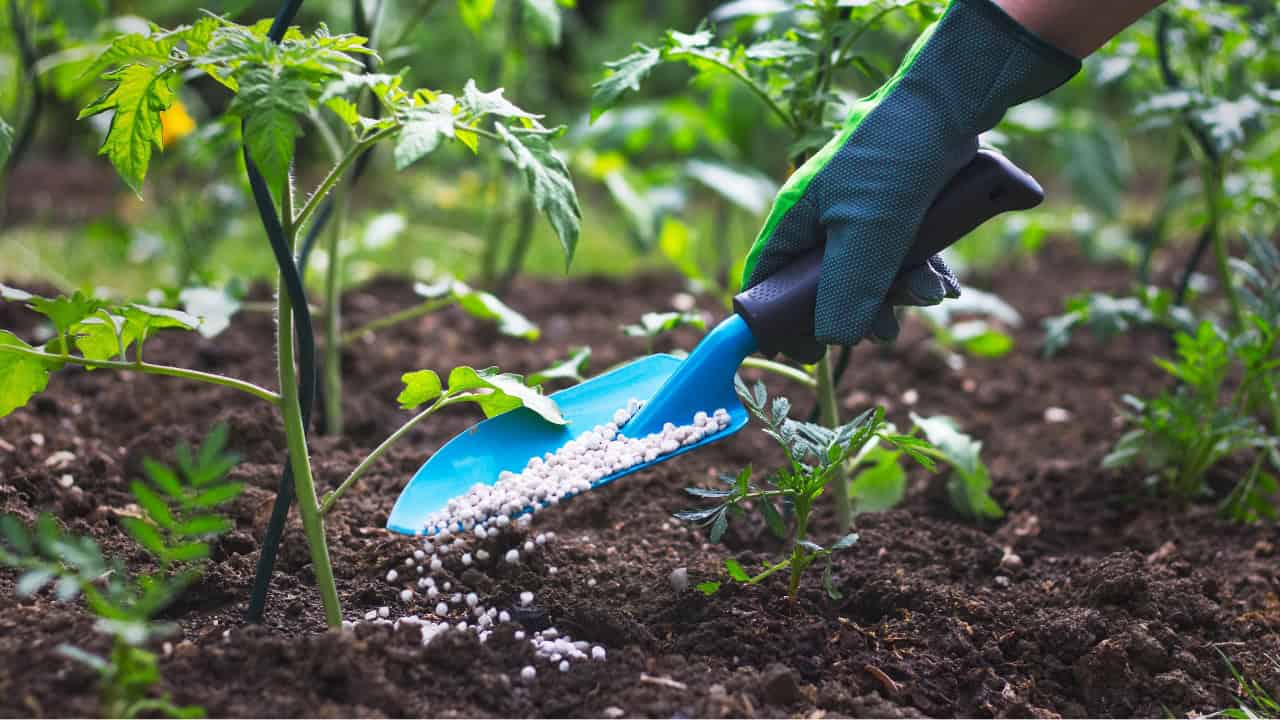
You might be spending more than necessary when using too many chemical fertilizers. These provide nutrients quickly but don’t improve your soil’s structure over time.
Natural compost, on the other hand, enriches your soil gradually and supports lasting fertility. It also helps reduce your need for repeated chemical applications.
Using compost can save you money by improving plant health naturally, so try to balance both or lean more on compost in your garden.
Investing heavily in unknown or invasive plants that fail
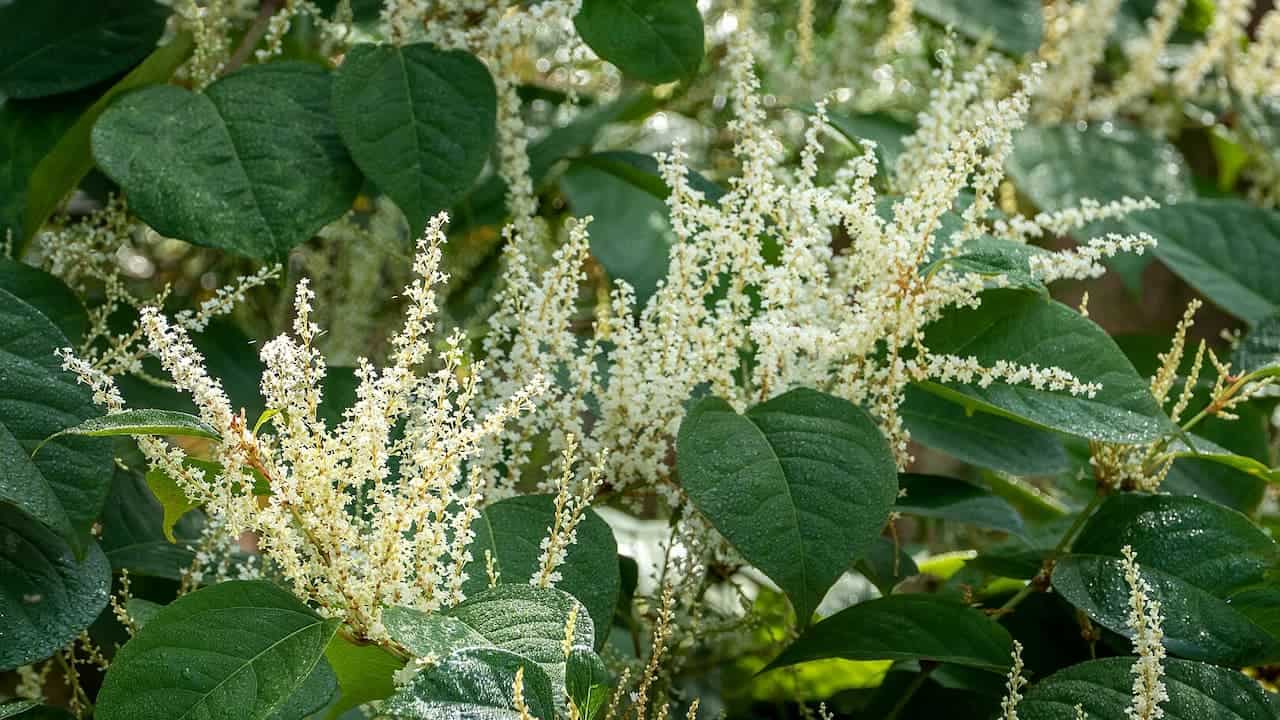
You might be tempted to try new or unfamiliar plants in your garden, but investing a lot in these can backfire. Unknown plants may not thrive in your local conditions, leading to lost time and money.
Be cautious with invasive species. These plants spread quickly and can crowd out native plants, harming your garden’s balance.
Choosing well-adapted, non-invasive plants saves you effort and protects your local environment.
Frequent replacement of soil rather than amending existing soil

You don’t always need to replace soil in your garden beds. Often, amending your existing soil by adding compost or other organic matter can improve its health without the cost of new soil.
Replacing soil frequently can be expensive and unnecessary. Instead, focus on improving what you have by testing your soil and adding the right nutrients.
Keep in mind, adding amendments helps maintain soil structure and supports plant growth better than simply dumping fresh soil on top.
Paying for professional lawn aeration when not needed

You might be paying for lawn aeration when your soil doesn’t really need it. Aeration helps compacted soil breathe, but if your yard is healthy and drains well, this service may be unnecessary.
Renting equipment can cost $70-$100 a day, and pros charge $75 to $205. Knowing when your lawn actually needs aeration saves you money and effort. Check your soil before booking a service.
Buying expensive staking supplies instead of growing self-supporting plants

You don’t need to spend a lot on plant supports if you choose plants that grow upright or support themselves naturally. Many vegetables and flowers can grow strong without extra staking.
Investing in staking supplies might take money away from buying more seeds or improving soil health. Instead, focus on plant varieties that require less support to save both time and money.
Overwatering plants leading to wasted water and plant stress
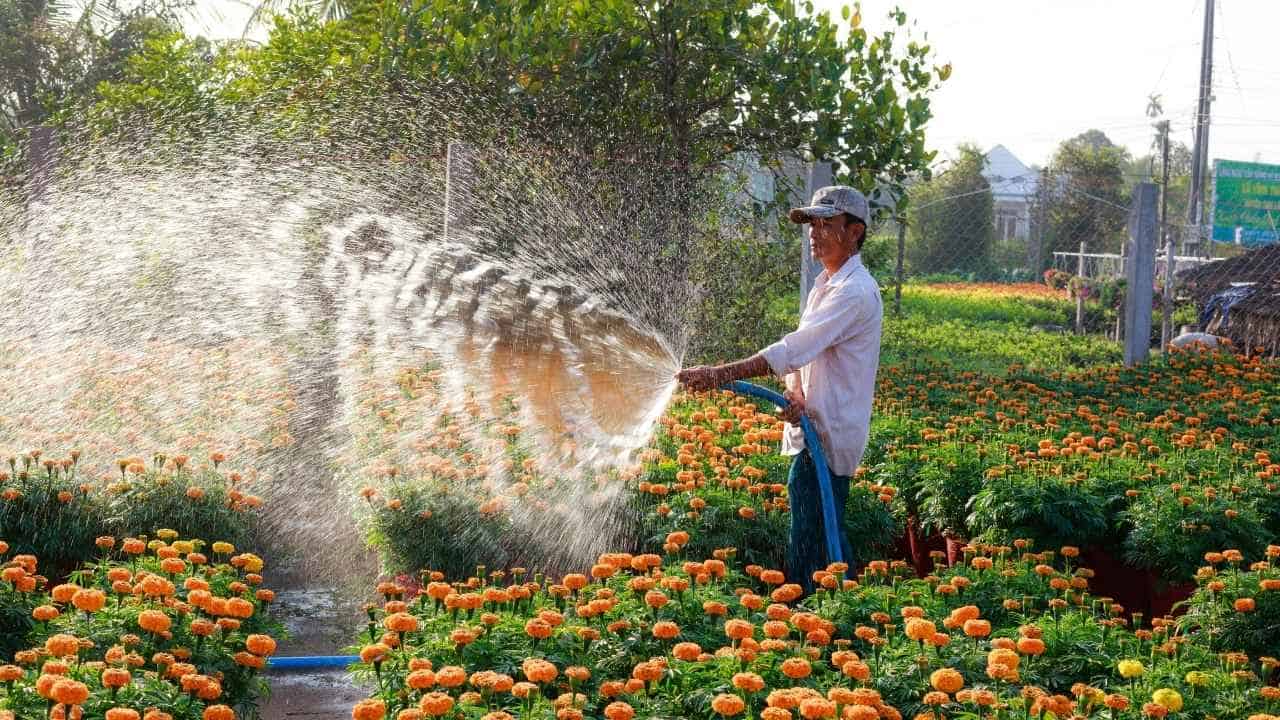
When you water your plants too much, it wastes water and harms your plants. Excess water fills the soil, preventing roots from getting enough oxygen.
This can cause root rot and make your plants weak or wilted. If you’re unsure whether to water, it’s better to wait than overdo it.
Saving water while giving your plants what they need helps your garden stay healthy and keeps your water bill lower.
Purchasing ornamental plants with high maintenance costs

When you buy ornamental plants that need constant care, your expenses can add up quickly. These plants often require special soil, frequent watering, and extra nutrients.
You might also spend more on pest control or pruning services. Choosing low-maintenance plants can save you time and money without sacrificing beauty in your garden.
Spending on decorative garden products that don’t last

You might be tempted to buy garden decor that looks great now but fades or breaks quickly. These products often cost more in the long run because you have to replace them frequently.
Instead, consider using recycled or homemade decorations. They can add personality to your garden without draining your budget.
Focusing on durable, simple items helps you save money and enjoy your garden longer.
Overdoing weeding beyond the point of real produce value

You might feel the need to weed constantly, but too much time spent weeding can cost you more than it saves. After a certain point, extra weeding doesn’t increase your garden’s yield or quality.
Focus on weeding enough to keep your plants healthy and reduce competition. Spending hours beyond that can drain your time and energy without adding real value to your harvest.
Rushing to scarify and aerate the lawn every season unnecessarily

You don’t always need to scarify or aerate your lawn every season. Scarifying removes moss and thatch, which helps growth but only when buildup is a problem.
Aerating relieves soil compaction, but if your lawn feels soft and healthy, it might not be needed yearly. Check your soil and grass condition before spending time and money on these tasks.
Fertilizing lawns and garden beds more than needed

You might think more fertilizer means a healthier garden, but that’s not always true. Over-fertilizing can waste money and sometimes harm your plants.
Test your soil before adding fertilizer. If it already has enough nutrients, extra fertilizer won’t help.
Also, avoid fertilizing empty garden beds. It’s better to amend soil right before planting rather than too early. This keeps your garden costs down and plants happy.

As a mom of three busy boys, I know how chaotic life can get — but I’ve learned that it’s possible to create a beautiful, cozy home even with kids running around. That’s why I started Cultivated Comfort — to share practical tips, simple systems, and a little encouragement for parents like me who want to make their home feel warm, inviting, and effortlessly stylish. Whether it’s managing toy chaos, streamlining everyday routines, or finding little moments of calm, I’m here to help you simplify your space and create a sense of comfort.
But home is just part of the story. I’m also passionate about seeing the world and creating beautiful meals to share with the people I love. Through Cultivated Comfort, I share my journey of balancing motherhood with building a home that feels rich and peaceful — and finding joy in exploring new places and flavors along the way.