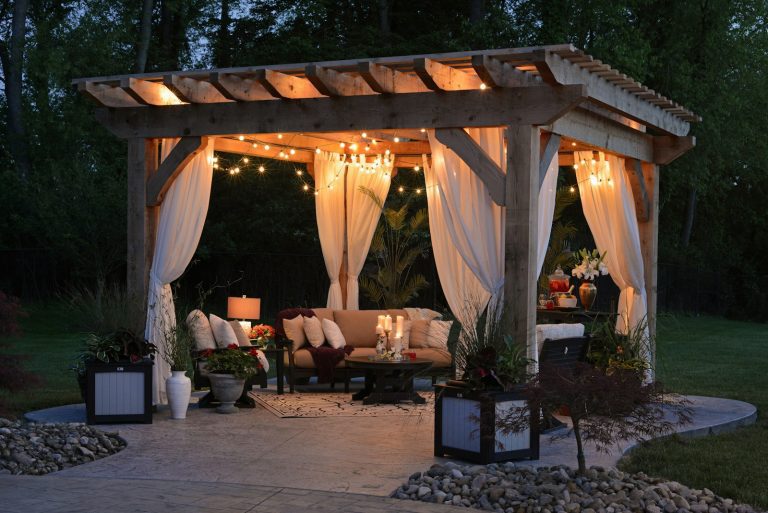
Thinking about upgrading your home? Not all improvements add value, and some end up costing more than they’re worth. Avoid wasting money on upgrades that don’t increase your home’s appeal or functionality.
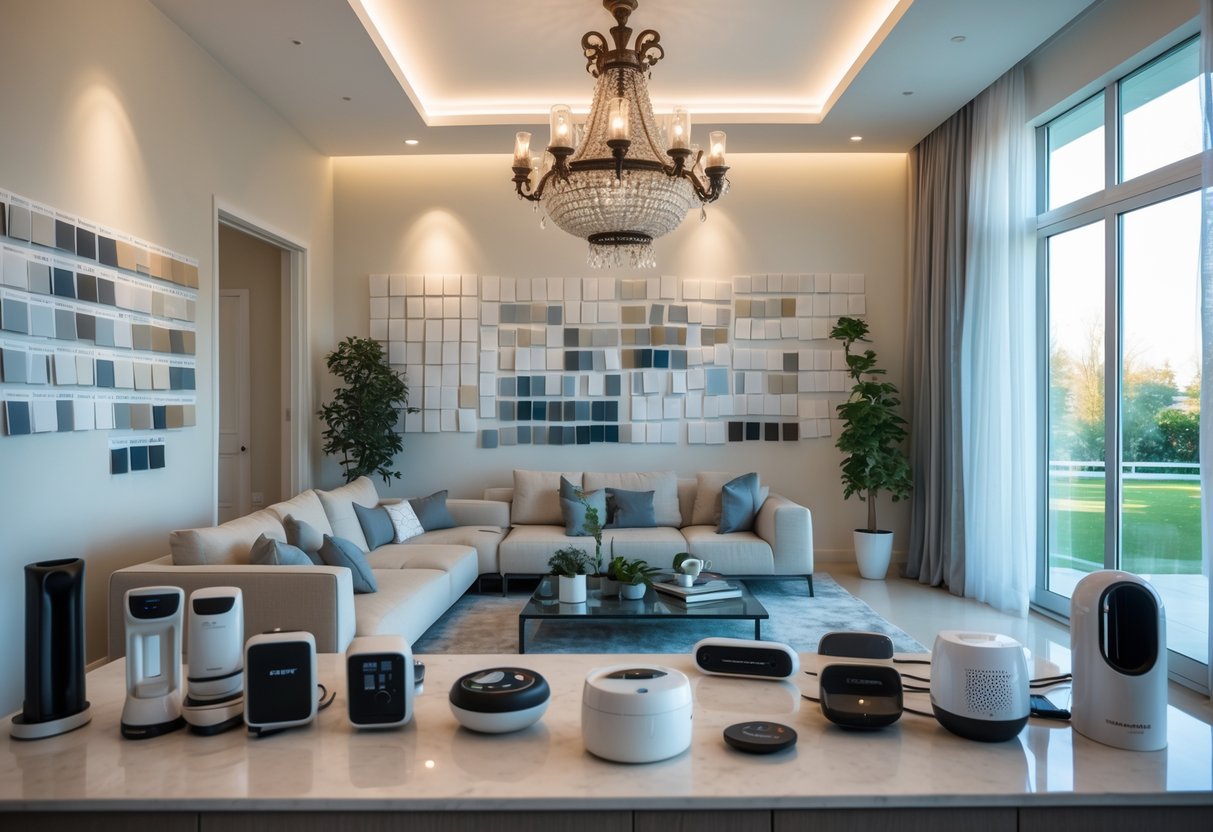
You might be tempted by trendy features or elaborate renovations, but certain changes often fail to deliver a solid return on investment. Knowing which upgrades to skip can save you time, frustration, and money.
This article will guide you through 14 home improvements that tend to be a waste, helping you make smarter decisions for your space and budget.
Common Home Upgrades That Aren’t Worth the Investment
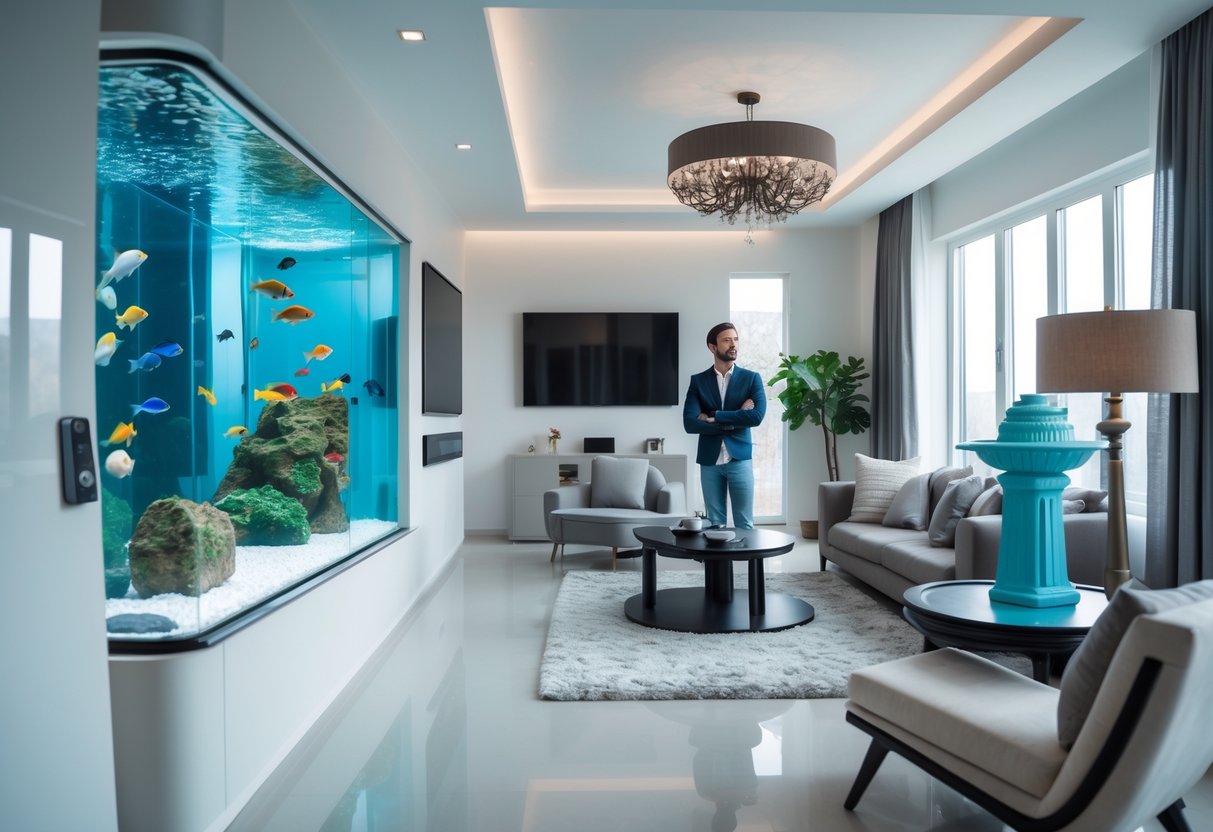
Many home upgrades offer minimal return or may even lower your home’s value. These projects often cost more than what you’ll gain if you sell, or they can limit appeal to future buyers.
High-End Kitchen Remodels
Investing heavily in top-tier appliances and custom cabinetry may not pay off. While a clean, functional kitchen attracts buyers, overly luxurious finishes can be too personalized and expensive. For example, imported stone countertops or professional-grade ranges increase costs without guaranteeing higher resale value.
Focus instead on practical upgrades like updated fixtures, energy-efficient appliances, and durable surfaces. These improvements improve usability and appeal without overspending.
Luxury Bathroom Features
Adding extravagant features such as oversized spa tubs or multiple showers might seem appealing but can be off-putting to some buyers. These installations are expensive and may not recoup their cost when selling.
Opt for simple, stylish fixtures and ensure the bathroom is clean and well-maintained. Practical choices often attract a wider audience and avoid alienating potential buyers who prefer more standard layouts and features.
Swimming Pools and Hot Tubs
Pools and hot tubs appeal to a niche market and require ongoing maintenance and insurance costs. Many buyers view them as high liability or upkeep burdens, which can limit your home’s marketability.
If your climate doesn’t support year-round use, or if you’re unsure about the preferences of future buyers, it’s often wiser to skip a pool or hot tub.
Extensive Landscaping Projects
Spending big on elaborate landscaping, like large water features or expensive plant collections, rarely adds value proportionally. These projects demand regular upkeep, which can deter buyers who prefer low-maintenance yards.
Stick to simple, tidy landscaping—well-manicured lawns, native plants, and clean pathways. This balances curb appeal with ease of care and keeps landscaping costs manageable.
Hidden Costs and Overlooked Money Wasters
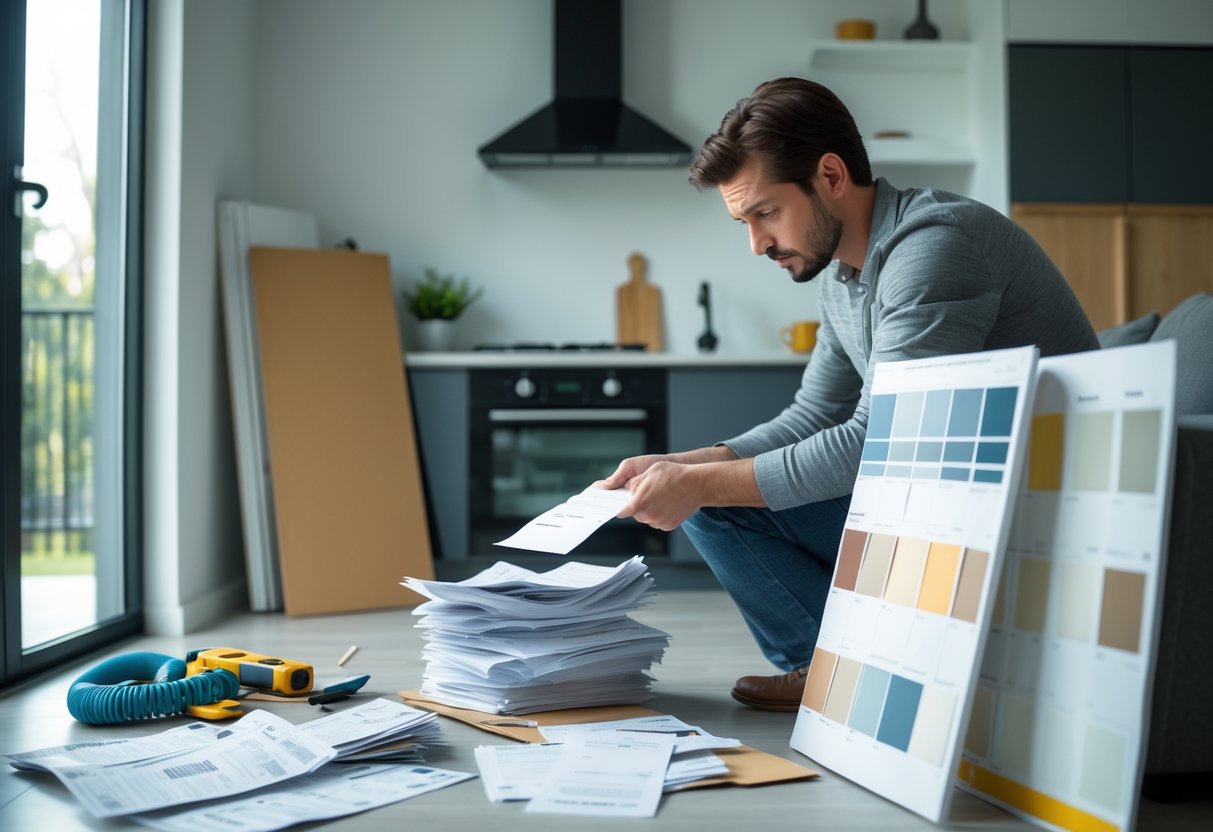
Some home upgrades can create unexpected expenses that quietly drain your budget. It’s important to know where extra costs may hide and how they affect your home’s value and your daily living.
Garage Conversions
Converting your garage into living space often sounds like a good idea to add square footage. However, this upgrade can reduce your parking space, which can hurt your home’s resale value, especially in urban areas.
You’ll also face costly permits, insulation upgrades, and possibly electrical or plumbing work to make the space habitable. Without careful planning, heating and cooling bills may rise if the new room isn’t energy efficient.
If you don’t add proper exits or windows, the space might fail building code requirements, leading to additional expenses. Weigh these factors before deciding if a garage conversion is worth it.
Home Theater Installations
Installing a home theater can seem like a fun luxury but often comes with high upfront costs for specialized equipment. Wiring, soundproofing, and custom seating add to expenses that don’t typically increase your home’s market value.
Maintenance can be expensive, as technology changes quickly, and keeping your system updated might mean spending more over time. Consider if you’ll use the space enough to justify these ongoing costs.
You might also face challenges with room acoustics and lighting, which require professional help to get right. If you do invest, focus on quality essentials rather than extravagant extras.
Smart Home Automation Overhauls
Complete smart home systems can be costly and complex to install. While individual devices add convenience, overhauling your entire home with automation often involves expensive hardware and professional setup.
Compatibility between devices can cause headaches if products from different brands don’t work well together. This may require replacing equipment sooner than expected.
Security risks are another consideration; poorly managed smart systems can expose your home to hacking. Weigh the cost of both installation and long-term updates before a full upgrade.
Solar Panel Systems in Low-Sun Areas
Installing solar panels can save money on electricity, but in regions with limited sunlight, the payoff is much slower.
Panels in low-sun areas produce less energy, which means a bigger initial investment for smaller returns. You might not break even for many years.
Maintenance costs like cleaning and inverter replacement still apply, so factor these into your budget. Research your local solar potential before committing to a system.
| Factor | Impact | Consideration |
|---|---|---|
| Garage Conversions | Possible loss of parking, permits | Check local codes and resale impact |
| Home Theater | High initial and maintenance cost | Prioritize essentials over extras |
| Smart Home Overhaul | Expensive, compatibility issues | Plan for long-term updates and security |
| Solar Panels (Low-Sun) | Slow ROI, ongoing upkeep | Evaluate regional sun exposure |

As a mom of three busy boys, I know how chaotic life can get — but I’ve learned that it’s possible to create a beautiful, cozy home even with kids running around. That’s why I started Cultivated Comfort — to share practical tips, simple systems, and a little encouragement for parents like me who want to make their home feel warm, inviting, and effortlessly stylish. Whether it’s managing toy chaos, streamlining everyday routines, or finding little moments of calm, I’m here to help you simplify your space and create a sense of comfort.
But home is just part of the story. I’m also passionate about seeing the world and creating beautiful meals to share with the people I love. Through Cultivated Comfort, I share my journey of balancing motherhood with building a home that feels rich and peaceful — and finding joy in exploring new places and flavors along the way.