A healthy garden is a true labor of love. It requires time, patience, and a careful eye on the many different elements that come together to create a thriving ecosystem. One of those key elements is mulch. Mulch is a gardener’s best friend, it helps to retain soil moisture, suppress weeds, and improve soil structure. But what happens when your mulch starts doing more harm than good?
Here are 17 signs your mulch may be killing your garden and what you can do about it.
1. Unpleasant Smell

If your garden is giving off an unpleasant smell, it could be a sign that your mulch is the culprit. Decaying mulch can produce a sour or vinegary odor, which is a clear sign that it has become anaerobic or deprived of oxygen.
The smell is produced by bacteria that thrive in environments without oxygen, and these bacteria can harm your plants. To fix this issue, you should remove the smelly mulch and replace it with a fresh layer. Always ensure your mulch is properly aerated to prevent this problem from happening again.
2. Appearance of Mushrooms

Mushrooms popping up in your garden could be a sign that your mulch is too wet. While some fungi are beneficial for your garden, certain types can seriously harm your plants.
Ensure you’re not overwatering your garden, as this can lead to excessively damp mulch. If mushrooms continue to appear, consider replacing your mulch with a type that is less susceptible to moisture, such as wood chips or bark.
3. Yellow Leaves

If you notice the leaves on your plants turning yellow, it may be a sign that your mulch is creating a nitrogen deficiency in your soil. This is especially common with wood chip mulch, as the wood decomposes it can steal nitrogen from your soil.
To solve this problem, you can add a nitrogen fertilizer to your soil before mulching. Alternatively, consider using a different type of mulch that doesn’t deplete nitrogen, such as straw or compost.
4. Wilting Plants

Wilting plants may indicate that your mulch is suffocating your garden. Deep layers of mulch can prevent water and air from reaching the roots of your plants.
To prevent this, ensure your mulch layer is no more than three inches deep. If your plants are already wilting, try to gently remove some of the mulch around the base of the plant to allow the roots to breathe.
5. Stunted Plant Growth

If your plants are not growing as expected, it might be due to your mulch. Certain types of mulch, like black walnut or eucalyptus, can release chemicals that inhibit plant growth.
Before mulching, research on the type of mulch you’re using to ensure it won’t harm your plants. If you’re unsure, opt for a neutral mulch, like straw or pine needles, which won’t affect plant growth.
6. Unwanted Pests

Mulch can sometimes attract unwanted pests, such as slugs, snails, or certain types of insects. These pests can harm or even kill your plants.
If you notice an increase in pests after mulching, consider changing your mulch. Coarse mulch, like wood chips or bark, can deter some pests, as it’s difficult for them to move across.
7. Soil Erosion

If you notice your soil eroding, it could be a sign that your mulch isn’t doing its job. Mulch is meant to protect your soil from erosion by reducing the impact of rain and wind.
If your soil is still eroding, you might not have enough mulch, or the mulch you’re using might be too lightweight. Consider using a heavier mulch, like wood chips or bark, and ensure you have a layer that is at least two to three inches deep.
8. Dying Plants

If your plants are dying without any obvious cause, it might be due to toxic mulch. Some mulch, like cocoa bean mulch, can be toxic to certain plants and pets.
Avoid using potentially toxic mulch, especially if you have pets that spend time in the garden. If you’re unsure about the safety of a type of mulch, do some research before using it.
9. Compacted Soil
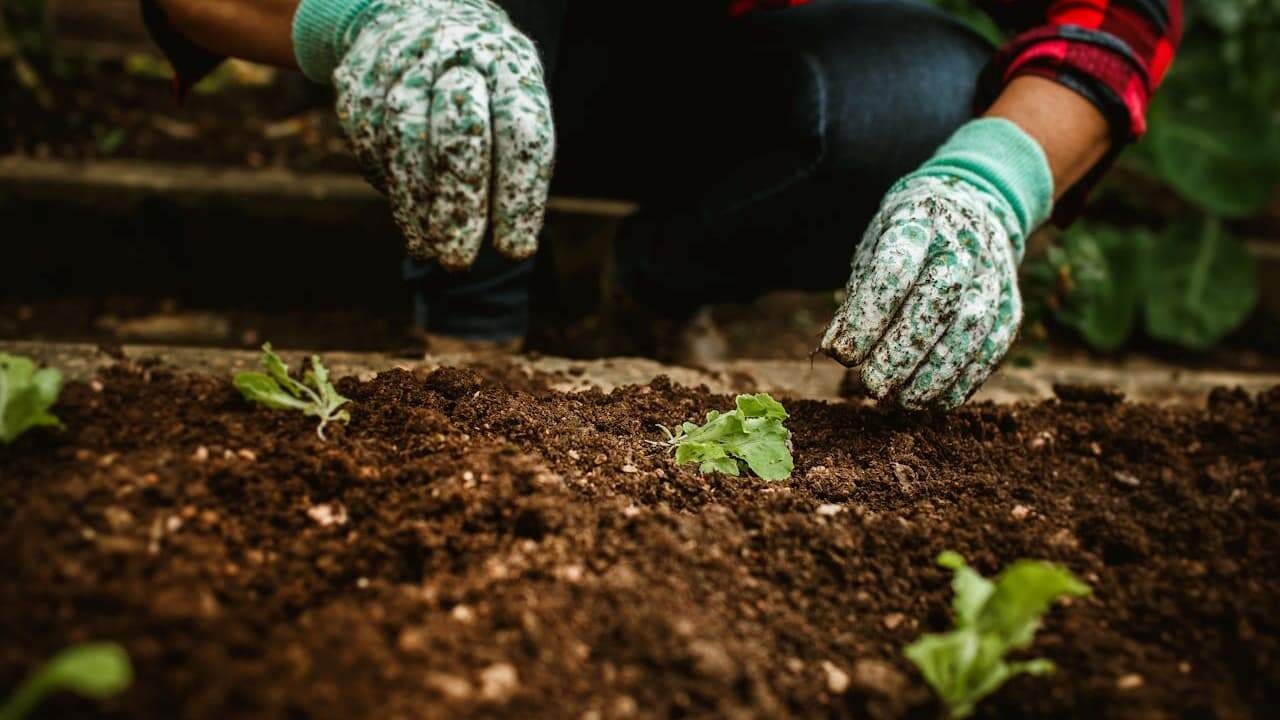
If your soil is becoming compacted, it could be a sign that your mulch is too heavy. Heavy mulch can compress the soil, making it difficult for air and water to reach the roots of your plants.
To prevent this, don’t use heavy mulch, like stone or gravel, unless it’s necessary for your garden design. A lighter mulch, like straw or bark, is usually a better choice for most gardens.
10. Plant Diseases

If your plants are becoming diseased, it might be due to your mulch. Wet mulch can harbor fungi and bacteria that cause plant diseases.
Prevent this by not overwatering your garden and by using a type of mulch that doesn’t retain too much moisture. If your plants are already diseased, remove and replace the mulch, and consider using a fungicide to treat the soil.
11. Root Rot
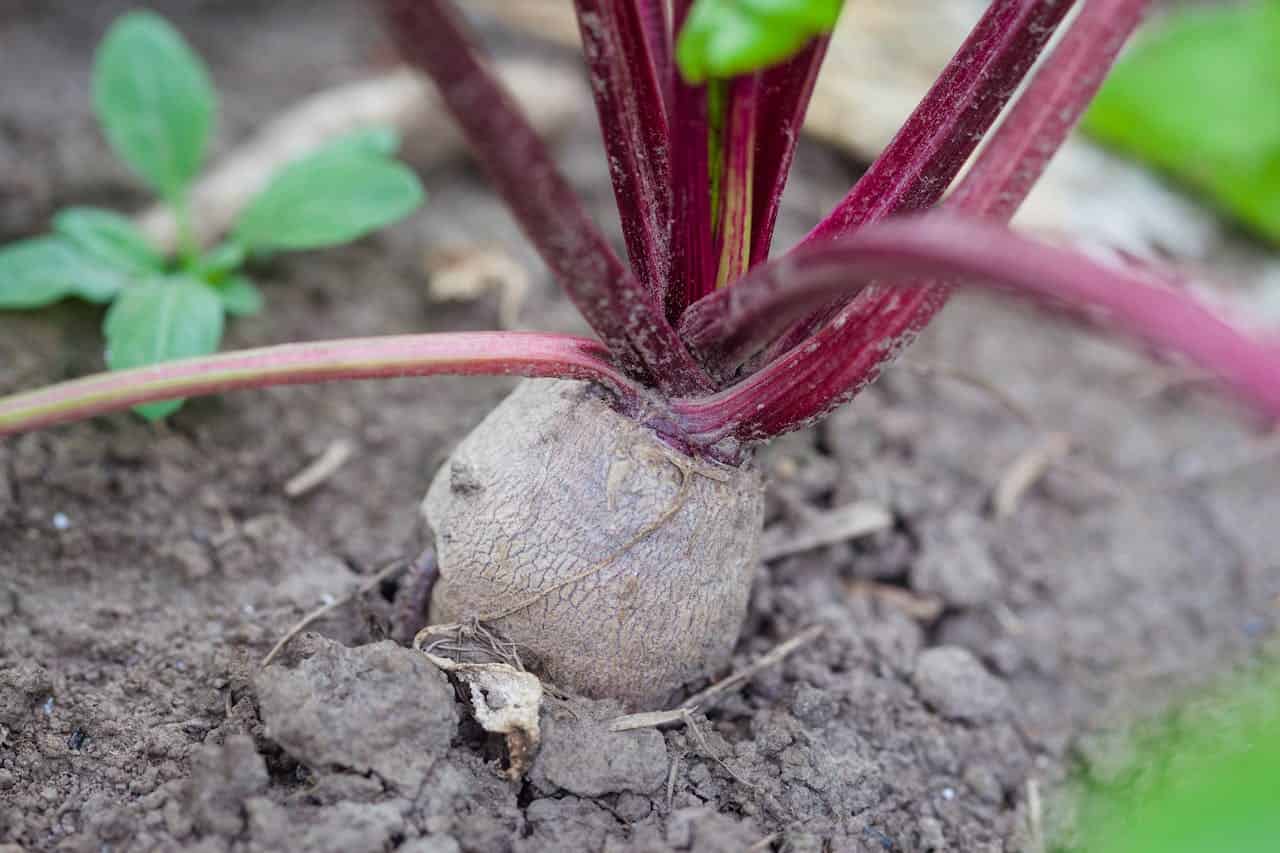
Root rot could be a sign that your mulch is retaining too much moisture. While mulch is supposed to help keep your soil moist, too much moisture can be harmful.
If you notice root rot, remove the old mulch and allow the soil to dry out before applying a new layer of mulch. Consider using a type of mulch that doesn’t retain as much moisture, like straw or bark.
12. Poor Seed Germination

If your seeds are not germinating well, it could be due to your mulch. Some types of mulch, like wood chips or bark, can create a physical barrier that makes it hard for seeds to germinate.
If you’re sowing seeds, consider using a lighter mulch, like straw or compost, which won’t interfere with germination. Alternatively, you can wait until after your seeds have sprouted to apply mulch.
13. Algae Growth

Algae growth could be a sign that your mulch is too wet. Algae thrive in damp environments and can form a hard crust on the surface of your mulch, preventing water and air from reaching the soil.
If you notice algae growth, consider changing your watering habits or using a type of mulch that doesn’t retain as much moisture. Breaking up the algae crust can also help restore airflow to your soil.
14. Discoloration of Mulch

If your mulch is changing color, it’s probably time to replace it. As mulch breaks down, it can change color, indicating that it’s no longer providing the benefits it once did.
If your mulch is discolored, consider replacing it. Remember, mulch should be replaced every one to three years, depending on the type of mulch and the conditions in your garden.
15. Poor Soil Structure

If your soil structure is deteriorating, it might be due to your mulch. Mulch is supposed to improve soil structure by adding organic matter and preventing soil compaction.
If your soil structure is poor, consider changing your mulch. Compost and well-rotted manure can improve soil structure and provide nutrients to your plants.
16. Unusual Plant Growth

Unusual plant growth could be a sign that your mulch is affecting your plant’s health. For example, if your plants are growing more on one side than the other, it could be due to uneven mulch application.
Ensure you’re applying your mulch evenly across your garden. If you notice unusual plant growth, consider checking the pH of your soil, as some mulches can alter soil pH.
17. Weed Growth

If you’re noticing more weeds in your garden, it could be a sign that your mulch is not doing its job. Mulch is supposed to suppress weed growth by blocking light from reaching the soil.
If you’re seeing more weeds, consider using a thicker layer of mulch or a type of mulch that is more effective at suppressing weeds, like wood chips or bark.

As a mom of three busy boys, I know how chaotic life can get — but I’ve learned that it’s possible to create a beautiful, cozy home even with kids running around. That’s why I started Cultivated Comfort — to share practical tips, simple systems, and a little encouragement for parents like me who want to make their home feel warm, inviting, and effortlessly stylish. Whether it’s managing toy chaos, streamlining everyday routines, or finding little moments of calm, I’m here to help you simplify your space and create a sense of comfort.
But home is just part of the story. I’m also passionate about seeing the world and creating beautiful meals to share with the people I love. Through Cultivated Comfort, I share my journey of balancing motherhood with building a home that feels rich and peaceful — and finding joy in exploring new places and flavors along the way.