You might be surprised by how much energy your home wastes every day without you even realizing it. From leaving electronics plugged in to unnoticed air leaks, these little habits add up to higher bills and unnecessary energy use. Identifying and fixing these common energy wasters can save you money and reduce your environmental impact.
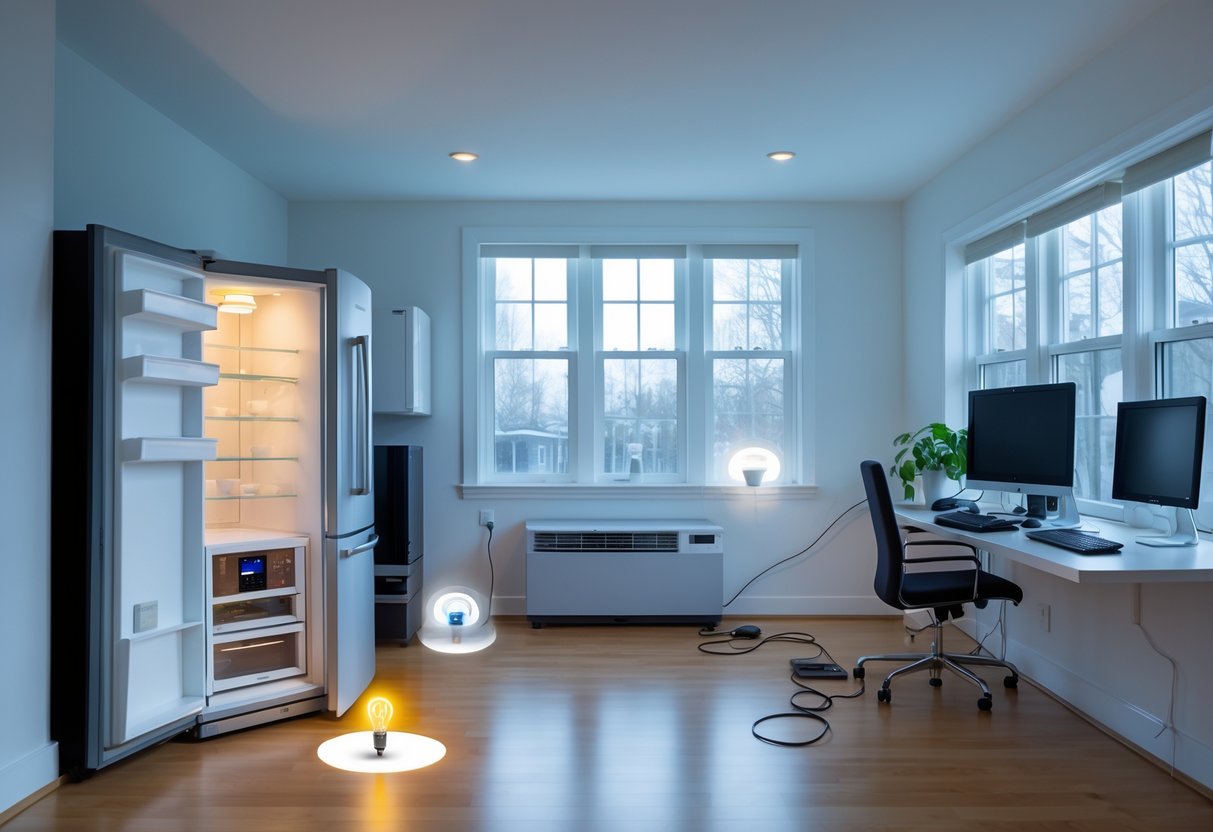
Many of these energy drains come from everyday routines—like keeping devices on standby or using old, inefficient light bulbs. Small changes in how you use your appliances and manage your home’s energy can make a significant difference.
In this post, you’ll discover 17 practical ways your home is wasting energy and simple tips to stop it. This guide will help you spot hidden issues and take easy steps to make your home more efficient.
Major Ways Your Home Is Wasting Energy
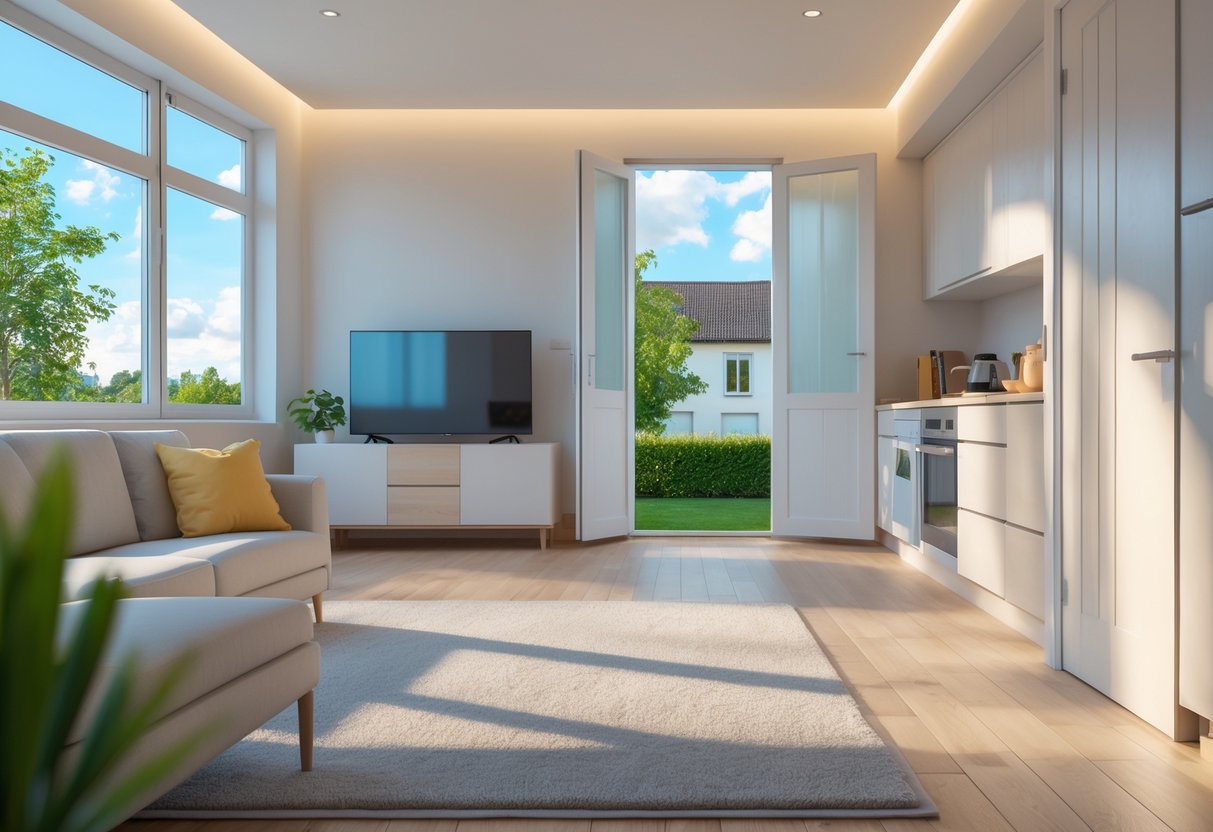
Energy loss can happen in many parts of your home, often in ways you might not notice right away. Common issues include inefficient heating and cooling, poor insulation, and gaps around windows and doors that let air escape.
Heating and Cooling Inefficiencies
Your heating and cooling system may waste energy if it’s outdated or poorly maintained. A dirty filter, blocked vents, or a system that’s too large for your space can cause it to work harder than needed. This not only increases your energy bills but also wears out the equipment faster.
Using a programmable thermostat helps you control temperatures based on when you’re home or away, reducing unnecessary heating or cooling. Sealing and insulating ductwork ensures air reaches each room without leaking. Regular system tune-ups keep it running efficiently, saving you money over time.
Poor Insulation
If your walls, attic, or floors aren’t properly insulated, warm or cool air will escape, making your heating and cooling system work overtime. Check for insulation gaps, compressed material, or old insulation that has lost effectiveness.
Adding or upgrading insulation can reduce heat loss by significant margins. Focus especially on your attic, as heat rises and most easily escapes from the top of your house. Insulation also helps keep your rooms more evenly comfortable and lowers energy use.
Drafty Windows and Doors
Gaps and cracks around windows and doors let cold or hot air sneak in, causing uneven temperatures and forcing your HVAC system to run more. Simple fixes like weatherstripping and caulking can block these leaks.
Consider upgrading to energy-efficient windows if your current ones are single-pane or poorly sealed. Storm windows add a useful extra layer. Keeping these areas airtight is one of the easiest ways to stop wasted energy and improve comfort right away.
Additional Causes of Household Energy Loss
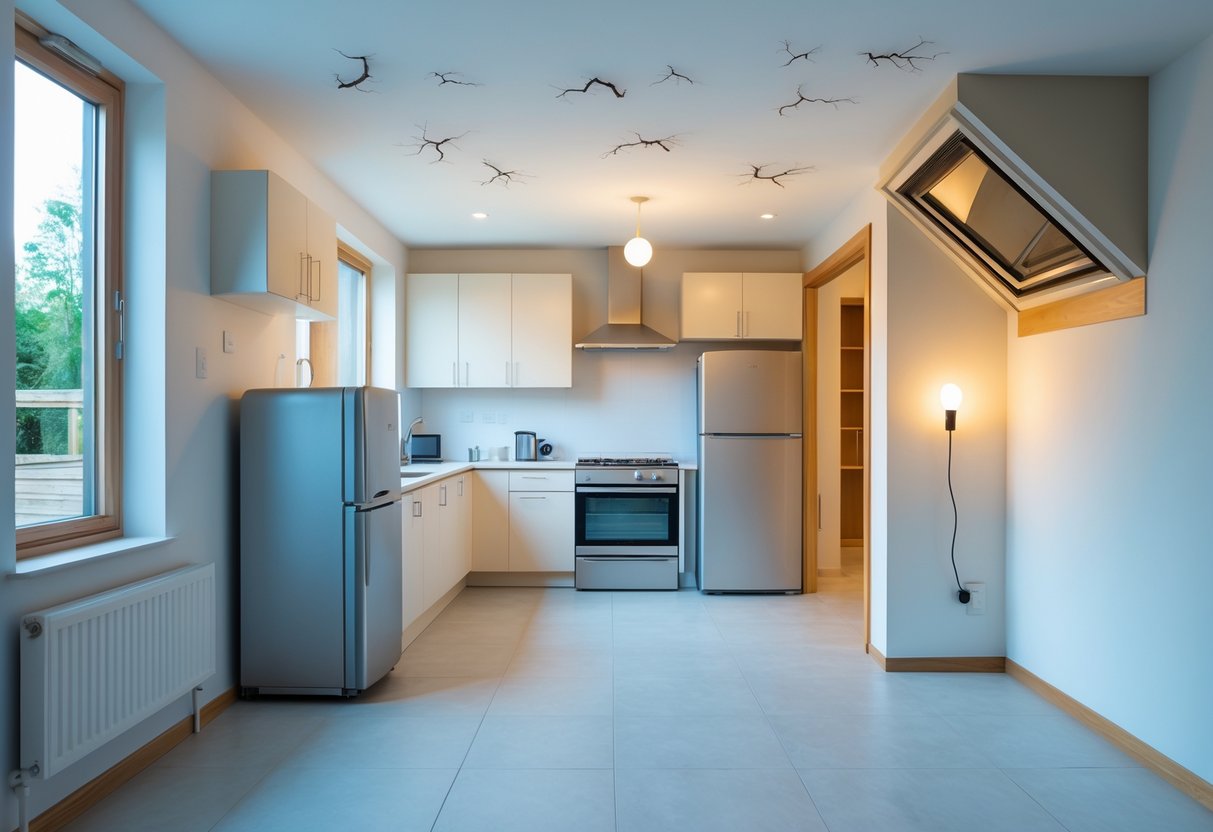
You might not realize how certain everyday items and habits contribute to energy waste in your home. Small changes in appliances, electronics, or lighting can make a noticeable difference in your energy bill and comfort.
Outdated Appliances
Older appliances often use more energy than newer models because they were built before efficiency standards improved. If your refrigerator, dishwasher, or washing machine is over 10 years old, it could be costing you a lot in extra electricity.
Look for ENERGY STAR® certifications when replacing appliances. These models are tested to use less energy without sacrificing performance.
Regular maintenance also matters. For example, cleaning refrigerator coils or regularly checking dishwasher seals helps keep your appliances running efficiently and reduces energy loss.
Phantom Loads from Electronics
Devices that are plugged in but not in use can still draw power—this is called a phantom load. Common culprits include phone chargers, TVs, computers, and game consoles left in standby mode or sleep settings.
You can reduce phantom energy waste by unplugging devices when not in use or using power strips with switches to cut off power entirely. Smart plugs can also automate this process.
Even small devices can add up; for example, keeping a laptop charger plugged in when not charging can waste energy over time without you noticing.
Inadequate Lighting Choices
Using inefficient lighting is a simple way energy slips away in your home. Incandescent bulbs, for instance, use much more electricity compared to LED or CFL bulbs for the same amount of light.
Switching to LED bulbs can cut lighting energy use by up to 75%. LEDs last longer too, saving you money on replacements.
Also, think about where you place lights and how many you use. Using dimmers, timers, or motion sensors can help ensure you only use light when and where you need it, further reducing waste.

As a mom of three busy boys, I know how chaotic life can get — but I’ve learned that it’s possible to create a beautiful, cozy home even with kids running around. That’s why I started Cultivated Comfort — to share practical tips, simple systems, and a little encouragement for parents like me who want to make their home feel warm, inviting, and effortlessly stylish. Whether it’s managing toy chaos, streamlining everyday routines, or finding little moments of calm, I’m here to help you simplify your space and create a sense of comfort.
But home is just part of the story. I’m also passionate about seeing the world and creating beautiful meals to share with the people I love. Through Cultivated Comfort, I share my journey of balancing motherhood with building a home that feels rich and peaceful — and finding joy in exploring new places and flavors along the way.