Growing herbs in pots can be a great way to manage space, control soil quality, and keep plants healthy. If you’ve ever struggled with herbs in your garden bed, containers might be the solution you didn’t know you needed.
Some herbs actually do better in pots than in the ground because they thrive with better drainage and easier access to sunlight. Whether you’re working with limited space or want to keep certain plants contained, understanding which herbs perform best in containers can make your gardening easier and more successful.
Mint – spreads aggressively in ground, pots keep it contained

Mint can quickly take over your garden if planted directly in the ground. Its roots spread underground, making it hard to control.
To avoid this, grow your mint in pots. Keeping it contained in a pot stops it from choking out other plants in your garden. You can even sink the pot into the ground for stability while still controlling its growth.
Oregano – roots spread fast, best in containers

If you plant oregano in the ground, it can take over your garden quickly. The roots spread fast, making it tricky to control.
Growing oregano in a pot helps keep it contained. Use a container at least 12 inches wide and deep to give it room to grow without escaping. This way, you get fresh oregano without worrying about it becoming a weed in your yard.
Basil – thrives in pots with good drainage
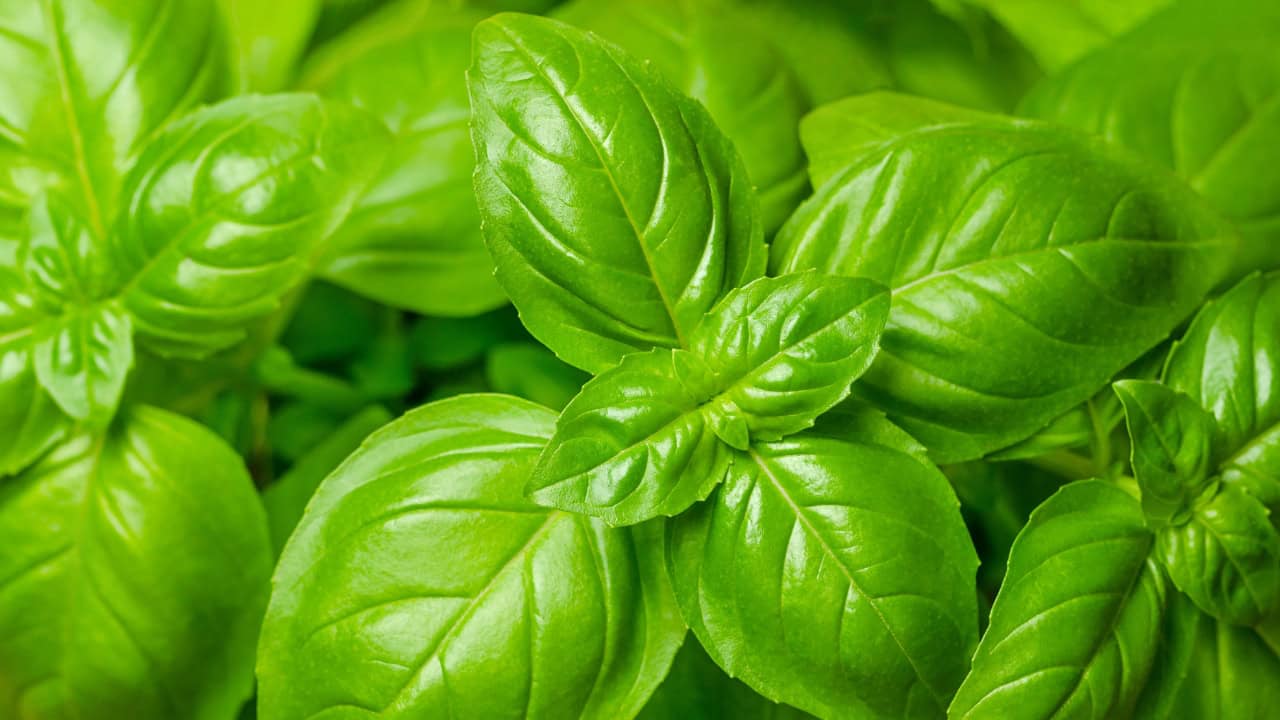
You’ll want to grow basil in a pot with well-drained soil to keep it happy. It prefers soil that’s moist but not soggy, so make sure your container has drainage holes.
Using soil that’s a bit sandy or enriched with organic compost helps basil thrive. Give your basil plenty of air circulation and avoid crowding it in a small pot for the best results.
Rosemary – prefers well-drained soil, pots work well

If you want to grow rosemary, using pots is a smart move. Rosemary needs well-drained soil, so containers help you control water better.
Choose a light, sandy soil mix and make sure your pot has good drainage holes. This way, your rosemary won’t get soggy roots. You can keep it happy with about a week between waterings. Growing rosemary in pots means you can move it for more sun or bring it indoors when it’s chilly outside.
Thyme – does great in pots with sun exposure

You’ll want to give your thyme plenty of direct sunlight—at least 6 hours a day works best.
A pot around 6 to 8 inches deep is perfect to keep your thyme happy and manageable. Thyme likes soil that dries out a bit between watering, so don’t overdo it. Full sun helps it stay flavorful and healthy.
Sage – pots prevent it from taking over garden beds

If you grow sage in the ground, it can spread quickly and crowd other plants. Using pots helps you keep it contained.
Potted sage still gets plenty of sun and drainage, which it loves. Plus, moving it around is easy if needed. Keeping sage in containers prevents it from taking over your garden beds and makes care simpler.
Lavender – likes dry soil, pots provide control
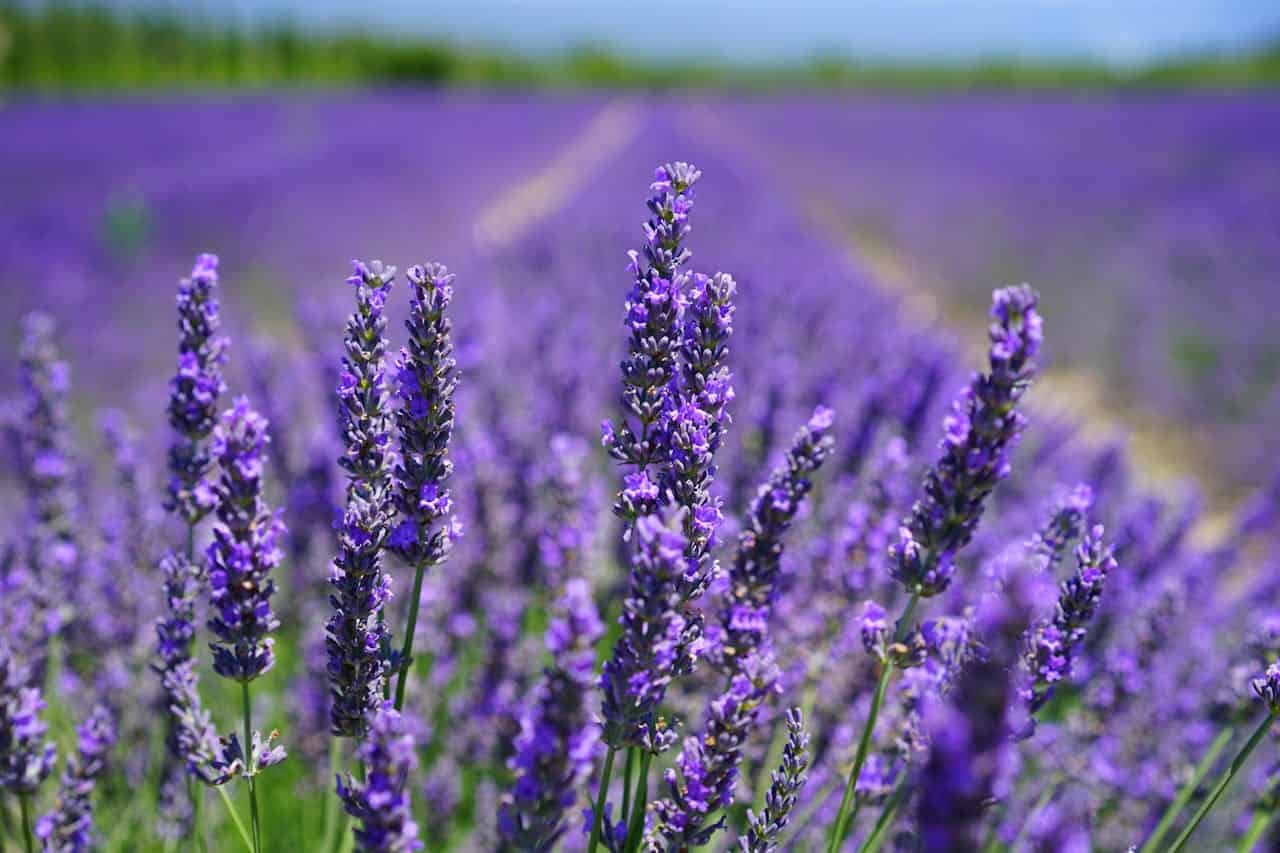
Lavender prefers dry, well-draining soil, which can be tricky in the ground. Growing it in pots lets you control moisture better and avoid soggy roots.
Using a sandy, alkaline soil mix helps keep lavender happy in containers. Pots also protect the plant if your garden soil stays too wet or heavy. Choose a container with good drainage holes to prevent water buildup. This way, your lavender can thrive without root rot.
Marjoram – grows well in pots, easier to manage

Marjoram is great for pots because you can easily control its growing conditions. You avoid it spreading too much, which can happen if planted directly in the ground.
It’s a low-maintenance herb that thrives in full sun and well-drained soil. Growing marjoram in containers also lets you move it around to catch the best light or bring it indoors if needed.
Lemon thyme – container friendly and compact

You’ll find lemon thyme is great for small spaces because it stays low and spreads out like a little mat. It does well in pots since it likes well-draining soil and doesn’t need much room to grow.
Keep it near a sunny window or on your patio for easy access when cooking. Its fresh lemon scent brightens up dishes and adds a pop of color to your container garden.
Chives – pot growth keeps them tidy

When you grow chives in pots, they stay neat and don’t spread everywhere like they can in the ground. A container gives you control over their size and keeps things organized.
Choose a pot that’s at least 7-12 inches deep so the roots have plenty of room. This also helps keep the soil moist, which chives love. Growing chives in pots makes it easy to move them around for sunlight or convenience.
Parsley – grows healthy in pots with enough water

You can grow parsley easily in pots, whether it’s a small container or a larger planter. Make sure your pot is deep enough to accommodate its taproot.
Parsley needs consistent watering to stay healthy but avoid waterlogging the soil. It thrives indoors or on your patio as long as it gets enough light and moisture.
Chamomile – pots control its spread

Chamomile can spread quite a bit if planted directly in your garden. Using pots keeps it contained so it doesn’t take over your space.
You’ll want a container at least 6 inches deep with good drainage. Lighter soil works best when growing chamomile in pots. This method lets you enjoy fresh chamomile without worrying about it crowding out other plants.
Cilantro – prefers cooler container environments

Cilantro likes it cool, so growing it in a pot helps keep the roots from warming up too much. You can move your container to a shadier spot during hot days to prevent bolting.
Pick a pot that’s deep and wide enough with well-drained soil, and plant during spring or fall when temperatures are milder.
Italian parsley – pots offer better growth conditions

Growing Italian parsley in pots can help you control soil quality and moisture better. This herb prefers well-drained soil, and containers make it easier to avoid overwatering.
You can also move your pots to catch the right amount of sunlight. Italian flat-leaf parsley handles heat better when you manage its environment closely in a pot.
Savory – pots limit aggressive spreading

Savory is a great herb to grow in pots because it tends to spread quickly in the ground. Keeping it in a container helps control its growth and prevents it from taking over your garden.
You get to enjoy its strong flavor without worrying about it crowding other plants. Plus, pots make it easy to move savory to the perfect spot for sunlight and care. Growing savory in pots is an easy way to keep it manageable.
Flat-leaf parsley – grows nicely in pots

You’ll find flat-leaf parsley does really well in containers. It likes rich, moist soil and enough sunlight, but it also tolerates a bit of shade.
Growing it in a pot means you can move it around to catch the best light or avoid extreme heat. It’s perfect for patios, balconies, or even a sunny windowsill.
Dill – pots help with root management

Dill has a long taproot that needs space to grow deep. Using pots at least 12 inches deep helps you manage this root system better.
Growing dill in containers also keeps it from spreading too much, which can happen if planted directly in the ground.
You’ll find it easier to control soil quality and moisture levels in a pot, giving your dill a good home to thrive.
Peppermint – containers keep it from overtaking spaces
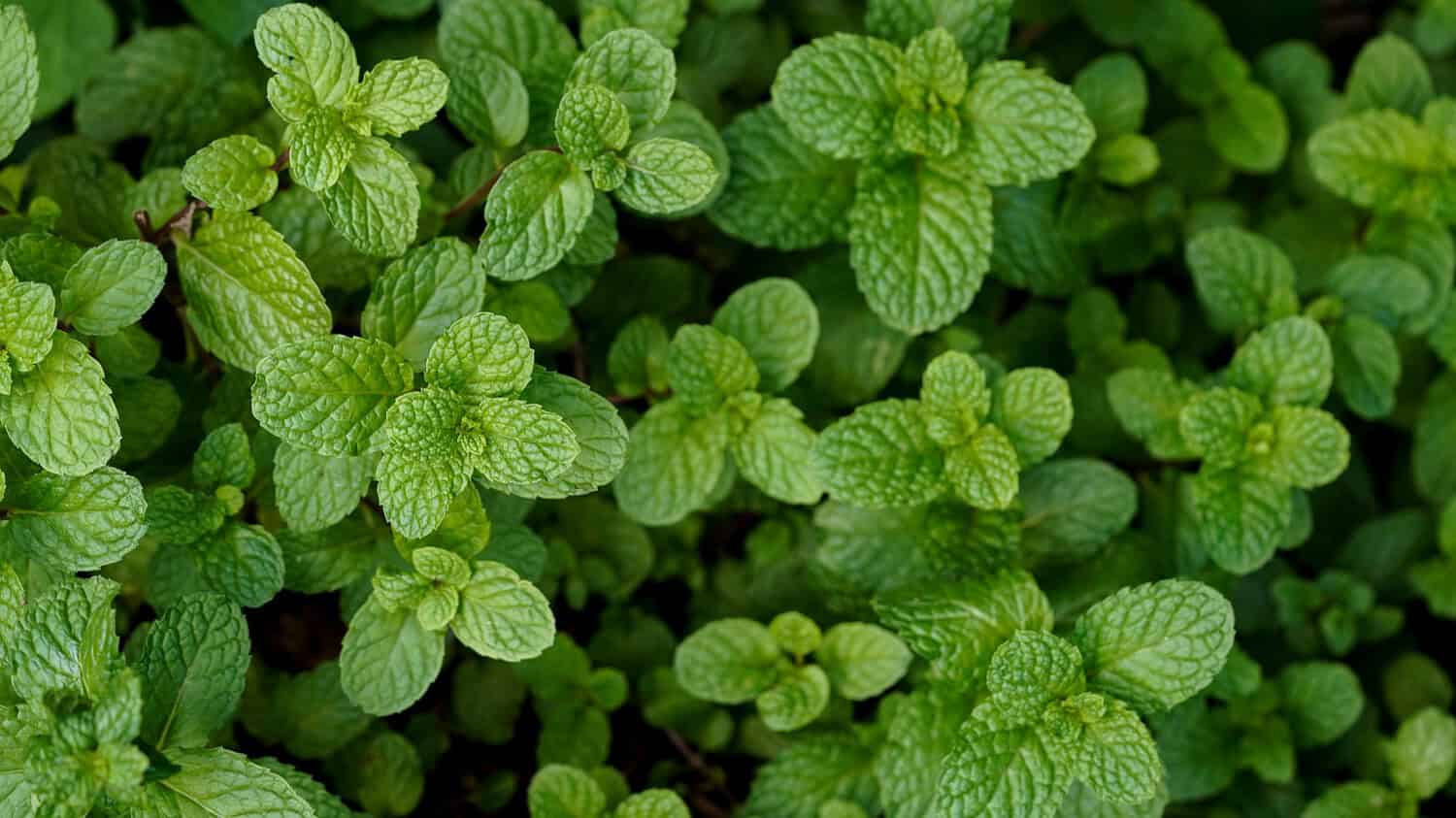
If you grow peppermint in the ground, it can quickly spread and take over your garden. Using containers slows down its growth and stops it from invading other plants.
You’ll want a pot that’s at least 18 inches wide to give it enough room. This way, you enjoy fresh peppermint without worrying about it sneaking into every corner of your yard.

As a mom of three busy boys, I know how chaotic life can get — but I’ve learned that it’s possible to create a beautiful, cozy home even with kids running around. That’s why I started Cultivated Comfort — to share practical tips, simple systems, and a little encouragement for parents like me who want to make their home feel warm, inviting, and effortlessly stylish. Whether it’s managing toy chaos, streamlining everyday routines, or finding little moments of calm, I’m here to help you simplify your space and create a sense of comfort.
But home is just part of the story. I’m also passionate about seeing the world and creating beautiful meals to share with the people I love. Through Cultivated Comfort, I share my journey of balancing motherhood with building a home that feels rich and peaceful — and finding joy in exploring new places and flavors along the way.