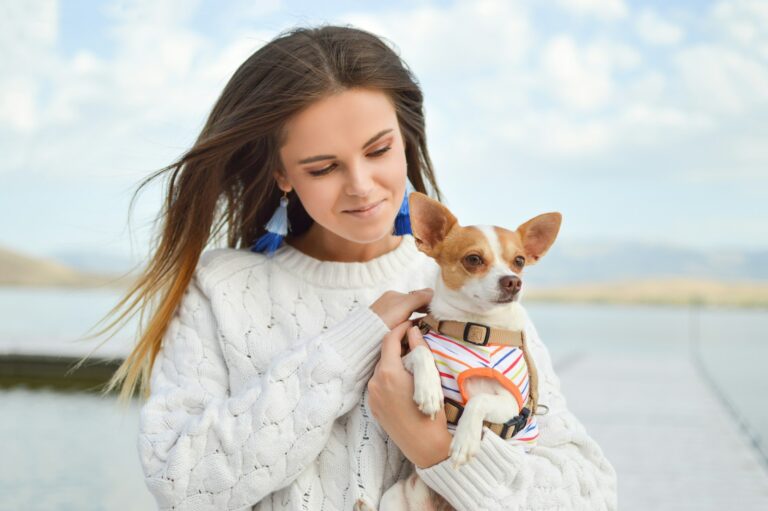
When taking your beloved dog out into the world, you may have noticed that they sometimes act a bit nervous or anxious. Whether it’s the loud sounds of the city, the hustle and bustle of people, or unfamiliar sights and smells, various factors can cause our furry friends to feel uneasy in public. If you’ve found yourself wondering why your dog seems to be on edge during outings, know that you’re not alone in this experience. Many dog owners share your concerns, and it’s completely valid to feel frustrated when your pet struggles to feel comfortable in social settings.
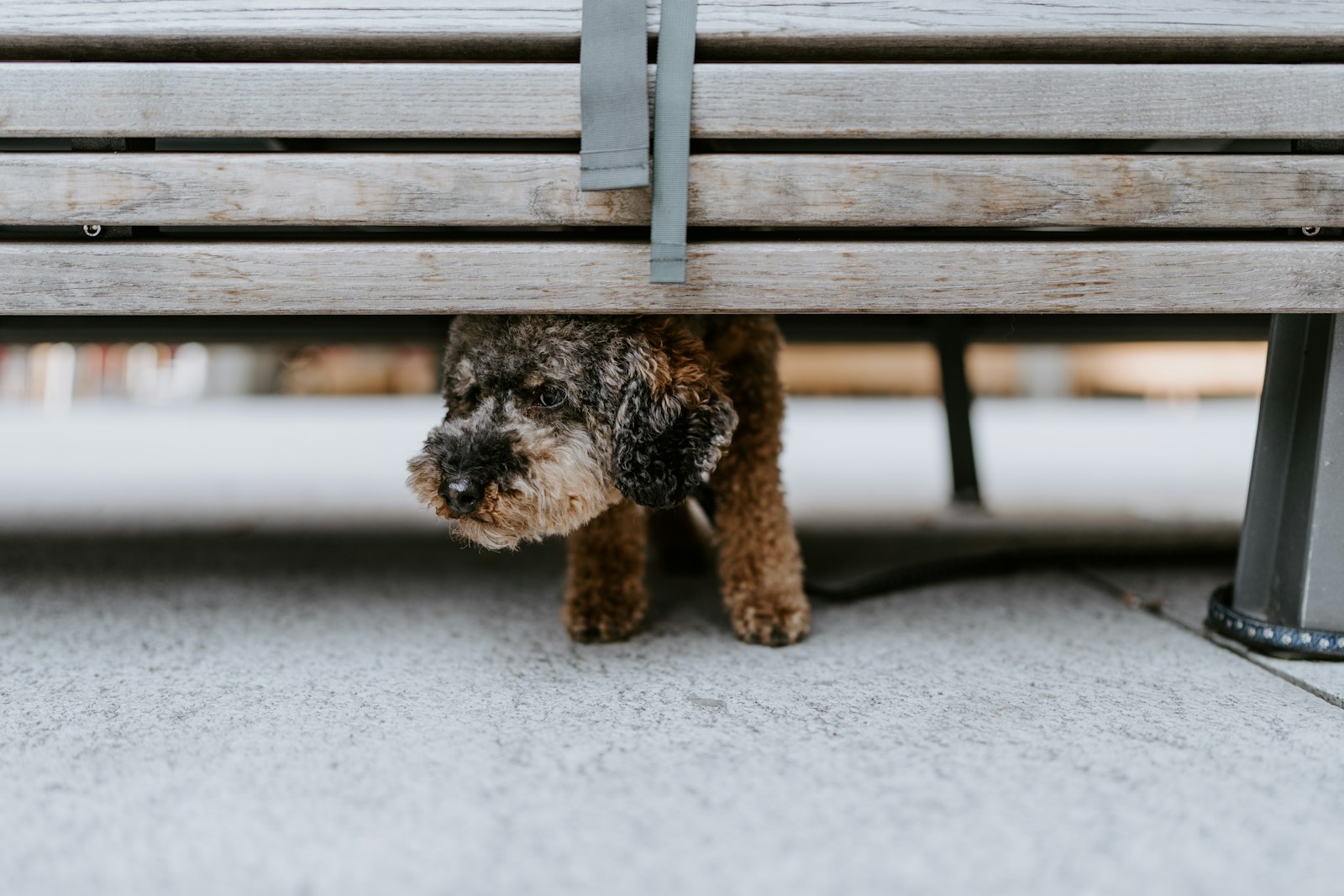
Understanding what makes dogs nervous is crucial not just for their well-being, but also for your peace of mind as an owner. Creating a safe and enjoyable experience for your dog involves setting boundaries, respecting their needs, and communicating effectively. By addressing the sources of anxiety, you can help your dog feel more secure and confident during those public excursions.
Identify Loud Noises
One of the most common triggers for dog anxiety in public is loud noises. This includes everything from traffic sounds and sirens to loud conversations and music. Dogs have sensitive hearing, and these unexpected sounds can be startling.
What You Should Do:
Try to observe your dog’s reactions to particular noises. If you notice that certain sounds cause them to flinch or become agitated, you can work on desensitizing them to those noises through gradual exposure in a controlled environment.
Why It Works:
Desensitization teaches your dog that these sounds aren’t threats, helping them to feel more secure over time.
Empowering Note:
By being proactive about this issue, you’re taking a significant step toward helping your dog feel more relaxed and confident in public.
Manage Crowds and Close Encounters
Crowds can be overwhelming for dogs, especially if they are not used to being around many people at once. The close proximity of strangers can lead to feelings of fear or anxiety.
What You Should Do:
Choose less crowded times for your outings at parks or markets, or consider walking your dog during quieter hours. If you encounter a crowd, create space for your dog by moving to the side and allowing them to observe from a distance.
Why It Works:
By avoiding overwhelming situations, you can help your dog build confidence at their own pace, making it easier for them to engage positively with the world around them.
Empowering Note:
You have the ability to control your dog’s environment, and this can make all the difference in their comfort level.
Recognize Unfamiliar Sights and Smells
Dogs experience the world through their senses, and unfamiliar sights and smells can be disorienting and even frightening for them. This includes everything from strange animals to unfamiliar people or objects.
What You Should Do:
Introduce your dog to new environments gradually. Allow them to explore at their own pace, rewarding them with treats and praise for calm behavior in new situations.
Why It Works:
Positive reinforcement helps your dog associate new experiences with good outcomes, reducing their fear and anxiety over time.
Empowering Note:
Your patience and encouragement can help your dog transform their anxiety into curiosity and confidence.
Avoid Overstimulation
In public spaces, it’s easy to inadvertently overwhelm your dog with too much stimulation—loud noises, crowds, and new experiences all at once can be a recipe for stress.
What You Should Do:
Keep outings short and sweet, especially in busy areas. Gradually increase the duration and complexity of your outings as your dog becomes more accustomed to various stimuli.
Why It Works:
This approach allows your dog to build tolerance and acclimatize to new environments without becoming overwhelmed.
Empowering Note:
You’re doing your best to ensure your dog’s comfort, and that’s an act of love that will pay off in their happiness.
Create a Safe Space
Dogs feel more secure when they have a designated safe space to retreat to when they feel nervous. This could be a specific area in your home or a particular spot in your car during outings.
What You Should Do:
Establish a cozy crate or a designated corner in your home that your dog can access whenever they feel overwhelmed. Make it inviting with their favorite blankets and toys.
Why It Works:
Having a safe space allows your dog to retreat when they need a break, helping them to manage their anxiety more effectively.
Empowering Note:
By providing your dog with a sanctuary, you show them that it’s okay to take a step back when they need to recharge.
Closing Thoughts
Remember, the journey to help your dog feel comfortable in public can take time, but it is indeed possible. With patience and consistent effort, you can create a more enjoyable experience for both you and your furry friend. Keep in mind that every small step counts, and your dedication to their well-being will lead to positive changes. S
More from Cultivated Comfort:
- 7 Vintage Home Items From the ’60s That Are Collectors’ Dream Finds
- 7 Vintage Home Goods That Became Collectors’ Gold
- 7 Fast-Food Chains That Changed for the Worse
- 7 Frozen Dinners That Were Better Back in the Day

As a mom of three busy boys, I know how chaotic life can get — but I’ve learned that it’s possible to create a beautiful, cozy home even with kids running around. That’s why I started Cultivated Comfort — to share practical tips, simple systems, and a little encouragement for parents like me who want to make their home feel warm, inviting, and effortlessly stylish. Whether it’s managing toy chaos, streamlining everyday routines, or finding little moments of calm, I’m here to help you simplify your space and create a sense of comfort.
But home is just part of the story. I’m also passionate about seeing the world and creating beautiful meals to share with the people I love. Through Cultivated Comfort, I share my journey of balancing motherhood with building a home that feels rich and peaceful — and finding joy in exploring new places and flavors along the way.