A recent study highlights the contrast between Baby Boomers’ home environments and those of younger generations, revealing five key innovations that contribute to a more peaceful atmosphere in modern homes. This disparity affects not only the quality of life for individuals but also influences broader trends in home design and lifestyle choices. As the world continues to evolve, understanding these elements can help improve living spaces for all age groups.
1. Smart Home Technology
Smart home technology has revolutionized how people interact with their living spaces. Devices such as smart thermostats, lighting systems, and security cameras allow homeowners to control their environments remotely, promoting a sense of security and comfort. For Boomers, the absence of such technology meant relying on manual adjustments, which could lead to inconsistencies in home energy management and safety.
Modern smart home systems can also integrate with smartphones and voice-activated assistants, making it easier for younger generations to customize their environments. This level of control not only enhances comfort but also contributes to a more peaceful home by reducing stressors associated with home maintenance and security concerns.
2. Noise-Canceling Technology
In an era where noise pollution is a growing concern, noise-canceling technologies have become essential for creating serene living spaces. Younger generations benefit from advancements in soundproofing materials and noise-canceling devices, which help to minimize distractions and promote relaxation. Boomers, on the other hand, often lived in homes without these modern solutions, leading to increased stress levels from environmental noise.
With soundproof windows, acoustic panels, and noise-canceling headphones, today’s homeowners can enjoy a tranquil environment, free from the disruptions of urban living. This technology not only enhances personal peace but also supports better mental health by allowing individuals to escape the constant barrage of sound that can be overwhelming.
3. Open Floor Plans
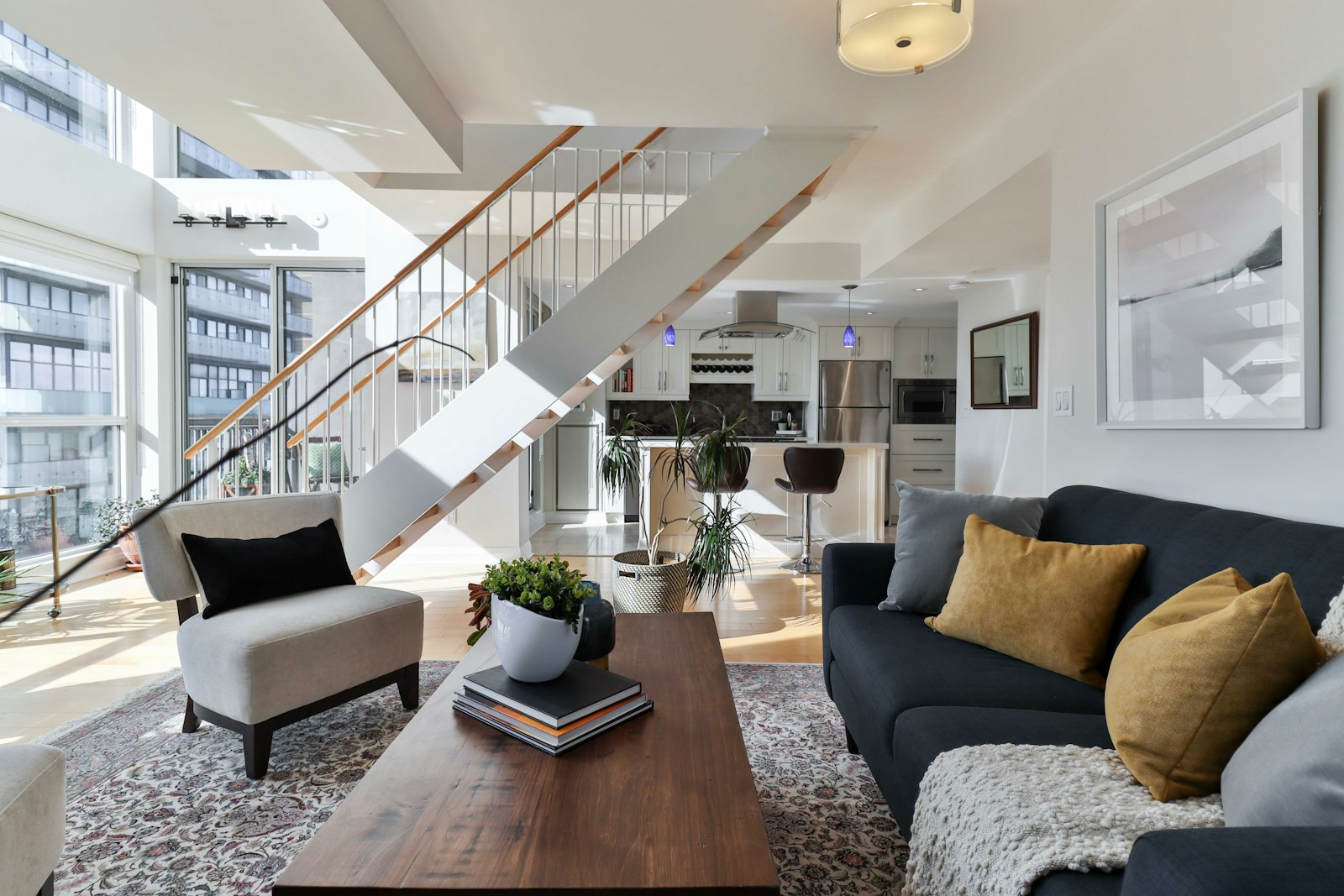
The design of living spaces has evolved significantly, with open floor plans gaining popularity among younger homeowners. This layout fosters a sense of community and flow, allowing for easier interaction and a more relaxed atmosphere. In contrast, many Boomers grew up in homes with segmented rooms, which could create barriers to communication and connection.
Open floor plans encourage natural light and create a spacious feel, contributing to a more inviting and peaceful home environment. This design trend not only suits modern lifestyles but also reflects a shift toward valuing togetherness and openness in personal spaces, enhancing the overall quality of life for residents.
4. Mental Wellness Spaces
Today’s homes often incorporate designated areas for mental wellness, such as meditation rooms, yoga spaces, or quiet corners for reading. These spaces are designed to promote relaxation, mindfulness, and overall well-being. Boomers, however, typically did not prioritize such dedicated areas in their homes, often relegating relaxation to multi-use spaces that were not specifically designed for tranquility.
The rise in mental health awareness has prompted younger generations to create environments that specifically cater to mental wellness. By integrating spaces that encourage self-care and mindfulness, homeowners can cultivate a serene atmosphere that supports emotional health and reduces anxiety, a luxury that many Boomers did not experience in their homes.
5. Eco-Friendly Features
As environmental consciousness grows, many modern homes are being designed with eco-friendly features that enhance both sustainability and peace of mind. Innovations such as energy-efficient appliances, solar panels, and sustainable materials contribute to a healthier living environment. For Boomers, eco-friendly options were not as widely available or understood, leading to a disconnect from the benefits of sustainable living.
Incorporating eco-friendly features not only reduces the carbon footprint but also promotes a sense of responsibility and connection to the environment. This shift toward sustainability can enhance the peacefulness of a home, as homeowners feel they are contributing positively to the world around them. Additionally, eco-friendly homes often lead to lower utility bills, further contributing to residents’ overall sense of well-being.
Conclusion
The differences between Baby Boomers’ homes and those of younger generations highlight the significant impact of modern innovations on creating peaceful living environments. From smart home technology to dedicated mental wellness spaces, these advancements enhance comfort and tranquility in ways that were not available to earlier generations. Understanding these elements can inspire Boomers and all homeowners to embrace change and improve their living conditions, ultimately leading to a more peaceful and fulfilling life.

As a mom of three busy boys, I know how chaotic life can get — but I’ve learned that it’s possible to create a beautiful, cozy home even with kids running around. That’s why I started Cultivated Comfort — to share practical tips, simple systems, and a little encouragement for parents like me who want to make their home feel warm, inviting, and effortlessly stylish. Whether it’s managing toy chaos, streamlining everyday routines, or finding little moments of calm, I’m here to help you simplify your space and create a sense of comfort.
But home is just part of the story. I’m also passionate about seeing the world and creating beautiful meals to share with the people I love. Through Cultivated Comfort, I share my journey of balancing motherhood with building a home that feels rich and peaceful — and finding joy in exploring new places and flavors along the way.