
In social circles where rivalry brews, recognizing the telltale signs of competitive friendships is essential for maintaining harmony and understanding dynamics. This article explores five distinct traits that competitive friends often exhibit, affecting not only their relationships but also the overall atmosphere within a group. Understanding these traits can help individuals navigate their friendships more effectively, ensuring that competition remains healthy and does not overshadow camaraderie.
1. Constant Comparison
One of the most noticeable traits of competitive friends is their tendency to engage in constant comparison. Whether it’s about job promotions, academic achievements, or social media popularity, these individuals often assess their worth based on how they stack up against their peers. This behavior can manifest in seemingly innocent conversations where a competitive friend might casually mention their accomplishments in response to someone else’s achievements, inadvertently shifting the focus to themselves.
This habit not only reflects a competitive nature but can also create tension within the friendship. Friends may feel undermined or discouraged, leading to feelings of inadequacy. Recognizing this trait can be the first step in addressing competitiveness before it becomes detrimental to the relationship.
2. Subtle Sabotage
Competitive friends sometimes resort to subtle sabotage, whether intentional or not. This can include undermining a friend’s confidence by downplaying their achievements or providing unsolicited critical feedback. For example, if a friend shares a new project they are excited about, a competitive friend might respond with skepticism or highlight past failures, which can diminish enthusiasm and motivation.
Such actions can create an environment of distrust, making it hard for friends to celebrate each other’s successes genuinely. Recognizing this trait is crucial; friends should foster an atmosphere where support and encouragement take precedence over rivalry.
3. Overemphasis on Winning
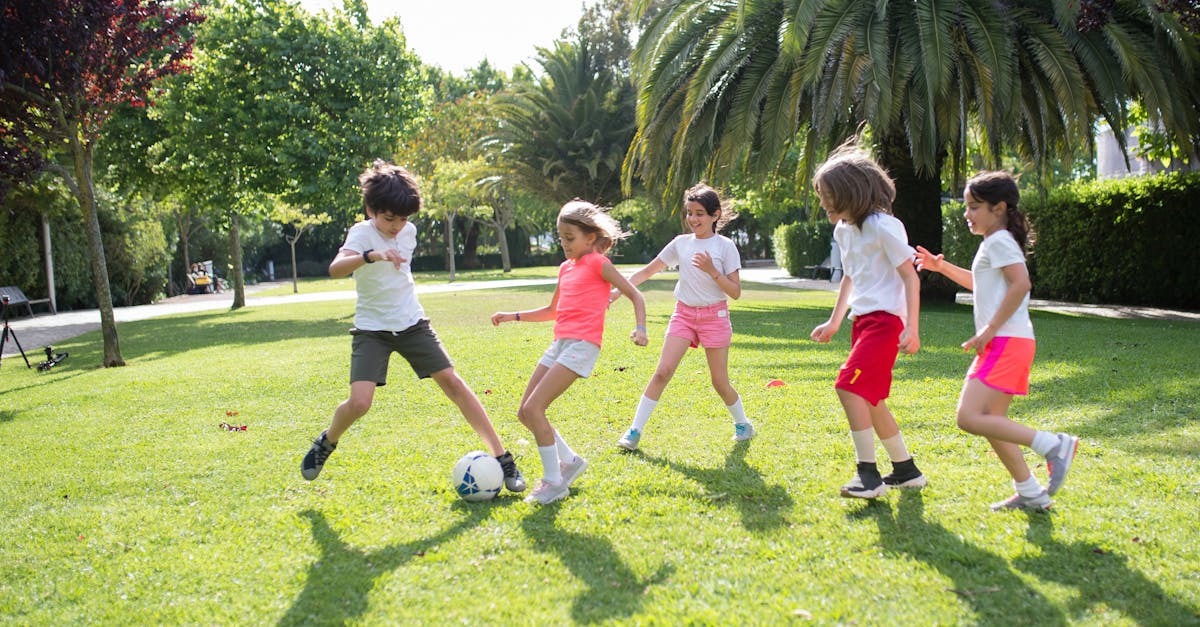
Another prominent trait of competitive friends is their overemphasis on winning, often viewing friendships through the lens of competition. This perspective can lead to a mindset where one’s self-worth is tied to their ability to outperform others, making it difficult to enjoy shared activities. For instance, during social games or team sports, a competitive friend may become overly aggressive or focused on victory rather than collaboration and fun.
This fixation on winning can detract from the joy of the activity and strain relationships. Friends may feel pressured to compete, rather than enjoying the experience together, which can ultimately lead to resentment or withdrawal from social interactions.
4. Inability to Accept Defeat
Competitive friends often struggle with accepting defeat, which is another trait that can be difficult to overlook. When faced with loss—be it in a game, a discussion, or a professional setting—these friends may react poorly, displaying frustration or anger. This inability to handle setbacks gracefully can lead to awkward situations, where their emotional responses overshadow the friendship.
Such reactions not only affect their personal well-being but can also alienate friends who may feel uncomfortable or burdened by their friend’s intense emotional responses. Understanding this trait can encourage competitive individuals to work on their resilience and develop healthier coping mechanisms for dealing with loss.
5. Conditional Support
Lastly, a significant trait of competitive friends is their tendency to offer conditional support. This behavior often manifests as encouragement and enthusiasm only when a friend’s goals align with their own competitive nature. For instance, a competitive friend may cheer for another’s success but only if it doesn’t threaten their standing or achievements. This selective support can make friends feel undervalued and unimportant when they pursue their own interests.
This conditional approach to support can erode trust and create a sense of competition that overshadows the friendship. Genuine friendships thrive on unconditional support, where individuals can celebrate each other’s victories without fear of competition. Understanding this trait allows friends to communicate openly about their needs and expectations, fostering a healthier dynamic.
Conclusion
Recognizing the traits of competitive friends is essential for fostering healthy relationships and maintaining a positive social environment. The behaviors of constant comparison, subtle sabotage, an overemphasis on winning, inability to accept defeat, and conditional support can significantly impact friendships. By understanding and addressing these traits, individuals can create a more supportive atmosphere where competition is balanced with encouragement and respect.
As friendships evolve, it’s crucial to remain aware of these dynamics and work towards nurturing relationships that prioritize mutual growth and support. Acknowledging these competitive traits can ultimately lead to stronger, more resilient friendships that celebrate each person’s unique journey.

As a mom of three busy boys, I know how chaotic life can get — but I’ve learned that it’s possible to create a beautiful, cozy home even with kids running around. That’s why I started Cultivated Comfort — to share practical tips, simple systems, and a little encouragement for parents like me who want to make their home feel warm, inviting, and effortlessly stylish. Whether it’s managing toy chaos, streamlining everyday routines, or finding little moments of calm, I’m here to help you simplify your space and create a sense of comfort.
But home is just part of the story. I’m also passionate about seeing the world and creating beautiful meals to share with the people I love. Through Cultivated Comfort, I share my journey of balancing motherhood with building a home that feels rich and peaceful — and finding joy in exploring new places and flavors along the way.