

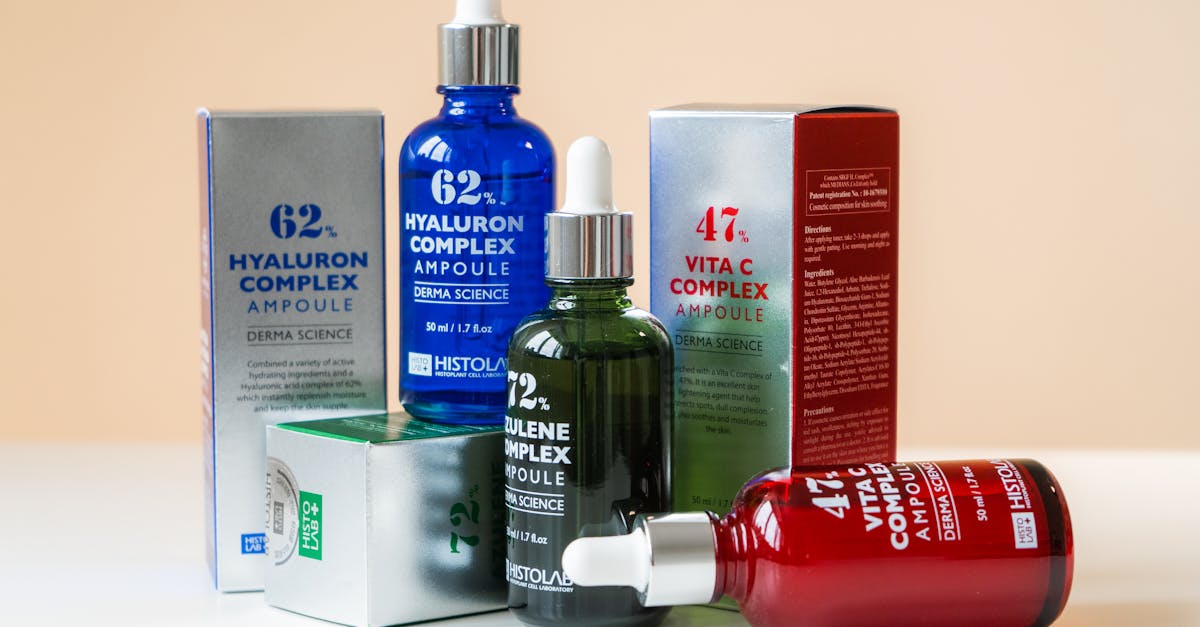

In a world increasingly driven by health and wellness trends, many consumers are easily swayed by products that boast scientific-sounding claims. However, some of these items lack the research and evidence to justify their effectiveness, potentially leading to wasted money and misplaced trust. This article highlights six health products that may sound credible but actually fall short of scientific validation, affecting countless individuals seeking genuine health solutions.
1. Detox Teas
Detox teas are marketed as quick fixes for cleansing the body of toxins, often promising weight loss and increased energy. However, many of these products contain little more than herbs and caffeine, which can lead to temporary water loss rather than actual fat loss. Scientific evidence supporting the idea that these teas can detoxify the body is scant, as the liver and kidneys naturally perform this function.
2. Miracle Weight Loss Supplements
Weight loss supplements that tout “miracle” results are prevalent in the market, often claiming to help consumers shed pounds without diet or exercise. Ingredients like Garcinia Cambogia and green coffee bean extract sound promising but lack substantial clinical support. Many studies have shown minimal to no weight loss benefits, indicating that these products might not only be ineffective but also potentially harmful when used without proper guidance.
3. Collagen Supplements
Collagen has gained popularity as a supplement for improving skin elasticity and joint health, often marketed with the promise of youthful skin. While collagen is a protein that is essential for skin structure, the body’s ability to utilize collagen from supplements is questionable. Research has shown mixed results, and many experts suggest focusing on a balanced diet rich in amino acids to support natural collagen production instead.
4. Alkaline Water
Alkaline water is often marketed as a way to neutralize acid in the body and improve health by claiming to enhance hydration and detoxification. Despite its appealing premise, there is no substantial scientific evidence to support the idea that alkaline water provides health benefits beyond regular hydration. The body regulates pH levels naturally, and drinking alkaline water may not offer any significant advantages over tap water.
5. Energy-Boosting Supplements
Energy-boosting supplements often contain a mix of vitamins, minerals, and herbal extracts, with claims that they can increase stamina and mental focus. While certain nutrients do play a role in energy metabolism, the effectiveness of these supplements is highly variable and often unproven. Many products contain excessive doses of vitamins or stimulants, which can lead to side effects rather than the promised energy boost.
6. Homeopathic Remedies
Homeopathy is based on the principle that “like cures like,” and its remedies often sound scientific, claiming to treat a wide range of ailments. However, numerous studies have shown that homeopathic products perform no better than a placebo. The lack of active ingredients in these remedies raises serious questions about their efficacy, making it essential for consumers to approach them with skepticism.
The Importance of Critical Thinking
As consumers navigate the crowded health product market, critical thinking is essential. Many products use complex terminology and scientific jargon to create the illusion of credibility. It is crucial for individuals to research claims, read scientific literature, and consult healthcare professionals before investing in health products.
Conclusion
While the pursuit of health and wellness is commendable, consumers must remain vigilant against misleading claims. Understanding that some products may sound scientific without backing from rigorous research is vital in making informed health choices. By focusing on evidence-based approaches and consulting qualified professionals, individuals can better navigate their wellness journeys without falling prey to questionable products.

As a mom of three busy boys, I know how chaotic life can get — but I’ve learned that it’s possible to create a beautiful, cozy home even with kids running around. That’s why I started Cultivated Comfort — to share practical tips, simple systems, and a little encouragement for parents like me who want to make their home feel warm, inviting, and effortlessly stylish. Whether it’s managing toy chaos, streamlining everyday routines, or finding little moments of calm, I’m here to help you simplify your space and create a sense of comfort.
But home is just part of the story. I’m also passionate about seeing the world and creating beautiful meals to share with the people I love. Through Cultivated Comfort, I share my journey of balancing motherhood with building a home that feels rich and peaceful — and finding joy in exploring new places and flavors along the way.


