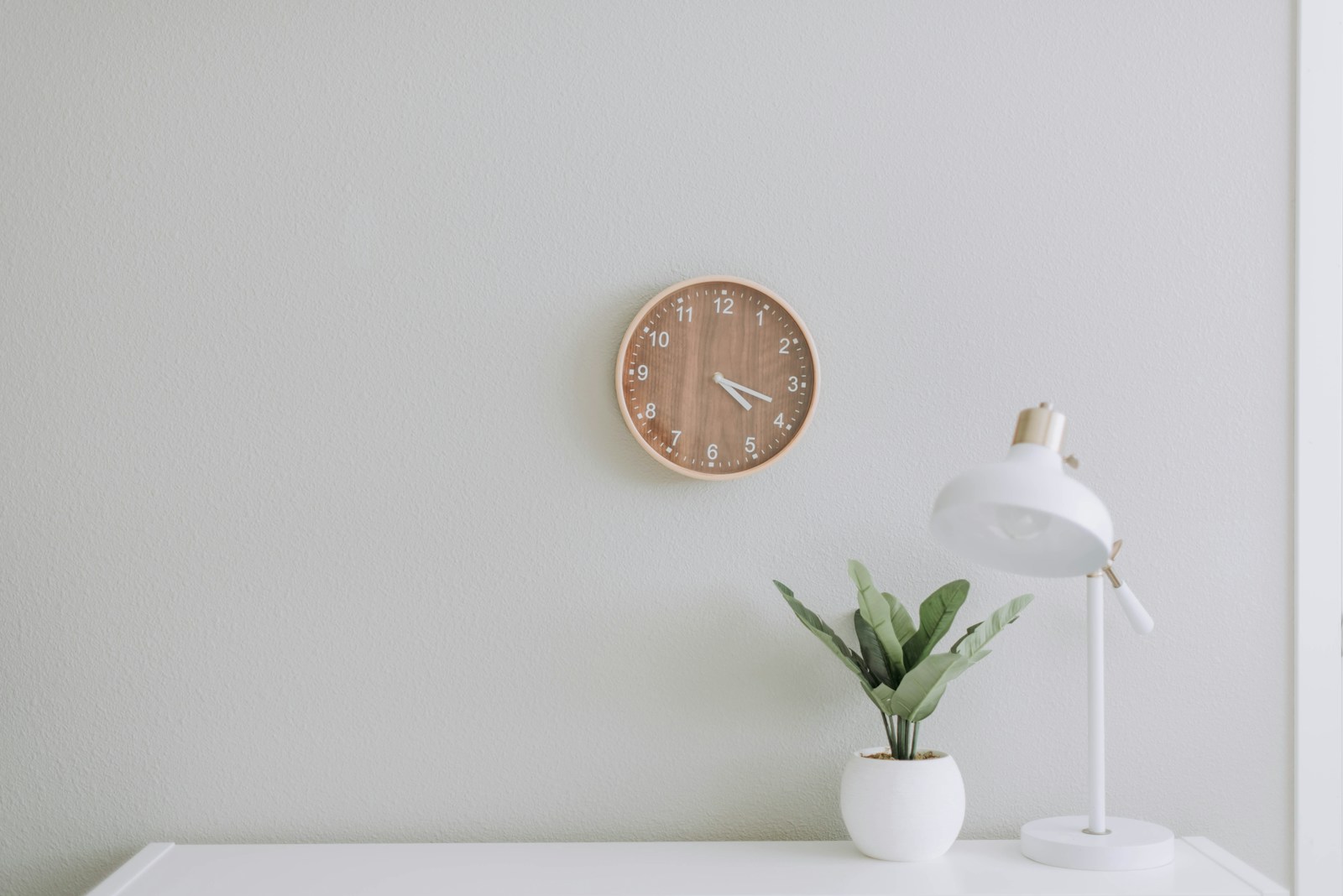
As homeowners look to personalize their spaces, certain design trends that have gained popularity in recent years often fall short in practicality and functionality. These trends can lead to disappointing experiences, affecting how people live in and enjoy their homes. Understanding which trends to avoid can save homeowners time, money, and frustration.
1. Open Concept Layouts
Open concept living spaces have been a hallmark of modern design, promising a seamless flow between rooms. However, many homeowners find that this layout can lead to noise issues, lack of privacy, and challenges in furniture arrangement. Families with young children or pets often struggle to manage distractions and maintain a sense of order in a space that lacks defined boundaries.
Moreover, the absence of walls can make it difficult to control temperature and lighting, leading to higher energy costs. As a result, many are reconsidering the practicality of open layouts in favor of more traditional, compartmentalized designs that better suit their lifestyles.
2. All-White Everything
The all-white aesthetic has been touted as a timeless design choice, but it often proves impractical for everyday living. While it creates a clean and serene environment, maintaining an all-white space can be a constant battle against stains and dirt. Families with children, pets, or busy lifestyles may find themselves overwhelmed by the upkeep required to keep white furnishings and finishes looking pristine.
Additionally, all-white spaces can feel stark and uninviting, lacking the warmth and character that come from incorporating color and texture. Homeowners are beginning to recognize the importance of balance, opting for a mix of hues and materials that enhance both beauty and livability.
3. Minimalism at All Costs
Minimalism has gained traction as a lifestyle choice, promoting decluttering and simplicity. However, the pressure to live minimally can lead to feelings of emptiness and discomfort in one’s home. Many people find that extreme minimalism can strip a space of personality and warmth, making it feel more like a gallery than a welcoming home.
Moreover, the trend can create a sense of guilt for those who enjoy collecting items or surrounding themselves with personal mementos. Instead of adhering to strict minimalist principles, homeowners are embracing a more balanced approach that allows for personal expression alongside functional living.
4. Faux Finishes
Faux finishes, such as faux wood or stone, have been popular for their cost-effectiveness and ease of installation. However, many homeowners quickly find that these alternatives often do not hold up to the wear and tear of daily life. Faux materials can chip, fade, or peel, leading to a need for replacement sooner than expected.
Additionally, the aesthetic appeal of faux finishes can feel less authentic when compared to the real thing, detracting from the overall ambiance of a home. As homeowners prioritize quality and longevity, they are increasingly opting for genuine materials that offer both durability and timeless beauty.
5. Smart Home Excess
The rise of smart home technology has transformed how we interact with our living spaces, but not all smart devices are practical or necessary. Many homeowners find themselves overwhelmed by the sheer number of gadgets and apps required to manage a smart home. Moreover, frequent software updates and compatibility issues can create frustration rather than convenience.
Additionally, the reliance on technology can lead to problems when devices malfunction or when internet connections fail. Instead of integrating every smart device available, many homeowners are choosing to adopt a more selective approach, focusing on technology that enhances their daily lives without complicating them.
6. Overly Trendy Color Schemes
While incorporating trendy colors can be an exciting way to refresh a space, going overboard can lead to regret. Color trends often change quickly, leaving homeowners with a dated look in just a few years. Bold colors may also create a sense of dissonance when it comes time to sell a home, as they may not appeal to potential buyers.
Instead of committing to trendy palettes, many are opting for timeless color choices that can withstand the test of time. Neutral colors with pops of accent hues allow homeowners to express their style without the risk of obsolescence, ensuring their spaces remain inviting and attractive for years to come.
Conclusion
Home design trends can be tempting, but as many homeowners have discovered, practicality often takes precedence over aesthetics. By understanding which trends may lead to frustration and dissatisfaction, individuals can make informed decisions that better suit their lifestyles and preferences. A thoughtful approach to home design ultimately results in spaces that are not only beautiful but also functional and welcoming.

As a mom of three busy boys, I know how chaotic life can get — but I’ve learned that it’s possible to create a beautiful, cozy home even with kids running around. That’s why I started Cultivated Comfort — to share practical tips, simple systems, and a little encouragement for parents like me who want to make their home feel warm, inviting, and effortlessly stylish. Whether it’s managing toy chaos, streamlining everyday routines, or finding little moments of calm, I’m here to help you simplify your space and create a sense of comfort.
But home is just part of the story. I’m also passionate about seeing the world and creating beautiful meals to share with the people I love. Through Cultivated Comfort, I share my journey of balancing motherhood with building a home that feels rich and peaceful — and finding joy in exploring new places and flavors along the way.