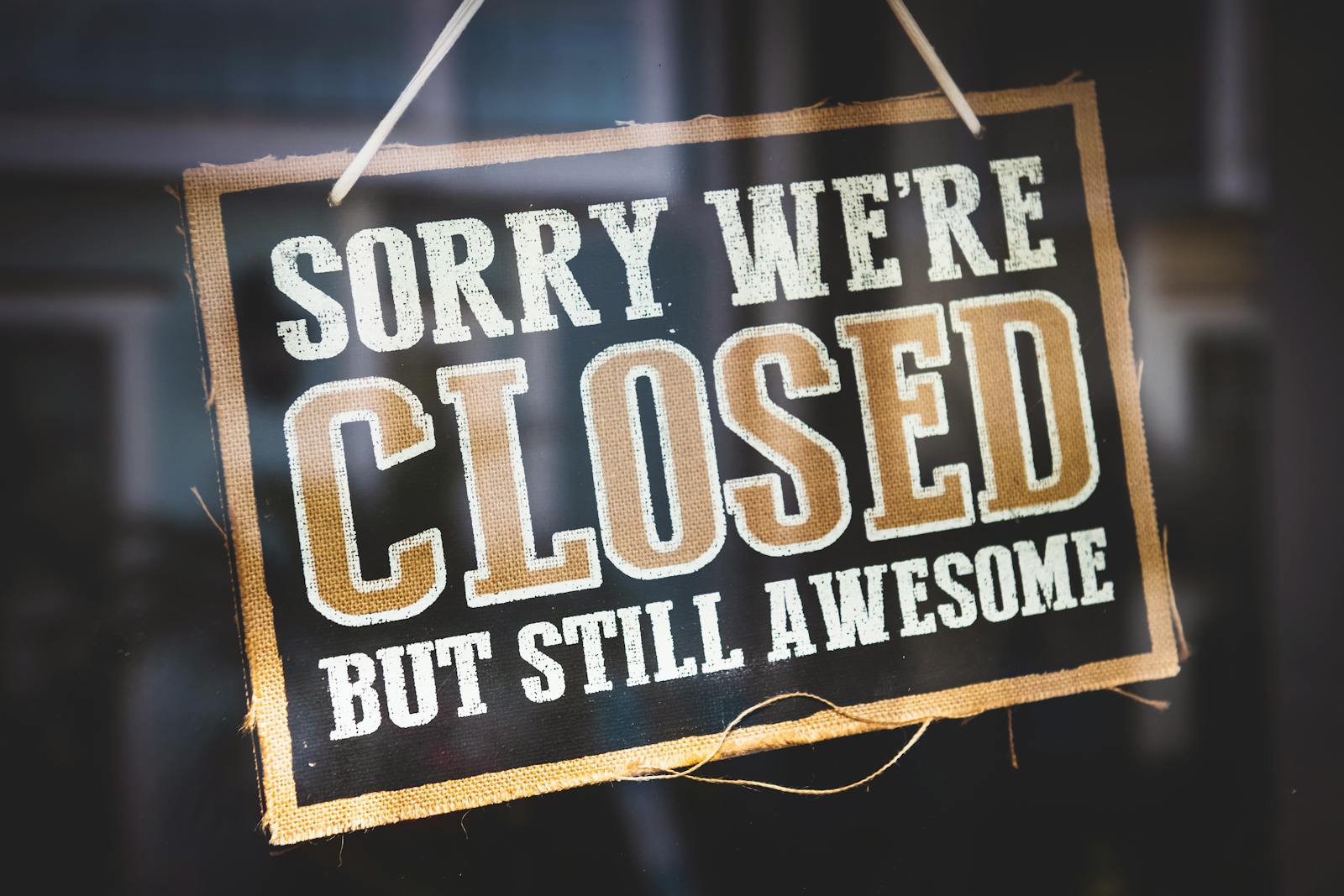
Public apologies can often serve as a tool for accountability, but in many cases, they have failed to address the underlying issues or restore trust. This article examines six notable public apologies that, despite their high-profile nature, resulted in little to no change in the situations they addressed, leaving impacted individuals and communities feeling unsatisfied.
1. United Airlines: “We Are Sorry” Incident
In April 2017, United Airlines found itself at the center of a media storm when a passenger was forcibly removed from an overbooked flight. The airline’s CEO, Oscar Munoz, issued a public apology, stating, “We are sorry for having to re-accommodate these customers.” Despite the apology, the incident sparked widespread outrage and highlighted ongoing issues with airline treatment of customers, leading to calls for more significant reforms in industry practices.
Even after Munoz’s statement, the airline faced backlash, and customer trust plummeted. The incident underscored the ineffectiveness of a simple apology when systemic issues remain unaddressed, leading to ongoing debates about passenger rights and airline policies.
2. Facebook: Cambridge Analytica Scandal
In 2018, Facebook CEO Mark Zuckerberg apologized to Congress and the public following revelations that the Cambridge Analytica scandal compromised the personal data of millions of users. Zuckerberg’s apology included promises to improve data privacy and security. However, critics argued that such statements were insufficient given the scale of the breach and Facebook’s history of mishandling user data.
The apology did little to quell concerns about privacy on the platform or restore faith among users. Subsequent incidents involving data breaches have further illustrated that an apology without substantive changes is often viewed as a mere public relations exercise rather than a genuine effort to correct wrongdoing.
3. BP: Deepwater Horizon Oil Spill
After the catastrophic Deepwater Horizon oil spill in 2010, BP’s then-CEO Tony Hayward issued a public apology, famously stating, “I’m sorry.” While the company committed to cleaning up the spill and compensating affected communities, many felt the efforts fell short. The environmental damage and the impact on local economies were immense, leading to ongoing resentment and calls for accountability that transcended the apology.
Years later, the consequences of the spill are still felt in the region, demonstrating that apologies can sometimes serve more as a band-aid than a solution. The incident raised questions about corporate responsibility and the effectiveness of apologies in the face of significant environmental disasters.
4. Harvey Weinstein: Acknowledgment of Misconduct
In the wake of numerous sexual assault allegations against film producer Harvey Weinstein in 2017, Weinstein issued a public apology, stating he had “caused a lot of pain.” His acknowledgment came too late for many victims who had already suffered trauma and loss due to his actions. While the apology sparked conversations about sexual harassment in Hollywood, it did not provide any real closure or justice for the individuals affected.
The #MeToo movement that followed highlighted the inadequacies of Weinstein’s apology. It illustrated that words alone cannot remedy the harm caused by systemic abuse, leaving many survivors seeking more than just an admission of guilt.
5. Volkswagen: Emissions Scandal
Volkswagen faced a major crisis in 2015 when it was revealed that the company had installed software in vehicles designed to cheat emissions tests. CEO Matthias Müller publicly apologized, stating that the company was “deeply sorry” for the breach of trust. However, the fallout from the scandal included billions in fines and a significant loss of consumer confidence, demonstrating that an apology was insufficient to repair the damage done.
Despite efforts to rectify the situation, including corporate restructuring and pledges to embrace sustainability, the initial breach of trust lingered. The scandal served as a reminder that public apologies often lack the ability to mend broken relationships between corporations and consumers, particularly when ethical practices are called into question.
6. Ellen DeGeneres: Workplace Toxicity Accusations
In 2020, talk show host Ellen DeGeneres faced backlash over allegations of a toxic workplace environment. Following the accusations, she issued a public apology, emphasizing her commitment to a positive work culture. However, many former employees reported that the apology fell short of addressing their concerns and experiences, leading to skepticism about the sincerity of her statements.

As a mom of three busy boys, I know how chaotic life can get — but I’ve learned that it’s possible to create a beautiful, cozy home even with kids running around. That’s why I started Cultivated Comfort — to share practical tips, simple systems, and a little encouragement for parents like me who want to make their home feel warm, inviting, and effortlessly stylish. Whether it’s managing toy chaos, streamlining everyday routines, or finding little moments of calm, I’m here to help you simplify your space and create a sense of comfort.
But home is just part of the story. I’m also passionate about seeing the world and creating beautiful meals to share with the people I love. Through Cultivated Comfort, I share my journey of balancing motherhood with building a home that feels rich and peaceful — and finding joy in exploring new places and flavors along the way.