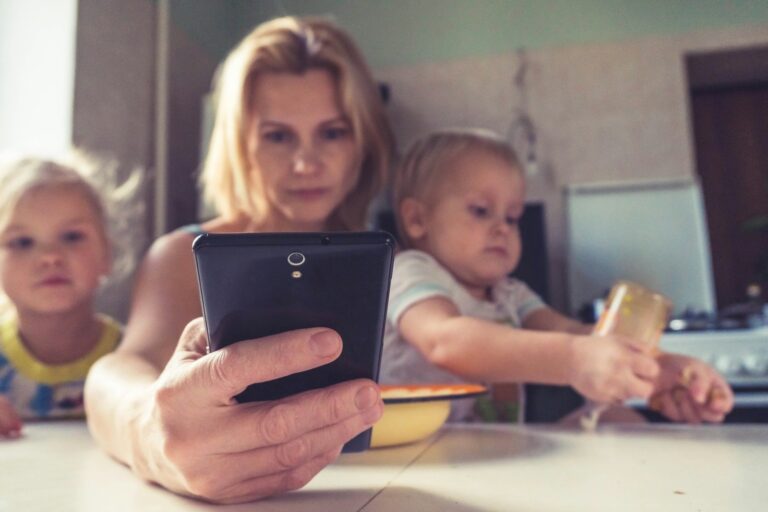
Relationships naturally have their ups and downs, but sometimes the distance between partners starts to feel less like a temporary phase and more like a permanent shift. When someone begins to pull away emotionally, the changes can be subtle at first, easy to dismiss as stress or busyness.
Recognizing the warning signs early can help someone understand what’s happening in their relationship before the emotional gap becomes too wide to bridge. From the way conversations start to feel different to changes in physical connection, emotional withdrawal often shows up in patterns that are hard to ignore once noticed.
These shifts don’t always mean the relationship is over, but they do signal that something has changed. Understanding what emotional distancing looks like helps people see their situation more clearly and decide how they want to respond.

They stop sharing their thoughts or dreams with you
A partner who used to talk about future plans or daily musings suddenly goes quiet about what’s on their mind. When someone starts keeping things to themselves, it often signals they’re protecting themselves from vulnerability or losing interest in the connection.
They might stop mentioning career aspirations, weekend ideas, or even small observations about their day. The conversations become surface-level, stripped of the deeper sharing that once defined the relationship. This emotional unavailability creates distance that feels alienating and painful.
Physical touch and affection become rare
When someone’s pulling away, they stop reaching out physically. Hugs feel stiff and forced when they happen at all. Hand-holding becomes a thing of the past.
Reduced affection shows up in small ways first. They might dodge a kiss or pull back from a cuddle on the couch. Even simple gestures like a pat on the shoulder disappear.
Their body language says what their words won’t. They create physical space between them, sitting further away or turning their body in another direction during conversations.
They get irritated over small things more easily.
When someone starts getting upset over small things, it often signals they’re pulling away emotionally. A partner who once brushed off minor inconveniences now snaps at trivial issues.
They might react more strongly than usual to a misplaced item or switch moods quickly over nothing. Their patience seems thinner than before. This irritability can leave the other person feeling confused about what changed in the relationship.
Conversations feel shallow or forced
When a partner starts pulling away, their communication style often shifts noticeably. Topics that once sparked deep discussions now get brief, surface-level responses. They might stick to safe subjects like the weather or daily logistics while avoiding anything meaningful.
When partners withdraw emotionally, conversations feel shorter and affection seems lighter. The natural flow disappears, replaced by awkward pauses and one-word answers. They’re physically present but mentally checked out, going through the motions without real engagement.
They avoid making future plans together.
When someone starts pulling away, conversations about future plans often disappear. They dodge questions about upcoming vacations or skip over mentions of next year’s holidays.
A partner who avoids talking about trips, projects, or even weekend plans may be creating emotional distance. The once-shared vision of a future together starts feeling one-sided. They become vague when the conversation turns to long-term goals or where the relationship is headed.
They seem emotionally distant even when you’re together.
Physical presence doesn’t always mean emotional availability. He sits across from her at dinner, but his mind feels miles away. She scrolls through her phone while he talks about his day.
Emotional distance can manifest even during shared moments. They’re there in body but checked out mentally. Conversations feel surface-level, lacking the depth they once had.
The connection that used to exist when they were in the same room has faded. It’s like talking to someone through glass—visible but unreachable.
More from Cultivated Comfort:
- 7 Vintage Home Items From the ’60s That Are Collectors’ Dream Finds
- 7 Vintage Home Goods That Became Collectors’ Gold
- 7 Fast-Food Chains That Changed for the Worse
- 7 Frozen Dinners That Were Better Back in the Day

As a mom of three busy boys, I know how chaotic life can get — but I’ve learned that it’s possible to create a beautiful, cozy home even with kids running around. That’s why I started Cultivated Comfort — to share practical tips, simple systems, and a little encouragement for parents like me who want to make their home feel warm, inviting, and effortlessly stylish. Whether it’s managing toy chaos, streamlining everyday routines, or finding little moments of calm, I’m here to help you simplify your space and create a sense of comfort.
But home is just part of the story. I’m also passionate about seeing the world and creating beautiful meals to share with the people I love. Through Cultivated Comfort, I share my journey of balancing motherhood with building a home that feels rich and peaceful — and finding joy in exploring new places and flavors along the way.