Are you sometimes left with a nagging feeling that your partner might be happier alone than being with you? This question is not only pertinent for your relationship’s health but also for your overall mental well-being. The authenticity of these feelings is generally based on real-world observations, expert opinions, and various social surveys. It is essential to understand your partner’s happiness quotient from time to time to ensure a healthy and rewarding relationship.
This article delivers an insightful list of signs that might indicate that your partner is happier when they are alone. Recognizing these signs can help you address relationship issues proactively and build a stronger bond with your partner. Let’s dive in.
Sign 1: They Spend More Time Alone
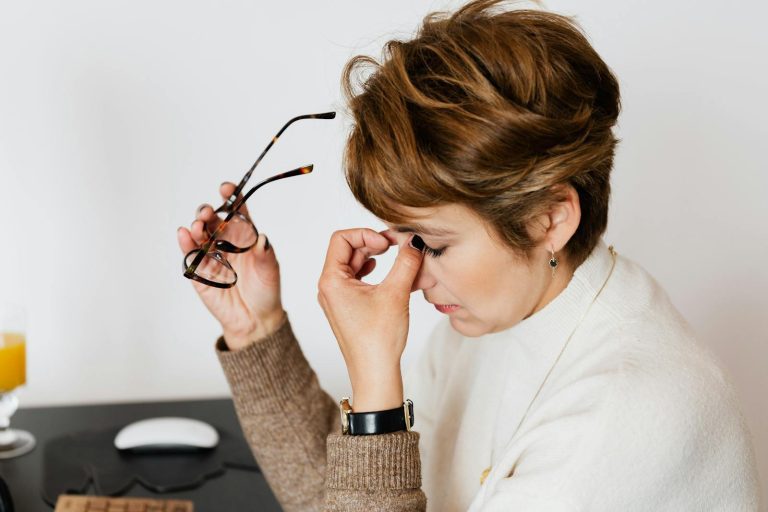
One of the most noticeable signs is when your partner spends more time alone than with you. It’s completely normal for people to enjoy their solitude and have some ‘me’ time. However, when this trend becomes consistent, it could signify that they derive more happiness in their solitude. This behavior is often overlooked, with many assuming that their partner is just busy or needs some space.
In today’s fast-paced world, where everyone is juggling multiple roles, spending quality time with your partner is crucial for a healthy relationship. If your partner is spending more time alone, it’s a sign that you need to initiate a conversation about your relationship dynamics.
Sign 2: Lack of Engagement in Conversations
Communication is the key to a healthy relationship. If your partner seems disinterested or unresponsive during conversations, it could mean they are happier when alone. They might seem distracted, give short responses, or not engage in the conversation at all. This sign is often overlooked, with many attributing it to stress or fatigue.
With the increasing awareness about mental health and emotional well-being, it’s important to recognize this sign and address it promptly. Lack of communication can lead to misunderstandings and create a rift in your relationship.
Sign 3: They Seem Happier When Alone
If your partner appears more cheerful, relaxed, or energetic when they are alone, it might indicate that they derive more happiness from their solitude. This could be a sign that they feel stressed or constrained in your presence. Many people overlook this sign, attributing their partner’s mood swings to work stress or personal issues.
In the current scenario, where stress and anxiety are prevalent, it’s crucial to notice this sign. Understanding your partner’s mood patterns can help you adapt and improve your relationship dynamics.
Sign 4: Lack of Physical Affection
Physical affection, like cuddling, holding hands, or a hug, is a key indicator of a healthy relationship. If your partner is avoiding physical contact or seems unresponsive to your affectionate gestures, it could mean they are more comfortable being alone. This sign is often misinterpreted as a temporary phase or a result of physical fatigue.
With the increasing importance of emotional intelligence in relationships, recognizing this sign is crucial. Lack of physical affection can lead to emotional detachment and create a distance in your relationship.
Sign 5: They Don’t Share Personal Thoughts or Feelings
Sharing personal thoughts and emotions is a significant aspect of a robust relationship. If your partner is reluctant to share their feelings or thoughts, it could mean they are more comfortable being alone. This sign is often overlooked, with many assuming their partner is just a private person.
In this era of openness and vulnerability, it’s important to notice this sign. Not sharing personal thoughts and feelings can lead to a lack of emotional intimacy and impact your relationship negatively.
Sign 6: They Don’t Make Future Plans with You
Making future plans together is a sign of commitment and security in a relationship. If your partner avoids making future plans or is vague about their future with you, it could indicate they are happier alone. This sign is often underestimated, with many assuming their partner is not a planner or is afraid of commitment.
In today’s world, where uncertainty is prevalent, recognizing this sign is important. Not making future plans can lead to a lack of security and stability in your relationship, causing stress and anxiety.

As a mom of three busy boys, I know how chaotic life can get — but I’ve learned that it’s possible to create a beautiful, cozy home even with kids running around. That’s why I started Cultivated Comfort — to share practical tips, simple systems, and a little encouragement for parents like me who want to make their home feel warm, inviting, and effortlessly stylish. Whether it’s managing toy chaos, streamlining everyday routines, or finding little moments of calm, I’m here to help you simplify your space and create a sense of comfort.
But home is just part of the story. I’m also passionate about seeing the world and creating beautiful meals to share with the people I love. Through Cultivated Comfort, I share my journey of balancing motherhood with building a home that feels rich and peaceful — and finding joy in exploring new places and flavors along the way.