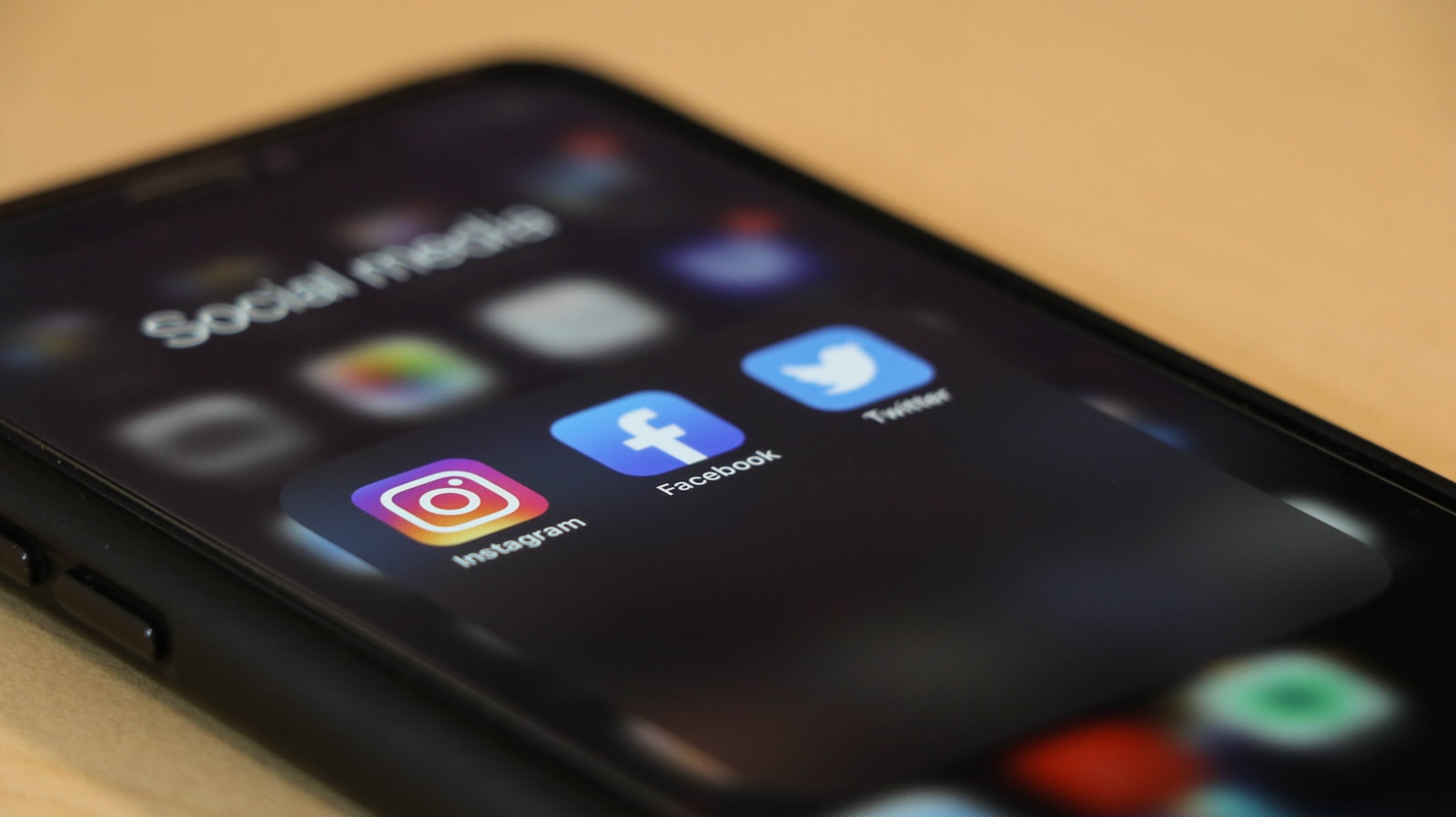
In recent years, social media has become a powerful tool for activism, but it has also been the breeding ground for outrage that often appears orchestrated rather than organic. This trend impacts public perception, brands, and individual reputations, raising questions about the authenticity of online outrage. Here are six notable instances where social media outrage seemed completely manufactured.
The Pepsi-Kendall Jenner Ad Controversy
In April 2017, Pepsi released an advertisement featuring Kendall Jenner that aimed to promote peace and unity. The commercial sparked immediate backlash, as many criticized it for trivializing serious social justice movements. Critics argued that the ad was a shallow appropriation of protest culture, and within hours, outrage flooded social media, leading to Pepsi’s decision to pull the advertisement. The rapidity of the backlash raised eyebrows, leading some to speculate whether the outrage had been amplified by orchestrated campaigns rather than genuine public sentiment.
The “Cancel” Culture of J.K. Rowling
Author J.K. Rowling found herself at the center of controversy in June 2020 after comments she made regarding transgender issues sparked outrage among some social media users. The backlash was swift, with calls for her books to be boycotted and her legacy questioned. However, the intensity of the outrage raised questions about whether it was a spontaneous reaction or a well-coordinated effort by specific activist groups. The discussion around Rowling has evolved, leading some to believe that the outrage was less about her statements and more about the broader ideological battle within the LGBTQ+ community.
Gina Carano’s Firing from “The Mandalorian”
In February 2021, actress Gina Carano was fired from Disney’s “The Mandalorian” following a series of controversial posts on social media. The immediate backlash against her comments on political issues sparked outrage from both sides of the political spectrum. However, many observers noted that the outrage seemed to be driven by existing political divisions rather than Carano’s statements themselves. This situation raised questions about how social media can be used to rally support for or against public figures, sometimes creating a manufactured outrage that overshadows the actual conversation.
The Ellen DeGeneres Show’s Toxic Workplace Allegations
In 2020, allegations of a toxic work environment on “The Ellen DeGeneres Show” led to a wave of social media outrage, with many users expressing their support for the alleged victims. The situation escalated quickly, with hashtags trending and various celebrities weighing in. However, the rapid spread of outrage seemed to lack depth, as many users appeared to be reacting to the narrative rather than the facts. This raises the question of whether the outrage was genuinely felt or if it was a case of social media users joining a trending topic without fully understanding the complexities involved.
Chick-fil-A’s Donation Controversy
Chick-fil-A has faced backlash over the years due to its donations to organizations perceived as anti-LGBTQ+. The controversy peaked in 2019 when social media users called for boycotts, leading to widespread outrage. However, many consumers voiced that the outrage felt manufactured, as their experiences with the restaurant chain were largely positive. Critics argued that the outrage was driven by a vocal minority and amplified by social media algorithms, creating a perception of widespread dissent that did not reflect the actual customer base.
The “Canceling” of Dr. Seuss
In March 2021, news emerged that six Dr. Seuss books would stop being published due to their racist imagery. This announcement ignited a fierce debate on social media, with some claiming it was an example of “cancel culture” run amok. The outrage seemed to be fueled by misinformation and hyperbolic claims about censorship, leading to a manufactured narrative that overshadowed the nuanced discussions surrounding race and representation in children’s literature. The rapid spread of outrage, combined with the emotional investment in childhood nostalgia, highlighted how social media can distort public discourse.
Conclusion
These instances illustrate the complexities of social media outrage, where the line between genuine concern and manufactured outrage often blurs. As social media becomes increasingly influential in shaping public perceptions, it is crucial for users to critically analyze the narratives they encounter. Understanding the dynamics of outrage can empower individuals to navigate the digital landscape more effectively and engage in meaningful conversations rather than simply reacting to trending topics.

As a mom of three busy boys, I know how chaotic life can get — but I’ve learned that it’s possible to create a beautiful, cozy home even with kids running around. That’s why I started Cultivated Comfort — to share practical tips, simple systems, and a little encouragement for parents like me who want to make their home feel warm, inviting, and effortlessly stylish. Whether it’s managing toy chaos, streamlining everyday routines, or finding little moments of calm, I’m here to help you simplify your space and create a sense of comfort.
But home is just part of the story. I’m also passionate about seeing the world and creating beautiful meals to share with the people I love. Through Cultivated Comfort, I share my journey of balancing motherhood with building a home that feels rich and peaceful — and finding joy in exploring new places and flavors along the way.