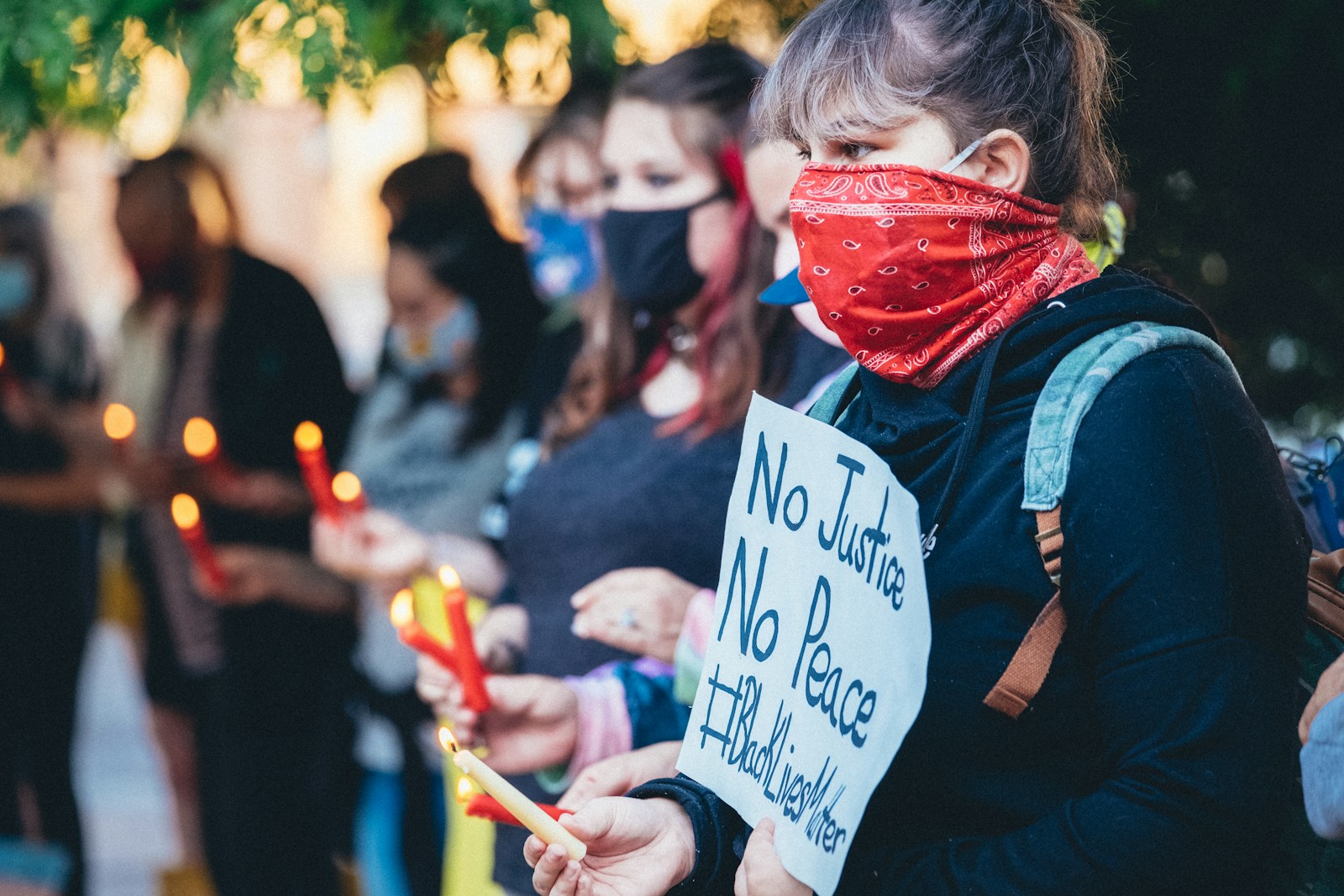
The ongoing discourse surrounding social justice issues has often seen the “woke” movement at the forefront, advocating for changes in societal norms and attitudes. However, there have been several instances where the movement has seemingly missed the nuanced realities of the issues it seeks to address. This article highlights six notable examples that illustrate the complexities and misinterpretations within the conversation around social justice, identity, and culture, emphasizing the importance of understanding context in these discussions.
1. The Backlash Against “Cancel Culture”
One of the most debated aspects of the woke movement is the concept of “cancel culture.” Critics argue that attempts to hold individuals accountable for past actions or statements have led to disproportionate consequences. For instance, public figures have faced severe backlash over statements made years prior, leading to job losses and social ostracism. This approach often overlooks the potential for growth and transformation, creating a chilling effect that stifles open dialogue and genuine learning.
2. Misunderstanding Microaggressions
Microaggressions—small, often unintentional, offensive comments or actions—are frequently highlighted by the woke crowd as a significant issue affecting marginalized communities. However, the term has been misapplied in various contexts, leading to misunderstandings and heightened tensions. Critics argue that labeling benign comments as microaggressions can alienate potential allies and create unnecessary conflict, ultimately detracting from the more pressing issues of systemic discrimination and inequality.
3. The Debate Over Cultural Appropriation
Cultural appropriation remains a contentious topic, particularly in the realms of fashion and art. While the intent behind raising awareness about the appropriation of cultural symbols is often well-meaning, critics assert that the conversation can become overly rigid. For example, when individuals are criticized for adopting elements from cultures different from their own, it can stifle creativity and discourage cross-cultural appreciation. Such an approach may divert attention from the real injustices faced by those underrepresented in the arts and fashion industries.
4. The Complexities of Gender Identity
The conversation surrounding gender identity has evolved significantly, yet it often leads to misunderstandings within the woke movement. While advocating for the rights of transgender and non-binary individuals is essential, some activists have been criticized for dismissing those who hold differing views on gender. This polarization can hinder constructive dialogue, making it challenging to address the genuine concerns of all parties involved. It’s crucial to foster an environment where individuals can share their thoughts without fear of being labeled as transphobic.
5. The Environmental Justice Movement
Environmental justice is a crucial aspect of the broader social justice conversation, yet some segments of the woke movement have focused narrowly on specific narratives. For instance, while it is important to address the disproportionate impact of environmental degradation on marginalized communities, a one-size-fits-all approach can overlook the economic realities faced by individuals in those communities. Advocating for a balanced discussion that incorporates both environmental sustainability and economic viability is essential for creating effective solutions.
6. The Over-Simplification of Intersectionality
Intersectionality, a framework for understanding how various forms of discrimination overlap, has gained traction in recent social justice discussions. However, some activists have oversimplified this concept, leading to a hierarchy of oppression that can alienate individuals from different backgrounds. By failing to acknowledge the complexities of intersectionality, the woke movement risks creating divisions rather than fostering unity. A more nuanced understanding of how intersecting identities influence experiences can lead to more effective advocacy and allyship.
Conclusion: The Importance of Context in Social Justice
As the conversation around social justice continues to evolve, it is essential to recognize the nuances and complexities inherent in these issues. The examples outlined above illustrate instances where the woke movement has, at times, missed the broader points of the conversations it aims to influence. Advocating for change requires an understanding of context, open dialogue, and a willingness to engage with differing perspectives. In doing so, the movement can better address the systemic issues it seeks to dismantle, promoting a more inclusive and informed discourse.

As a mom of three busy boys, I know how chaotic life can get — but I’ve learned that it’s possible to create a beautiful, cozy home even with kids running around. That’s why I started Cultivated Comfort — to share practical tips, simple systems, and a little encouragement for parents like me who want to make their home feel warm, inviting, and effortlessly stylish. Whether it’s managing toy chaos, streamlining everyday routines, or finding little moments of calm, I’m here to help you simplify your space and create a sense of comfort.
But home is just part of the story. I’m also passionate about seeing the world and creating beautiful meals to share with the people I love. Through Cultivated Comfort, I share my journey of balancing motherhood with building a home that feels rich and peaceful — and finding joy in exploring new places and flavors along the way.