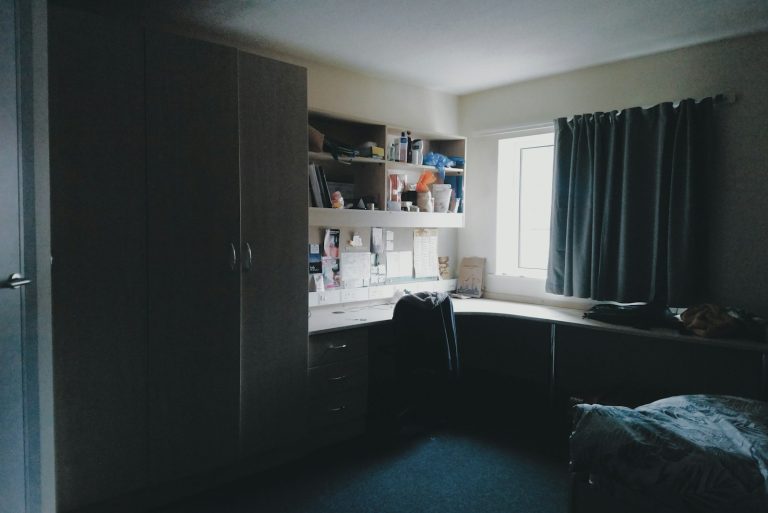
Amid the rising popularity of minimalism and decluttering trends, many individuals are finding that certain widely accepted rules can complicate their lives rather than simplify them. This article highlights seven decluttering rules that, while well-intentioned, may impose unnecessary stress and hinder effective organization for those trying to create a more manageable living space.
1. One In, One Out Policy
The “one in, one out” rule suggests that for every new item brought into a home, an existing item should be discarded. While this principle aims to maintain balance, it can lead to excessive decision-making and guilt. Many individuals find themselves in a constant cycle of evaluating their possessions, which can create anxiety rather than clarity.
2. The 90/90 Rule
Popularized by decluttering experts, the 90/90 rule states that if you haven’t used an item in the last 90 days and don’t plan to use it in the next 90 days, it should be discarded. This rule, however, fails to consider the sentimental value of items or their potential future use. For individuals who enjoy hobbies or seasonal activities, this strict timeframe can lead to regret over parting with items that are only used occasionally.
3. All-or-Nothing Mindset
Many decluttering enthusiasts advocate for an all-or-nothing approach, where individuals are encouraged to declutter their entire home in one go. This method can be daunting and lead to burnout, particularly for those with busy schedules or emotional attachments to their belongings. A gradual approach often proves more sustainable, allowing for thoughtful decision-making and less pressure.
4. Keeping Only What Sparks Joy
The mantra “keep only what sparks joy,” popularized by Marie Kondo, can sometimes create unrealistic expectations. The emotional weight of deciding what “sparks joy” can paralyze individuals, especially when considering practical items that may not evoke happiness but are nonetheless necessary. This rule can inadvertently promote a cycle of indecision, making it harder to achieve a streamlined living space.
5. Decluttering at Specific Intervals
Some experts recommend setting specific times for decluttering, such as New Year’s resolutions or spring cleaning. While these intervals can provide a framework, they may lead to procrastination and a buildup of clutter until the next scheduled decluttering session. In reality, decluttering should be a continuous process, integrated into daily life rather than confined to specific dates.
6. The 10-Second Rule
The 10-second rule suggests that if you can make a decision about an item in ten seconds, you should either keep it or dispose of it. This approach can be misleading, as meaningful decisions often require more contemplation than a mere countdown allows. Rushed decisions can lead to regret and the eventual retrieval of items that should have been thoughtfully kept.
7. Avoiding Storage Solutions
Many decluttering advocates advise against using storage solutions, believing that they simply hide clutter rather than eliminate it. However, this perspective can overlook the practicality of storage in managing belongings. For individuals with limited space, utilizing storage can be a viable strategy that allows for organization without the need to discard potentially useful items.
Finding Balance in Decluttering
While the intent behind these decluttering rules is to simplify life, they can often lead to stress and confusion. The key to effective decluttering lies in understanding personal needs and preferences rather than adhering strictly to external guidelines. A more personalized approach allows individuals to maintain a space that feels organized and reflective of their unique lifestyles.
Conclusion
As the decluttering movement continues to gain momentum, it is essential for individuals to critically assess the rules they choose to follow. Rather than feeling bound by rigid guidelines, embracing flexibility and personal preferences can lead to a more satisfying and effective decluttering experience. A thoughtful approach can transform living spaces without adding unnecessary stress, ultimately making life more enjoyable and manageable.

As a mom of three busy boys, I know how chaotic life can get — but I’ve learned that it’s possible to create a beautiful, cozy home even with kids running around. That’s why I started Cultivated Comfort — to share practical tips, simple systems, and a little encouragement for parents like me who want to make their home feel warm, inviting, and effortlessly stylish. Whether it’s managing toy chaos, streamlining everyday routines, or finding little moments of calm, I’m here to help you simplify your space and create a sense of comfort.
But home is just part of the story. I’m also passionate about seeing the world and creating beautiful meals to share with the people I love. Through Cultivated Comfort, I share my journey of balancing motherhood with building a home that feels rich and peaceful — and finding joy in exploring new places and flavors along the way.