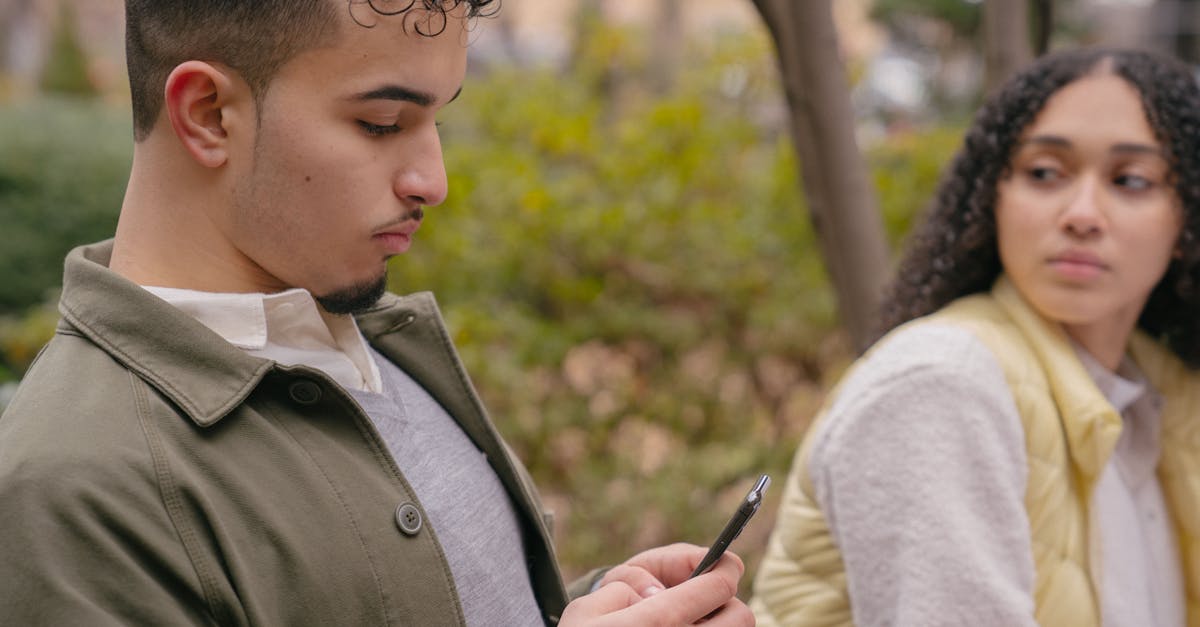

Recent psychological studies indicate that certain behaviors among friends can signal underlying feelings of jealousy, which can affect relationships and emotional well-being. Understanding these behaviors is essential for fostering healthier friendships, as they can reveal the complexities of human emotions and social dynamics. Recognizing jealousy in friendships can help individuals address issues before they escalate, ensuring stronger bonds and better communication.
1. Overly Competitive Attitudes
One of the most apparent signs of jealousy in friendships is an overly competitive attitude. Friends who constantly compete for attention, achievements, or social status may be masking their insecurities. This competition can manifest in various ways, such as one friend boasting about their accomplishments while downplaying others’ successes, leading to an unhealthy dynamic.
In a supportive friendship, individuals celebrate each other’s achievements. However, when competition becomes a central theme, it can create tension and resentment. This behavior reflects a deeper struggle with self-worth and the need for validation, which can be detrimental to maintaining genuine connections.
2. Passive-Aggressive Comments
Passive-aggressive remarks often serve as a subtle indicator of jealousy. Friends may use sarcastic comments or veiled insults that imply envy or dissatisfaction. For instance, a friend might say, “Must be nice to have all that free time,” when referencing another friend’s vacation plans.
Such comments may seem innocuous at first, but they can erode trust and communication in a friendship. Recognizing these patterns can help friends address underlying feelings directly, encouraging healthier expressions of emotions rather than resorting to passive aggression.
3. Withholding Support
Withholding support during significant life events can also signal jealousy. Friends who feel jealous may struggle to provide encouragement or assistance during important moments, such as job promotions, personal milestones, or new relationships. This behavior stems from a fear of being overshadowed or replaced.
Support is a cornerstone of any healthy friendship. When one friend withholds it, it not only affects the individual seeking help but can also create a rift in the relationship. Open communication about feelings can help address the jealousy and restore the balance of support.
4. Frequent Comparisons
Constantly comparing oneself to a friend can reveal deeper feelings of jealousy. A person might frequently express how they measure up against their friend’s achievements, looks, or lifestyle choices. This comparison can not only lead to feelings of inadequacy but also create a competitive atmosphere that hinders genuine friendship.
Healthy friendships thrive on individuality and mutual respect. When comparisons overshadow this foundation, it becomes crucial for friends to communicate openly about their feelings. Acknowledging each other’s strengths and differences can help mitigate jealousy and foster appreciation.
5. Social Media Sabotage
In today’s digital age, social media can amplify feelings of jealousy. Friends may react negatively to each other’s posts, such as liking or commenting less frequently, as a form of passive disapproval. Some may even unfollow or mute friends to avoid seeing their achievements, which can indicate a struggle with jealousy.
Understanding the impact of social media on friendships is vital. Instead of allowing jealousy to dictate online behaviors, friends can choose to engage positively with each other’s successes, fostering an environment of support and encouragement in both online and offline interactions.
6. Lack of Genuine Happiness for Others
A key indicator of jealousy is the inability to feel genuine happiness for a friend’s success. When one friend achieves a goal, such as a promotion or a personal milestone, a jealous friend may respond with indifference or even disappointment. This behavior stems from feeling threatened or envious rather than celebrating their friend’s accomplishments.
Healthy friendships are built on mutual joy and support. When jealousy takes root, it can hinder the ability to celebrate each other’s successes, leading to a toxic environment. Encouraging open conversations about feelings can help friends reconnect and reestablish that sense of joy for one another.
7. Distancing Behavior
Lastly, distancing behavior can illustrate feelings of jealousy. Friends may withdraw from social interactions, avoiding invitations or declining to engage in activities they once enjoyed together. This distancing often reflects an internal struggle, where one friend feels overshadowed or threatened by another’s accomplishments.
Recognizing distancing behavior is crucial for maintaining friendships. Friends should not hesitate to address these feelings, as open dialogue can lead to a better understanding of one another’s emotions. By confronting feelings of jealousy head-on, friends can work toward reinforcing their bond and fostering a supportive atmosphere.

As a mom of three busy boys, I know how chaotic life can get — but I’ve learned that it’s possible to create a beautiful, cozy home even with kids running around. That’s why I started Cultivated Comfort — to share practical tips, simple systems, and a little encouragement for parents like me who want to make their home feel warm, inviting, and effortlessly stylish. Whether it’s managing toy chaos, streamlining everyday routines, or finding little moments of calm, I’m here to help you simplify your space and create a sense of comfort.
But home is just part of the story. I’m also passionate about seeing the world and creating beautiful meals to share with the people I love. Through Cultivated Comfort, I share my journey of balancing motherhood with building a home that feels rich and peaceful — and finding joy in exploring new places and flavors along the way.