Vintage furniture from the 1970s has surged in popularity among collectors, with iconic styles drawing attention for their unique designs and nostalgic value. As the market for retro decor continues to expand, many collectors are eager to acquire pieces that reflect the bold creativity of this vibrant decade. The renewed interest not only impacts collectors but also influences interior design trends, bringing a piece of history into contemporary homes.
1. Mid-Century Modern
While the Mid-Century Modern movement began in the 1940s, its influence continued into the ’70s. Characterized by clean lines, organic shapes, and functional designs, this style remains a favorite among collectors. Pieces like the Eames lounge chair and the Bertoia side chair are particularly sought after for their timeless aesthetics and craftsmanship, making them valuable additions to any collection.
2. Rattan and Wicker
Rattan and wicker furniture gained immense popularity during the 1970s, often featured in sunrooms and patios. These lightweight materials added a casual, bohemian vibe to homes, and items such as rattan chairs and coffee tables are now highly coveted by collectors. The resurgence of interest in outdoor living spaces has further fueled demand for these durable, stylish pieces.
3. Funky Fabrics and Patterns
The ’70s were all about bold colors and eccentric patterns, leading to a rise in furniture upholstered with psychedelic prints and bright hues. Items featuring vibrant fabrics like velvet, corduroy, and denim are particularly appealing to collectors looking to capture the essence of the decade. Vintage sofas, chairs, and ottomans adorned with these playful designs are increasingly seen as statement pieces in modern homes.
4. Danish Modern
Danish Modern furniture, known for its minimalist style and functionality, reached new heights in popularity during the 1970s. Collectors appreciate the simplicity and elegance of pieces from this era, such as teak dining tables and sculptural chairs. The high-quality craftsmanship and sustainable materials used in Danish designs continue to resonate with buyers today, reinforcing their status as valuable collectibles.
5. Earthy Tones and Natural Materials
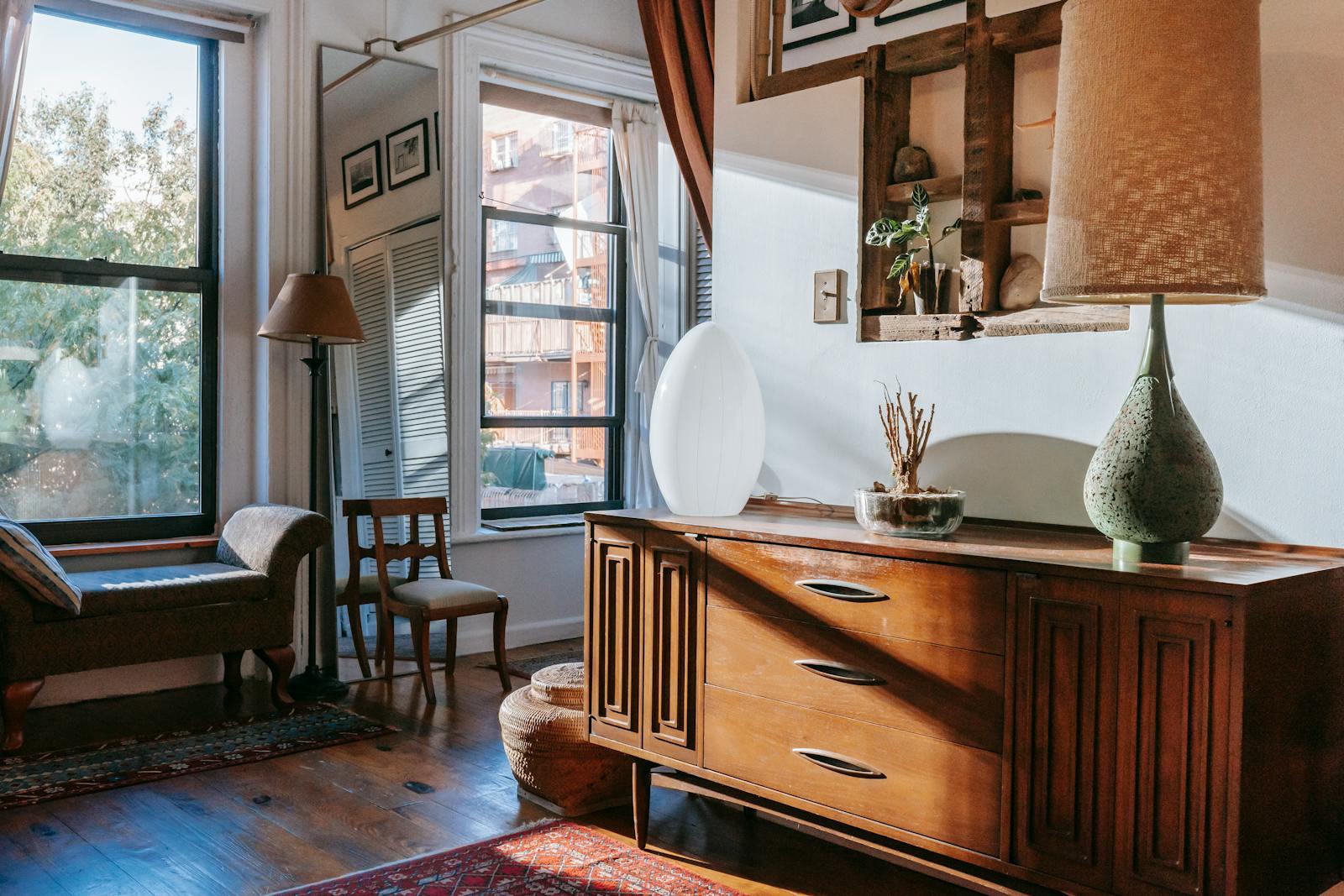
The ’70s also saw a shift toward earthy tones and natural materials in furniture design, reflecting a growing awareness of environmental issues. Collectors are now seeking out pieces made from materials like wood, stone, and metal, often in warm, muted colors. This trend aligns with contemporary design philosophies that prioritize sustainability and organic aesthetics, making these vintage items more appealing to today’s consumers.
6. Retro-Modern Blends
As the decade progressed, the fusion of retro and modern styles became prominent, leading to eclectic furniture designs. Collectors are particularly interested in pieces that blend aspects of traditional and contemporary styles, such as modular sofas and geometric shelving units. This hybrid approach not only showcases the creativity of the era but also offers versatility for modern interiors.
7. Iconic Brands and Designers
Many furniture brands and designers from the 1970s have become iconic, and their pieces are highly sought after by collectors. Brands like Knoll, Herman Miller, and Plycraft produced furniture that defined the era, and their products are now considered investment pieces. Collectors are not only looking for functional items but also for works of art that tell a story and reflect the cultural shifts of the time.
The Collector’s Market
The collector’s market for 1970s furniture is thriving, with online marketplaces and auction houses reporting increased demand for vintage items. Enthusiasts are actively searching for authentic pieces, often willing to pay a premium for well-preserved items in good condition. This trend highlights a broader movement towards appreciating the craftsmanship and design philosophies of past decades, making vintage furniture an attractive investment.
Tips for Collectors
For those interested in diving into the world of ’70s furniture collecting, several tips can enhance the experience. First, researching the history and significance of specific styles can provide valuable context when making purchases. Additionally, attending estate sales, flea markets, and auctions can yield unique finds that may not be available in mainstream retail outlets.
It’s also wise to verify the authenticity of pieces by checking for manufacturer labels and construction details. Condition is crucial; collectors should look for items that require minimal restoration to maintain their value. Finally, engaging with online communities and forums can offer insights and recommendations, helping collectors build their knowledge and networks.

As a mom of three busy boys, I know how chaotic life can get — but I’ve learned that it’s possible to create a beautiful, cozy home even with kids running around. That’s why I started Cultivated Comfort — to share practical tips, simple systems, and a little encouragement for parents like me who want to make their home feel warm, inviting, and effortlessly stylish. Whether it’s managing toy chaos, streamlining everyday routines, or finding little moments of calm, I’m here to help you simplify your space and create a sense of comfort.
But home is just part of the story. I’m also passionate about seeing the world and creating beautiful meals to share with the people I love. Through Cultivated Comfort, I share my journey of balancing motherhood with building a home that feels rich and peaceful — and finding joy in exploring new places and flavors along the way.