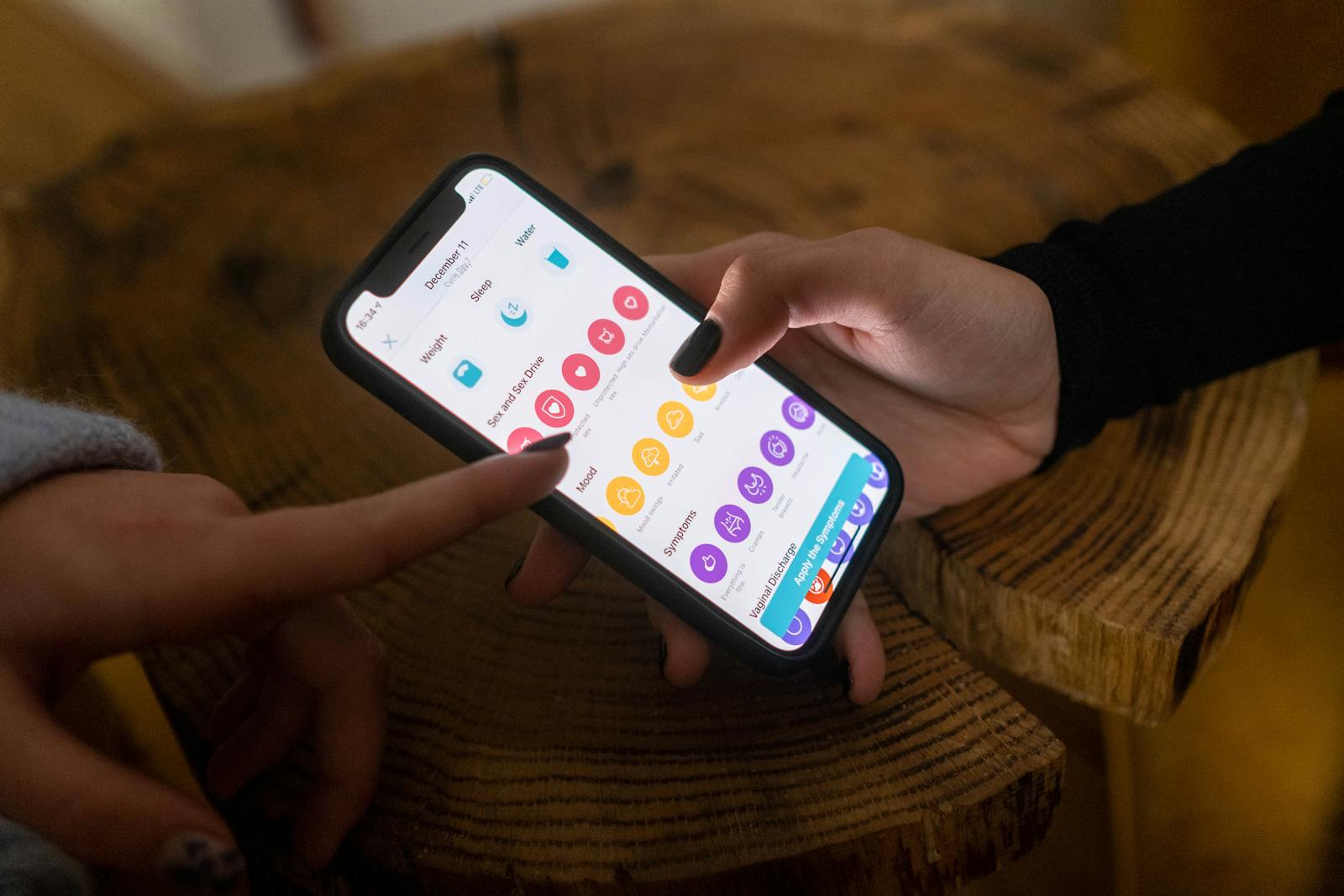
In an era where mental and physical wellness are at the forefront of public consciousness, many people are turning to health apps for guidance. However, recent studies indicate that some popular health applications may be causing more anxiety than they alleviate, leading users to feel overwhelmed rather than empowered. This phenomenon is particularly concerning as it affects millions of users who seek to improve their well-being through technology.
The Growing Popularity of Health Apps
The increasing reliance on digital solutions for health management has been fueled by the pandemic, with many individuals seeking ways to monitor their mental and physical health from home. According to a report by Grand View Research, the global health app market is expected to reach $111.1 billion by 2025, highlighting the demand for mobile solutions. However, not all apps deliver the promised benefits; in fact, some may inadvertently contribute to increased stress and anxiety.
1. MyFitnessPal
MyFitnessPal is renowned for its calorie-counting capabilities and extensive food database. While it can be beneficial for some users, many find the constant tracking of calories and macros to be overwhelming. The pressure to meet daily goals can lead to obsessive behavior surrounding food, creating anxiety rather than fostering a healthy relationship with eating.
2. Fitbit
Fitbit devices and their accompanying app are designed to help users track physical activity, sleep patterns, and heart rate. However, some users report feeling anxious about meeting their daily exercise goals. The app’s incessant reminders and notifications can lead to feelings of guilt or inadequacy if users do not meet their targets, undermining the app’s original intent of promoting a healthier lifestyle.
3. Calm
Calm, a popular meditation and mindfulness app, aims to reduce stress through guided meditations and relaxation exercises. Ironically, some users find the app’s high expectations and pressure to practice daily can create additional stress. Rather than enjoying a moment of calm, users may feel anxious about their inability to commit to the app’s recommendations, negating its benefits.
4. Noom
Noom markets itself as a weight-loss app that emphasizes behavior modification over calorie counting. However, its approach can be emotionally taxing for some users. The daily check-ins and psychological assessments designed to promote accountability can feel like a chore, leading to anxiety about progress and self-worth. This pressure may deter users from engaging with the app altogether.
5. Headspace
Headspace offers a range of meditation programs aimed at improving mental health. Despite its user-friendly design, some individuals report feeling overwhelmed by the sheer volume of content and the push to maintain a consistent practice. Instead of providing a sanctuary for relaxation, the app can inadvertently foster anxiety about not engaging with its offerings regularly.
6. HealthifyMe
HealthifyMe is a health and fitness app that provides personalized diet and workout plans. However, its focus on tracking every aspect of health can lead users to develop an unhealthy obsession with their progress. The constant analysis of data can create anxiety, especially when users feel they are not meeting the app’s recommendations or their own expectations.
7. Strava
Strava is a social network for athletes that allows users to track their workouts and share their achievements. While it can foster community and motivation, it can also lead to unhealthy competition and comparison. Users may experience anxiety over their performance relative to others, detracting from the enjoyment of physical activity and potentially leading to burnout.
The Importance of Mindful App Usage
As health apps continue to proliferate, it is crucial for users to approach them with mindfulness. Awareness of how these applications impact mental health is essential for individuals looking to improve their well-being. Not every tool will be beneficial for everyone, and recognizing when an app is causing more harm than good can be a vital step in promoting a healthier lifestyle.
Finding Balance in Health Tech
To navigate the world of health apps effectively, users should prioritize their mental well-being alongside their health goals. It may be beneficial to set boundaries around app usage, such as limiting notifications or taking breaks from tracking. Seeking guidance from healthcare professionals can also help users determine which tools align best with their individual needs and mental health status.

As a mom of three busy boys, I know how chaotic life can get — but I’ve learned that it’s possible to create a beautiful, cozy home even with kids running around. That’s why I started Cultivated Comfort — to share practical tips, simple systems, and a little encouragement for parents like me who want to make their home feel warm, inviting, and effortlessly stylish. Whether it’s managing toy chaos, streamlining everyday routines, or finding little moments of calm, I’m here to help you simplify your space and create a sense of comfort.
But home is just part of the story. I’m also passionate about seeing the world and creating beautiful meals to share with the people I love. Through Cultivated Comfort, I share my journey of balancing motherhood with building a home that feels rich and peaceful — and finding joy in exploring new places and flavors along the way.