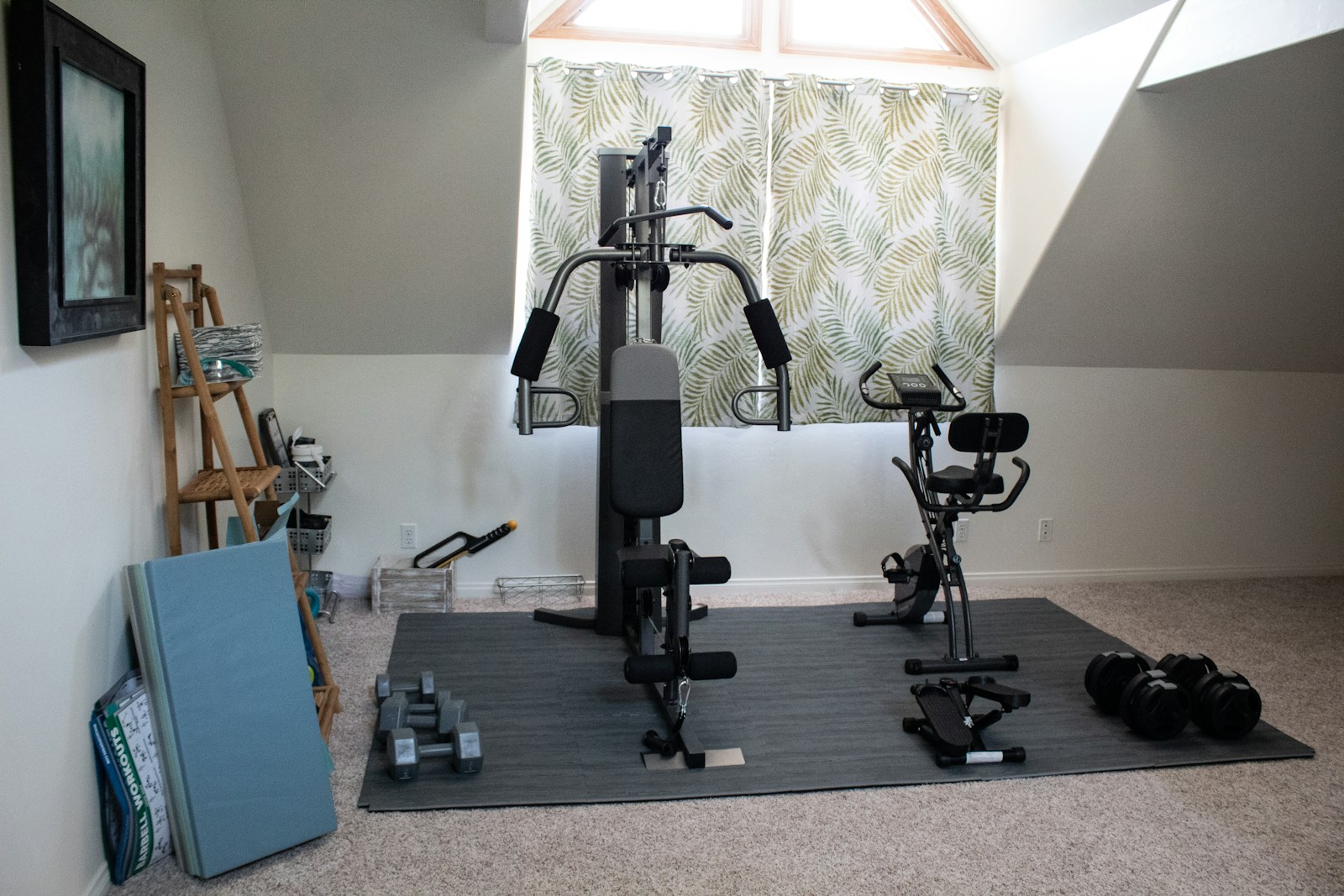
In an era where health and fitness are increasingly prioritized, many consumers have found themselves with costly equipment that remains unused, highlighting a growing trend of overpriced fitness gear collecting dust in homes across the country. This phenomenon impacts not only individual budgets but also the fitness industry, which has seen a surge in sales of high-end equipment during the pandemic. Understanding the reasons behind this trend and its implications is essential for both consumers and manufacturers.
The Allure of Home Workouts
The rise in home fitness can be traced back to the COVID-19 pandemic when gyms closed and people sought alternatives to maintain their exercise routines. Many turned to online classes and invested in home gym equipment, believing that high-priced machines would lead to better results. However, as restrictions eased, many found themselves returning to traditional gyms or outdoor activities, leaving expensive equipment unused.
Commonly Overpriced Items
Several pieces of fitness equipment have gained a reputation for being overpriced and underused. These include high-tech treadmills, smart stationary bikes, and elaborate weight systems. For instance, premium brands often market their products with cutting-edge technology and features that promise to enhance the workout experience. Yet, many users discover that simpler, more affordable alternatives can achieve similar results.
Consumer Regret and Financial Impact
As buyers begin to realize they are not getting the value they expected from their purchases, feelings of regret set in. The financial impact can be significant; consumers who invested in high-end fitness equipment often find themselves out of pocket for thousands of dollars. This situation is exacerbated when they try to sell or trade in their equipment, often facing steep depreciation in value.
Market Insights: Fitness Equipment Sales Trends
Recent market studies reveal that the demand for home fitness equipment surged during the pandemic, with sales reaching unprecedented levels. However, as gyms reopened and people returned to their old routines, sales of high-end equipment have started to decline. According to data from IBISWorld, the fitness equipment manufacturing industry is projected to see a slowdown, illustrating a shift in consumer priorities.
Psychological Factors at Play
The phenomenon of purchasing expensive fitness equipment can be attributed to several psychological factors. Many consumers fall victim to the “halo effect,” where they believe that a high price signifies superior quality and effectiveness. Additionally, the desire for instant gratification often leads buyers to think that a costly purchase will quickly yield results, which is not always the case. This mindset can result in impulsive buying, leaving individuals with equipment that fails to meet their expectations.
Alternatives to Overpriced Equipment
For those looking to maintain their fitness without breaking the bank, numerous alternatives exist. Bodyweight exercises, resistance bands, and inexpensive dumbbells can provide effective workouts without the hefty price tag. Moreover, many fitness apps and online platforms offer free or low-cost classes, allowing users to explore different workout styles without the commitment of purchasing expensive machines.
Educating Consumers
As the market continues to evolve, it is crucial for consumers to educate themselves before making significant purchases. Researching options, reading reviews, and understanding personal fitness goals can help buyers make informed decisions. Additionally, engaging in community discussions or seeking advice from fitness professionals can provide valuable insights into what equipment is truly necessary for a successful home workout.
Conclusion: A Call for Mindful Spending
The trend of overpriced fitness equipment collecting dust serves as a reminder for consumers to be mindful of their spending habits. While investing in health is important, understanding the value of equipment and making informed choices can lead to more satisfying outcomes. As the fitness industry adapts to changing consumer behaviors, it is essential for buyers to prioritize practicality and functionality over brand prestige and flashy features.
In an increasingly health-conscious society, the emphasis should be on creating sustainable and enjoyable fitness routines that do not rely on expensive, underused equipment. By focusing on personal engagement and realistic goals, individuals can foster a more fulfilling approach to their fitness journeys, ultimately leading to healthier lifestyles without the burden of regrettable purchases.

As a mom of three busy boys, I know how chaotic life can get — but I’ve learned that it’s possible to create a beautiful, cozy home even with kids running around. That’s why I started Cultivated Comfort — to share practical tips, simple systems, and a little encouragement for parents like me who want to make their home feel warm, inviting, and effortlessly stylish. Whether it’s managing toy chaos, streamlining everyday routines, or finding little moments of calm, I’m here to help you simplify your space and create a sense of comfort.
But home is just part of the story. I’m also passionate about seeing the world and creating beautiful meals to share with the people I love. Through Cultivated Comfort, I share my journey of balancing motherhood with building a home that feels rich and peaceful — and finding joy in exploring new places and flavors along the way.