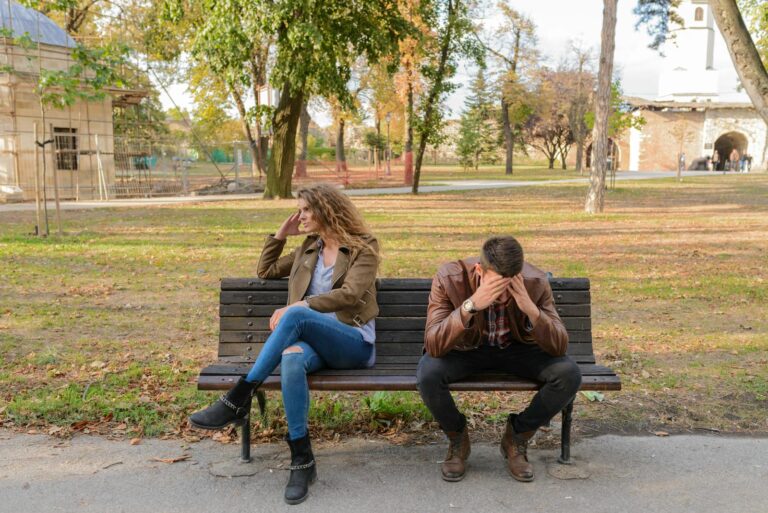

Recent studies have shed light on the emotional and psychological patterns exhibited by individuals who have experienced abandonment, affecting their relationships and mental health. This phenomenon is particularly significant, as understanding these patterns can lead to better support and intervention strategies for those who have faced such trauma. By recognizing these behaviors, friends, family, and mental health professionals can offer more effective assistance.
1. Difficulty Trusting Others
One of the most common patterns observed in individuals who have faced abandonment is a pervasive difficulty in trusting others. People who have been abandoned often struggle to form close relationships because they fear being hurt again. This mistrust can manifest as skepticism towards others’ intentions, making it challenging to build or maintain friendships or romantic relationships.
2. Heightened Sensitivity to Rejection
Those who have experienced abandonment often display an increased sensitivity to rejection. Situations that might seem trivial to others, such as a friend canceling plans or a partner not responding immediately to a text, can trigger intense feelings of anxiety or inadequacy. This heightened sensitivity can lead to a cycle of overreacting to perceived slights, further isolating the individual.
3. Emotional Outbursts or Withdrawal
Emotional responses can vary significantly among those dealing with abandonment issues. Some individuals may exhibit emotional outbursts, becoming overly reactive to situations that remind them of past traumas. Conversely, others might withdraw emotionally, shutting down and avoiding interactions altogether. This duality makes it difficult for both the individual and their loved ones to navigate their feelings effectively.
4. Fear of Intimacy
A profound fear of intimacy is another common trait among individuals who have experienced abandonment. The thought of becoming close to someone can trigger anxiety, leading many to sabotage potential relationships before they can deepen. This fear often results in a pattern of short-lived connections, leaving individuals feeling unfulfilled and lonely.
5. Repeating Patterns in Relationships
People with abandonment issues frequently find themselves in repeating patterns within their relationships. This may include gravitating towards partners who are emotionally unavailable or engaging in tumultuous relationships that mirror past experiences. This cycle can perpetuate feelings of abandonment and reinforce negative beliefs about self-worth and love.
6. Low Self-Esteem
Low self-esteem is a prevalent issue among those who have faced abandonment. The experience often leads individuals to internalize feelings of unworthiness, believing they are unlovable or undeserving of positive relationships. This diminished self-image can hinder personal growth and the ability to engage fully in life, creating a barrier to healthy relationships and opportunities.
7. Difficulty Regulating Emotions
Finally, many individuals who have experienced abandonment struggle with emotional regulation. They may find it challenging to navigate their feelings, leading to mood swings or overwhelming emotional responses. This difficulty can stem from a lack of coping mechanisms developed during formative years, making it essential for individuals to seek strategies and support to manage their emotions effectively.
Conclusion
Understanding these common patterns can offer valuable insights for individuals who have experienced abandonment and those around them. Recognizing the signs of difficulty in trust, heightened sensitivity to rejection, and emotional regulation challenges is crucial for fostering supportive environments. As awareness grows, so does the potential for healing and building healthier relationships, ultimately leading to improved mental health for those affected by abandonment.
Supportive resources, such as therapy and community programs, can provide individuals with tools to navigate their experiences and break the cycles of pain. By acknowledging these patterns and addressing them compassionately, society can help those struggling with the aftermath of abandonment find paths toward healing and connection.

As a mom of three busy boys, I know how chaotic life can get — but I’ve learned that it’s possible to create a beautiful, cozy home even with kids running around. That’s why I started Cultivated Comfort — to share practical tips, simple systems, and a little encouragement for parents like me who want to make their home feel warm, inviting, and effortlessly stylish. Whether it’s managing toy chaos, streamlining everyday routines, or finding little moments of calm, I’m here to help you simplify your space and create a sense of comfort.
But home is just part of the story. I’m also passionate about seeing the world and creating beautiful meals to share with the people I love. Through Cultivated Comfort, I share my journey of balancing motherhood with building a home that feels rich and peaceful — and finding joy in exploring new places and flavors along the way.