

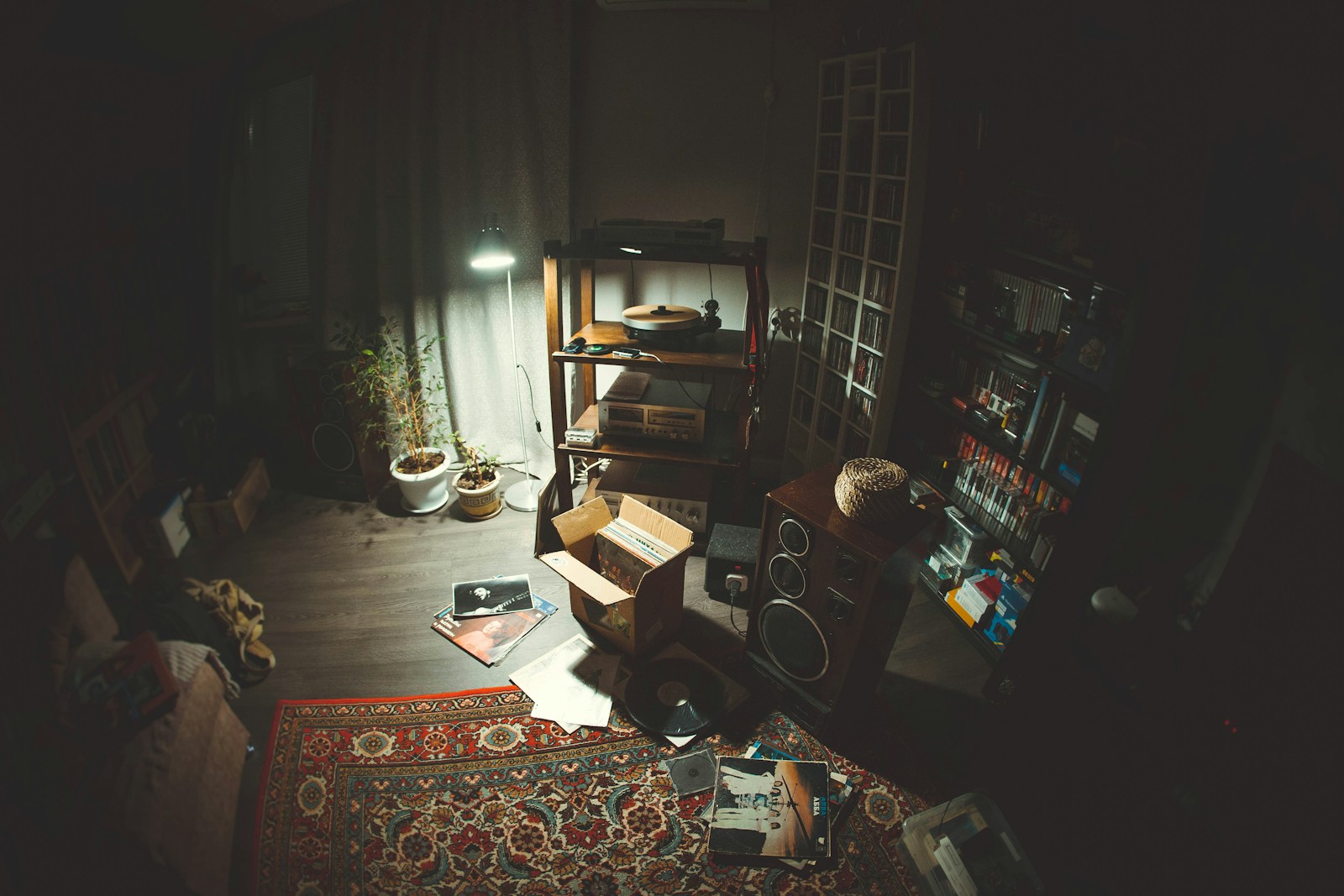
Many people are unaware that their home environment can significantly impact their emotional well-being. As more individuals continue to work remotely and spend extended periods at home, recognizing the signs of an emotionally draining setup is crucial. Understanding these red flags can help improve mental health and overall happiness, making it essential to assess your living and working spaces.
1. Cluttered Spaces
A disorganized home can lead to feelings of anxiety and overwhelm. Studies have shown that clutter can negatively affect focus and productivity, creating a chaotic environment that drains emotional energy. If your living space is filled with items that don’t serve a purpose or bring you joy, it may be time to declutter and create a more calming atmosphere.
2. Poor Lighting
Lighting plays a vital role in setting the mood of any space. Dim, harsh, or flickering lights can contribute to feelings of sadness or lethargy. Natural light, on the other hand, has been linked to improved mood and energy levels. If your home setup lacks adequate lighting, consider incorporating more natural light or investing in adjustable lighting options to create a more uplifting environment.
3. Uncomfortable Furniture
Your choice of furniture can significantly impact both physical and emotional well-being. Uncomfortable seating or poorly designed workspaces can lead to physical discomfort, which in turn affects mood and productivity. If you find yourself constantly shifting in your chair or unable to relax on your couch, it may be time to invest in ergonomic furniture that supports your body and mental health.
4. Lack of Personalization
A home that doesn’t reflect your personality can feel impersonal and draining. Surrounding yourself with items that resonate with you, such as art, photographs, or meaningful souvenirs, can create a sense of belonging and comfort. If your space feels sterile or uninspired, consider adding personal touches that make you feel at home.
5. Overwhelming Noise Levels
Noise pollution can be a significant source of stress and distraction. Whether it’s the sound of traffic, loud neighbors, or constant background noise from electronic devices, a noisy environment can drain your emotional energy. If you’re frequently distracted or find it hard to concentrate, consider soundproofing your space or introducing calming background sounds, such as white noise or soft music, to create a more peaceful atmosphere.
6. Inadequate Zones for Different Activities
Having distinct areas for work, relaxation, and sleep is essential for maintaining a healthy balance in your home. Mixing work and leisure spaces can lead to difficulty in unwinding, contributing to emotional fatigue. If you find it hard to disconnect from work, creating designated zones can help you establish boundaries and promote a healthier lifestyle.
7. Unpleasant Odors
Odors can significantly influence mood and emotional well-being. A space that smells musty or unpleasant can create a sense of discomfort and unease. Regular cleaning, proper ventilation, and the use of air fresheners or essential oils can help create a more pleasant environment. If you notice lingering odors in your home, addressing them may help improve your overall emotional state.
The Importance of Self-Care
Recognizing these red flags is the first step in taking charge of your emotional well-being. Creating a home environment that nurtures rather than drains you is a fundamental aspect of self-care. By making simple adjustments to your living space, you can cultivate an atmosphere that promotes relaxation, creativity, and happiness.
Taking Action
Addressing these issues doesn’t have to be overwhelming. Start by identifying one or two areas that resonate with you and commit to making small changes. Whether it’s decluttering a room, rearranging furniture for better flow, or adding personal touches, each step can lead to a more positive home environment.
Emotional health is crucial, especially in today’s fast-paced world. By acknowledging these red flags and taking proactive steps to improve your home setup, you can enhance your emotional resilience and overall quality of life. Remember, your home should be a sanctuary that supports your well-being, not a source of stress.
In conclusion, your home environment plays a vital role in your emotional health. By being aware of these seven red flags, you can take meaningful steps to ensure that your living space fosters positivity and comfort. Embrace the opportunity to create a nurturing environment and experience the benefits of a home that supports your mental well-being.

As a mom of three busy boys, I know how chaotic life can get — but I’ve learned that it’s possible to create a beautiful, cozy home even with kids running around. That’s why I started Cultivated Comfort — to share practical tips, simple systems, and a little encouragement for parents like me who want to make their home feel warm, inviting, and effortlessly stylish. Whether it’s managing toy chaos, streamlining everyday routines, or finding little moments of calm, I’m here to help you simplify your space and create a sense of comfort.
But home is just part of the story. I’m also passionate about seeing the world and creating beautiful meals to share with the people I love. Through Cultivated Comfort, I share my journey of balancing motherhood with building a home that feels rich and peaceful — and finding joy in exploring new places and flavors along the way.


