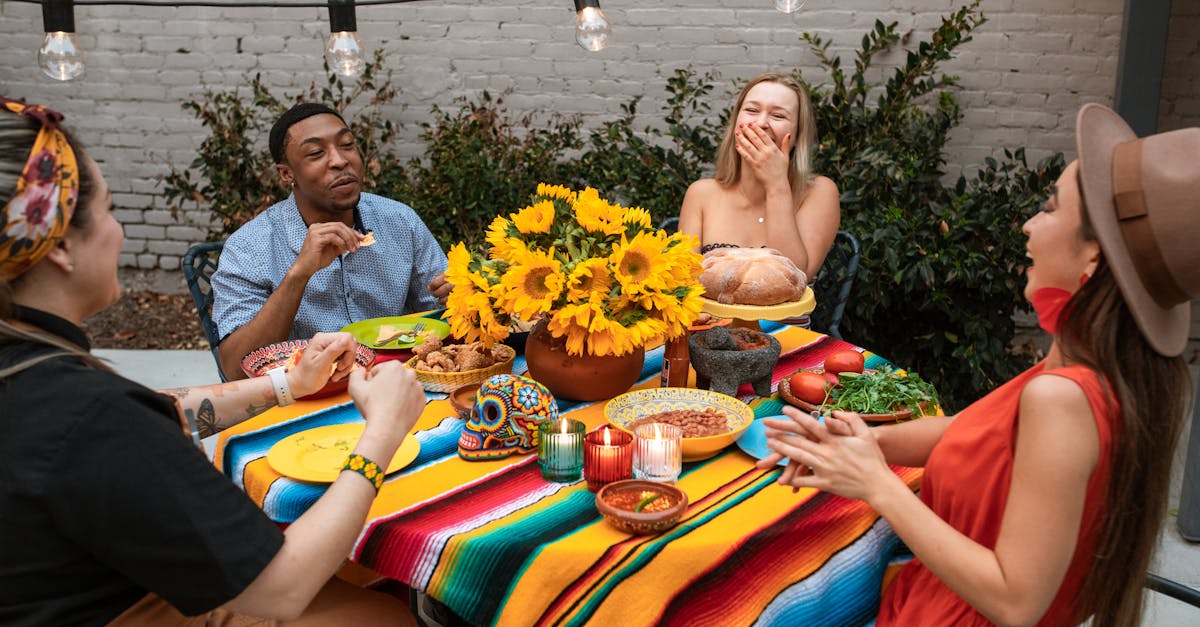

In today’s rapidly evolving social landscape, humor has become a minefield, with certain topics now deemed off-limits for even the lightest of jokes. This shift affects comedians, writers, and everyday individuals alike, as societal norms surrounding sensitive subjects continue to change. Understanding these boundaries is crucial for fostering respectful communication and avoiding unintentional harm.
1. Mental Health Issues
Mental health awareness has surged in recent years, leading to a greater understanding of conditions such as depression, anxiety, and PTSD. Joking about mental health can trivialize the struggles faced by millions, often leaving those affected feeling marginalized and misunderstood. The importance of approaching these topics with care cannot be overstated, as they touch on deeply personal experiences and societal stigmas that are still prevalent.
2. Tragedy and Loss
Humor that references tragedies, such as mass shootings or natural disasters, is increasingly viewed as inappropriate. What may seem like a light-hearted comment to one person can be a painful reminder of loss for another. As communities navigate the aftermath of such events, sensitivity is paramount, making jokes about tragedy not only distasteful but often unwelcome.
3. Racial and Ethnic Stereotypes
Jokes that perpetuate racial or ethnic stereotypes have long been criticized, but recent movements advocating for racial equality have amplified calls for change. Humor that relies on stereotypes can reinforce harmful biases and create division rather than unity. With an increasing focus on inclusivity, many are recognizing that laughter should not come at the expense of marginalized communities.
4. Gender and Sexuality
Discussions surrounding gender identity and sexual orientation have evolved significantly, leading to a growing intolerance for jokes that undermine these identities. Humor that mocks or belittles individuals based on their gender or sexuality can contribute to a culture of discrimination and exclusion. As society strives for greater acceptance, it’s essential to recognize that such jokes often fail to respect the dignity of all individuals.
5. Health Conditions and Disabilities
Making light of health conditions and disabilities is increasingly seen as unacceptable, as it can perpetuate stigma and misunderstanding. Individuals living with chronic illnesses or disabilities often face significant challenges, and humor that trivializes their experiences can be deeply hurtful. In an era where empathy and understanding are paramount, it is vital to approach these topics with sensitivity and respect.
6. Political Correctness and Cancel Culture
The rise of political correctness and the phenomenon often referred to as “cancel culture” have made many people wary of their humor. Jokes that might have been acceptable in the past can now lead to backlash, as audiences expect more awareness and responsibility from public figures. The fear of being “canceled” has prompted many to reconsider their comedic choices, leading to a broader discussion about the freedom of speech versus the potential harm of words.
7. Personal Trauma
Joking about personal trauma is a sensitive subject that many people now recognize as off-limits. Experiences such as abuse, loss, and significant life challenges are deeply personal and can evoke strong emotional responses. Humor that touches on these areas can be triggering for those who have lived through such events, highlighting the need for compassion and understanding in discussions surrounding trauma.
Conclusion
As society continues to navigate the complexities of communication in a diverse world, the landscape of humor is changing. While laughter is often seen as a universal connector, it is essential to remain aware of the potential impact of our words. By understanding and respecting these boundaries, individuals can contribute to a more empathetic and inclusive dialogue, ensuring that humor uplifts rather than divides.
In recognizing these sensitive topics, we open the door to more meaningful conversations that honor the experiences of all individuals. Adapting our humor is not about stifling creativity but rather about fostering a culture of respect and understanding in an ever-evolving society.

As a mom of three busy boys, I know how chaotic life can get — but I’ve learned that it’s possible to create a beautiful, cozy home even with kids running around. That’s why I started Cultivated Comfort — to share practical tips, simple systems, and a little encouragement for parents like me who want to make their home feel warm, inviting, and effortlessly stylish. Whether it’s managing toy chaos, streamlining everyday routines, or finding little moments of calm, I’m here to help you simplify your space and create a sense of comfort.
But home is just part of the story. I’m also passionate about seeing the world and creating beautiful meals to share with the people I love. Through Cultivated Comfort, I share my journey of balancing motherhood with building a home that feels rich and peaceful — and finding joy in exploring new places and flavors along the way.