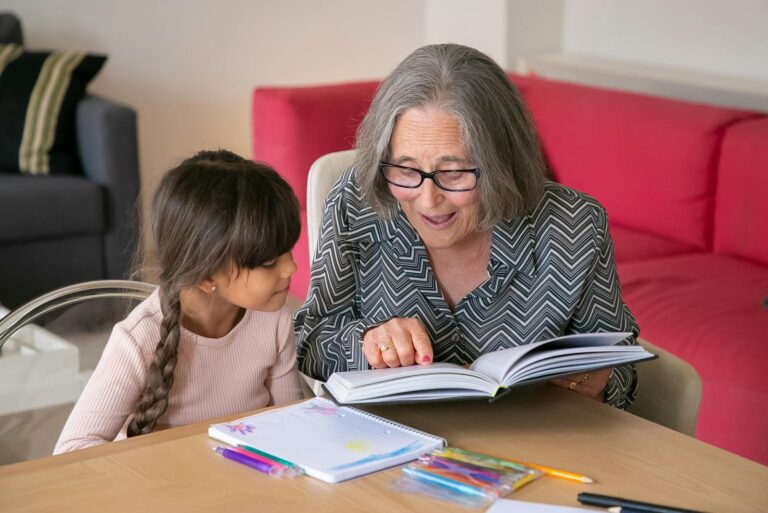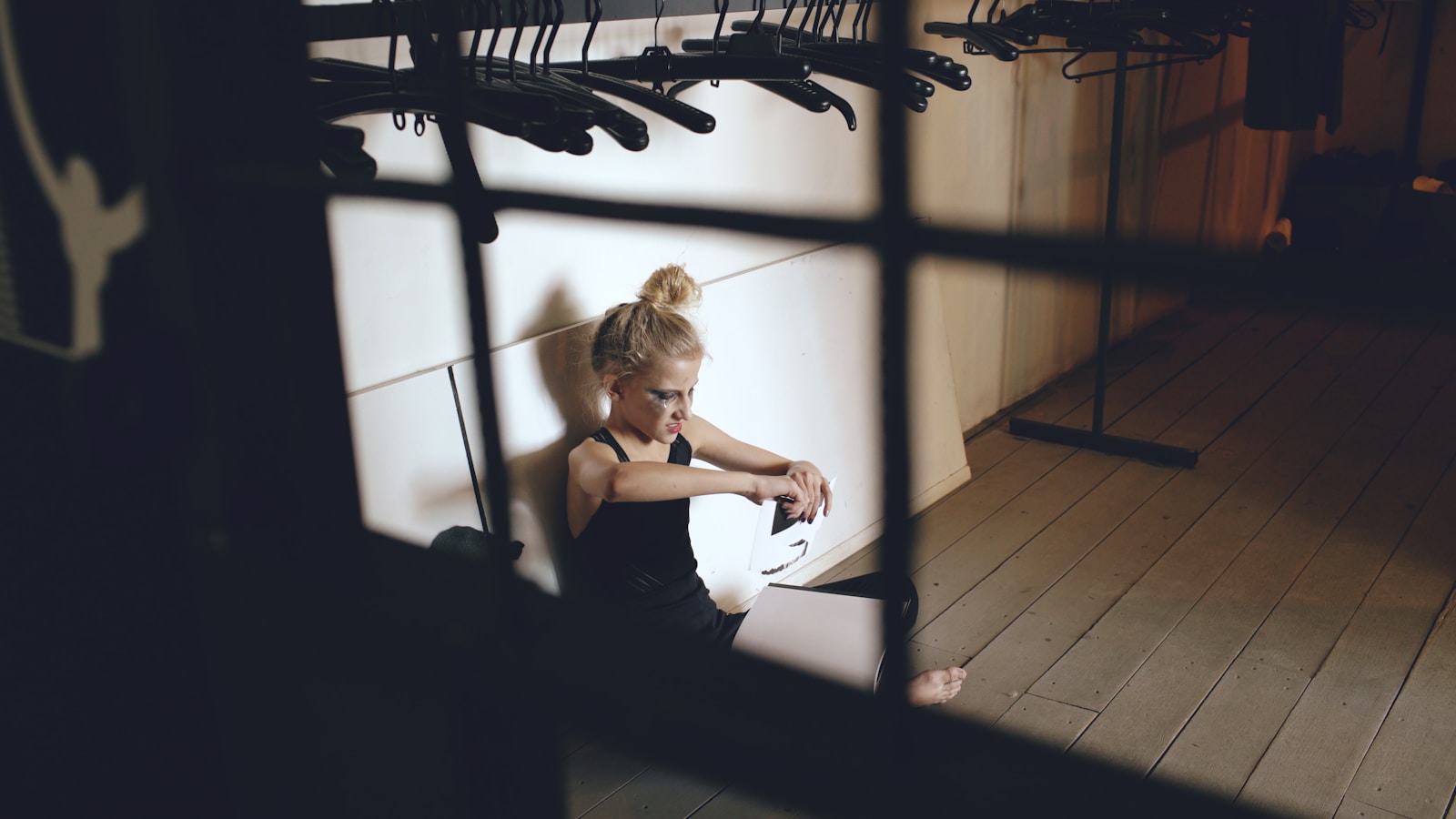
Childhood trauma profoundly impacts adult relationships, often influencing one’s attachment style, which can dictate how individuals connect with others. Understanding this connection is crucial as it affects mental health, relationship satisfaction, and overall well-being. Research indicates that approximately 61% of adults report experiencing at least one traumatic event in their childhood, highlighting the widespread implications of this issue.
1. Understanding Attachment Styles
Attachment theory, developed by psychologist John Bowlby, categorizes relationships based on how individuals bond with caregivers during childhood. The four primary attachment styles—secure, anxious, avoidant, and disorganized—emerge from early interactions. Individuals with secure attachments generally have healthy relationships, while those with anxious or avoidant styles may struggle with intimacy and trust.
2. The Role of Early Relationships
Childhood trauma can stem from various sources, including neglect, abuse, or parental mental health issues. These adverse experiences can lead to insecure attachment styles, as children learn to either seek excessive reassurance or distance themselves emotionally. The lack of a nurturing environment inhibits emotional regulation and can create a cycle of unhealthy relationships in adulthood.
3. Insecurity and Fear of Abandonment
Children who experience trauma may develop an anxious attachment style characterized by a constant fear of abandonment. These individuals often seek excessive validation from partners and may become overly dependent on them for emotional support. This pattern can result in clinginess or hyper-vigilance in relationships, creating a dynamic that can strain partnerships.
4. Avoidance and Emotional Distance
Conversely, those with avoidant attachment styles often shut down emotionally as a defense mechanism against trauma. This detachment can make it difficult for them to engage in intimate relationships, leading to a pattern of emotional unavailability. Moreover, their reluctance to open up can stem from a deep-seated belief that vulnerability equates to danger, reinforcing their isolation.
5. Disorganized Attachment and Confusion
Disorganized attachment is often the result of inconsistent caregiving, where the caregiver is both a source of comfort and fear. Adults with this attachment style may experience a mix of avoidance and anxiety, leading to chaotic relationships. This unpredictability can manifest as emotional turbulence, making it challenging for these individuals to establish stable connections.
6. The Impact of Trauma on Self-Perception
Childhood trauma can distort an individual’s self-image, leading to feelings of unworthiness or inadequacy. These negative self-perceptions heavily influence attachment styles, as individuals may unconsciously sabotage relationships by projecting their insecurities onto partners. Understanding this link is essential for healing and rebuilding a positive self-identity that fosters healthier relationships.
7. Healing Through Awareness and Therapy
Recognizing the effects of childhood trauma on attachment styles is the first step toward healing. Therapeutic interventions, such as cognitive-behavioral therapy and attachment-focused therapy, can help individuals process their past experiences and develop healthier relational patterns. By fostering self-awareness and emotional regulation, individuals can break the cycle of trauma and build secure attachments in their adult lives.
Conclusion
Childhood trauma significantly shapes attachment styles, influencing how individuals navigate relationships throughout their lives. By understanding these dynamics, individuals can take proactive steps toward healing and improved relational health. Addressing the roots of trauma not only enhances personal well-being but also paves the way for more fulfilling and secure connections with others.

As a mom of three busy boys, I know how chaotic life can get — but I’ve learned that it’s possible to create a beautiful, cozy home even with kids running around. That’s why I started Cultivated Comfort — to share practical tips, simple systems, and a little encouragement for parents like me who want to make their home feel warm, inviting, and effortlessly stylish. Whether it’s managing toy chaos, streamlining everyday routines, or finding little moments of calm, I’m here to help you simplify your space and create a sense of comfort.
But home is just part of the story. I’m also passionate about seeing the world and creating beautiful meals to share with the people I love. Through Cultivated Comfort, I share my journey of balancing motherhood with building a home that feels rich and peaceful — and finding joy in exploring new places and flavors along the way.