The next time you grab a soda, a loaf of bread or a package of chicken at the supermarket, consider that regulators in parts of Europe and Canada treat some of what is in your cart differently. Those regulators have banned, restricted or required warnings on certain ingredients and practices that are still part of the American food story.
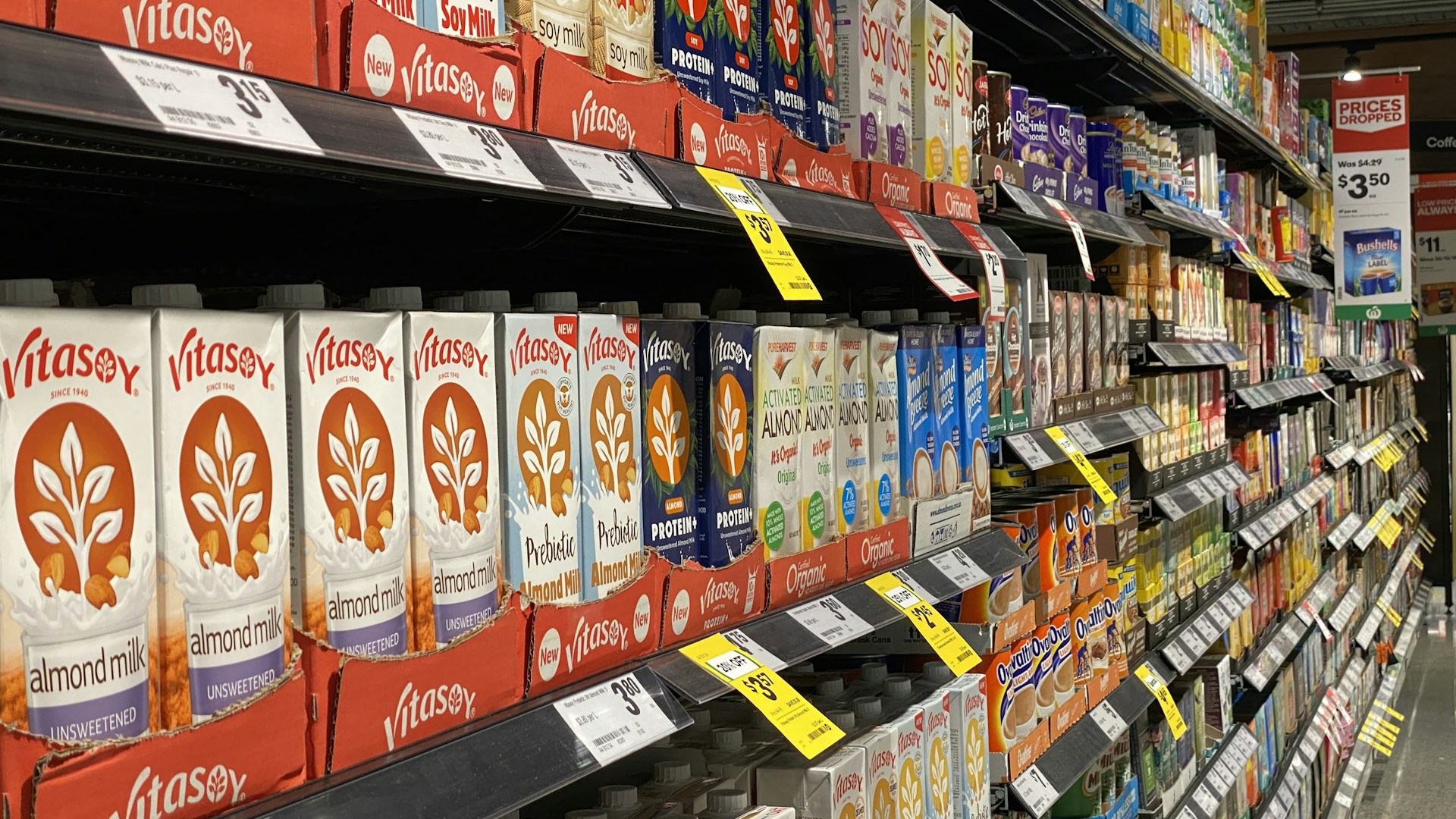
Banned does not always mean dangerous in the way headlines suggest, and the reasons vary. Here are eight cases where an agency or government body has taken a position, with the named source for each.
In a few cases, the United States has moved too. That is worth knowing before you decide what to put in your basket.
Brominated Vegetable Oil, Now Revoked By The FDA
Brominated vegetable oil, or BVO, was used as a stabilizer in some fruit-flavored drinks. In July 2024 the Food and Drug Administration published a notice in the Federal Register revoking its only authorization for BVO in food, effective August 2, 2024, with a one-year compliance period for companies.
The agency said there was no longer a “reasonable certainty of no harm,” citing rodent studies published in 2022 linking dietary BVO to thyroid toxicity. The notice also says BVO is not permitted in beverages in Australia, the European Union, Japan and New Zealand.
Titanium Dioxide, Banned In EU Food Since 2022
Titanium dioxide, known in Europe as E171, is a white colorant. The European Commission said member states approved a proposal on October 8, 2021 to remove it from food.
The European Food Safety Authority concluded that it can no longer be considered safe as a food additive, mainly because concerns about genotoxicity cannot be ruled out. Commissioner Stella Kyriakides said, “The safety of our food and the health of our consumers is not negotiable.”
Beef From Cattle Raised With Growth Hormones
The European Union has long banned hormone-treated meat. A Congressional Research Service report from December 2000, by Charles Hanrahan, says the EU enacted the ban in 1985 and it took effect on January 1, 1989.
The Commission said the ban protects consumers from illegal, unregulated use of hormones in livestock. The United States challenged it, and a World Trade Organization panel ruled in 1997 that it violated the trade agreement on sanitary measures.
Health Canada, by contrast, says six hormonal growth promoters are approved there for beef cattle and that scientific research to date has not demonstrated a threat to human health. So the picture differs by country.
Meat From Livestock Fed Ractopamine
Ractopamine is a growth-promoting drug for livestock. According to FoodNavigator, in October 2012 the EU’s agriculture ministers upheld their ban on it, covering both EU producers and imports of meat from treated cattle.
The ministers acted even after the Codex Alimentarius Commission, the United Nations food standards body, allowed its use under strict limits. Their statement said the Codex standard could be seen as a “de facto authorisation.”
Artificial Dyes That Carry A Warning Label In Europe
Europe took a label-based approach to certain food colors. Under EU Regulation 1333/2008, which took effect on July 20, 2010, foods with six named colors, including Allura Red, must carry a warning, according to law firm CMS.
The wording is that the colour “may have an adverse effect on activity and attention in children.” The rule followed the Southampton Study, commissioned by Britain’s Food Standards Agency, which suggested a possible link between the colors and hyperactivity in children.
Milk From Cows Given Bovine Growth Hormone
Health Canada says recombinant bovine somatotropin, or rBST, is not approved for sale in Canada. The agency’s hormone fact sheet says it was reviewed in the 1990s and determined not to pose a health risk to humans, but there were animal health concerns.
That distinction matters. The Canadian position rests on animal health rather than a finding of harm to people.
Potassium Bromate In Bread
Potassium bromate is a dough strengthener. The Center for Science in the Public Interest, in a 1999 press release, says the United Kingdom banned it in 1990 and Canada in 1994, and notes that the FDA had asked bakers since 1991 to stop using it voluntarily.
The group says studies found tumors in lab animals. The release adds that California listed bromate as a carcinogen under Proposition 65 in 1991, and most California bakers switched to bromate-free processes.
Chlorine-Washed Chicken
Food Republic reported in March 2026 that the European Union has prohibited chlorinated chicken since 1997. The ban covers poultry treated with antibacterial washes used to reduce bacteria such as Salmonella and E. coli.
The article says the EU does not consider the practice unsafe to eat. The objection is that it could “compensate for lower hygiene and animal welfare standards.”
What To Do As A Shopper
Read ingredient labels, and know that a country’s ban often reflects its own risk rules rather than a universal verdict. Ask your doctor or pharmacist if you have specific health concerns about an additive.
Choose products labeled organic or free of certain additives if you want to avoid them, and check the label rather than assuming. Rules continue to change, as the FDA’s 2024 BVO action shows.
In short, food regulation is a moving target, and informed shoppers have the advantage.
More Stories You May Like
- Olo Launches an Ordering App Promising Lower Prices Than Delivery Apps by Dodging Commissions Said to Reach 30% but It Adds a 5% Fee
- Small Ohio Village With A Livestock Auction On One Side Of The Road Has A Buffet On The Other That USA Today Readers Voted Seventh Best In America
- Five Guys Receipt Showed $24.10 For A Burger Fries And Soda As Restaurant Chains Pushed Prices Too Far And Lost Their Customers