The airport line is moving, your boarding pass is ready, and then you remember that your driver’s license has no star in the corner. For many travelers, that is a stomach-dropping moment.
Take a breath. According to the Transportation Security Administration (TSA), enforcement of REAL ID began May 7, 2025, and state driver’s licenses and IDs that are not REAL ID-compliant are no longer accepted at airport checkpoints. But TSA’s list of acceptable IDs is longer than many people realize, and you may already own one. Here are eight, drawn straight from TSA’s own list.
Adults 18 and older need to show a valid ID at the checkpoint, so it pays to know your options before the week of your trip. A few minutes with your wallet and your desk drawer could save a whole lot of stress.
1. A U.S. Passport
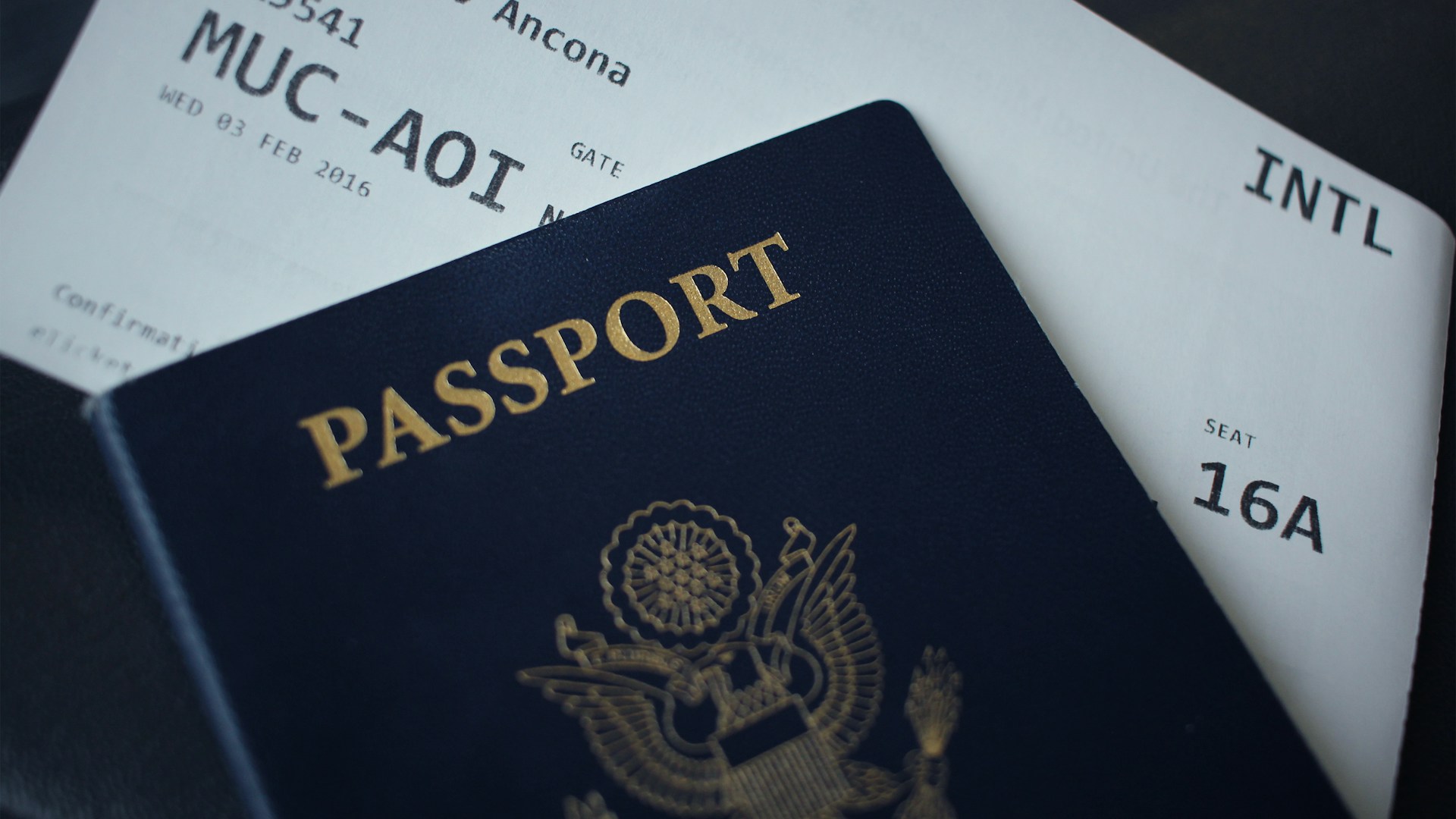
The U.S. passport is on TSA’s list of acceptable IDs for adults. If you have a valid one, it can get you through the checkpoint on a domestic flight even without a REAL ID license. Many people renew a passport for an overseas trip and forget it works at home too.
TSA also says it accepts the listed IDs up to two years after their expiration date. So a passport that lapsed recently may still work for the checkpoint.
2. A U.S. Passport Card
TSA lists the U.S. passport card too. It is the wallet-sized version, which makes it easy to carry and easy to keep with your keys or in a coat pocket.
If you already have one for trips to nearby destinations, you do not need to buy anything else. It sits right on TSA’s acceptable list.
3. A Global Entry, NEXUS, SENTRI Or FAST Card
TSA accepts DHS trusted traveler cards, and it names Global Entry, NEXUS, SENTRI and FAST. Frequent travelers often have one tucked in a wallet without thinking of it as an ID.
Check that yours is current and not just stored in a drawer. If you have used one at a border crossing or customs line, you already know it well.
4. A Department Of Defense ID
The TSA list includes a U.S. Department of Defense ID, including IDs issued to dependents. That is welcome news for service members, retirees and their families.
Keep that card in your travel folder along with your boarding pass. Military families often forget how useful that card is outside the base gate.
5. A Permanent Resident Card
TSA lists the permanent resident card as an acceptable ID. For those who hold a green card, it can serve as the document at the checkpoint.
It is a good reminder that REAL ID rules are about the driver’s license in particular, not about whether you can fly. A license is one option among many, and TSA’s own list shows it.
6. A Veteran Health Identification Card
Here is one that surprises many people. TSA lists the Veteran Health Identification Card (VHIC) among its acceptable IDs.
If you are a veteran who receives care through the VA, check your wallet. That card may be your ticket through the line. It is worth tucking into your travel wallet before the holidays.
7. A State Enhanced Driver’s License Or Enhanced ID
TSA also accepts a state-issued Enhanced Driver’s License (EDL) or Enhanced ID (EID). Only a handful of states issue them, so you will know if you have one, and it often says so right on the card.
A standard license that is not REAL ID-compliant does not count, and TSA says a temporary driver’s license is not acceptable.
8. A Border Crossing Card
The border crossing card is also on TSA’s list. It is another document that may already be in a wallet for someone who travels often across the border, and it is easy to overlook until the day it is needed.
TSA’s page lists many other IDs too, such as tribal photo IDs, a TWIC card and a Canadian provincial driver’s license. If you hold one of those, it is worth a look.
What If You Show Up Without One?
TSA says if you present a non-compliant ID and have no other acceptable ID, you will be told you are non-compliant and may be sent to a separate area for additional screening. This applies to TSA PreCheck passengers too.
If you have no acceptable ID at all, a TSA officer may verify your identity by collecting details such as your name and current address, and you may enter the checkpoint for additional screening. TSA says you will be denied checkpoint entry if you refuse to provide acceptable ID, decline verification, or your identity cannot be confirmed.
The best plan is to pack a backup well ahead of time. TSA says its list can change, so check the TSA website before your trip. A passport tucked in your carry-on can turn a panicked morning into a calm one.
It also helps to take a quick photo of each ID and keep it on your phone, though the real card is what TSA wants to see. Then tell your travel partner where the documents are packed. Good planning is what makes the airport feel easy again.
More Stories You May Like
- Small Ohio Village With A Livestock Auction On One Side Of The Road Has A Buffet On The Other That USA Today Readers Voted Seventh Best In America
- 6 Holiday Flight Booking Mistakes Like Tight Connections, Nonrefundable Fares and Ignoring Winter Weather That Can Wreck Your Whole Trip
- Cooked Rice Left on the Counter Can Carry Bacteria That Survive Cooking and Cause Food Poisoning So Cool It Fast and Refrigerate Within Two Hours