You might have some old pots and pans tucked away that seem perfect for nostalgia or budget cooking. While vintage cookware can be charming, not all of it is safe to use anymore.
Some vintage cookware can pose health risks due to wear, toxic materials, or damage that may expose you to harmful chemicals. Knowing which items to toss helps keep your kitchen safe without sacrificing style.
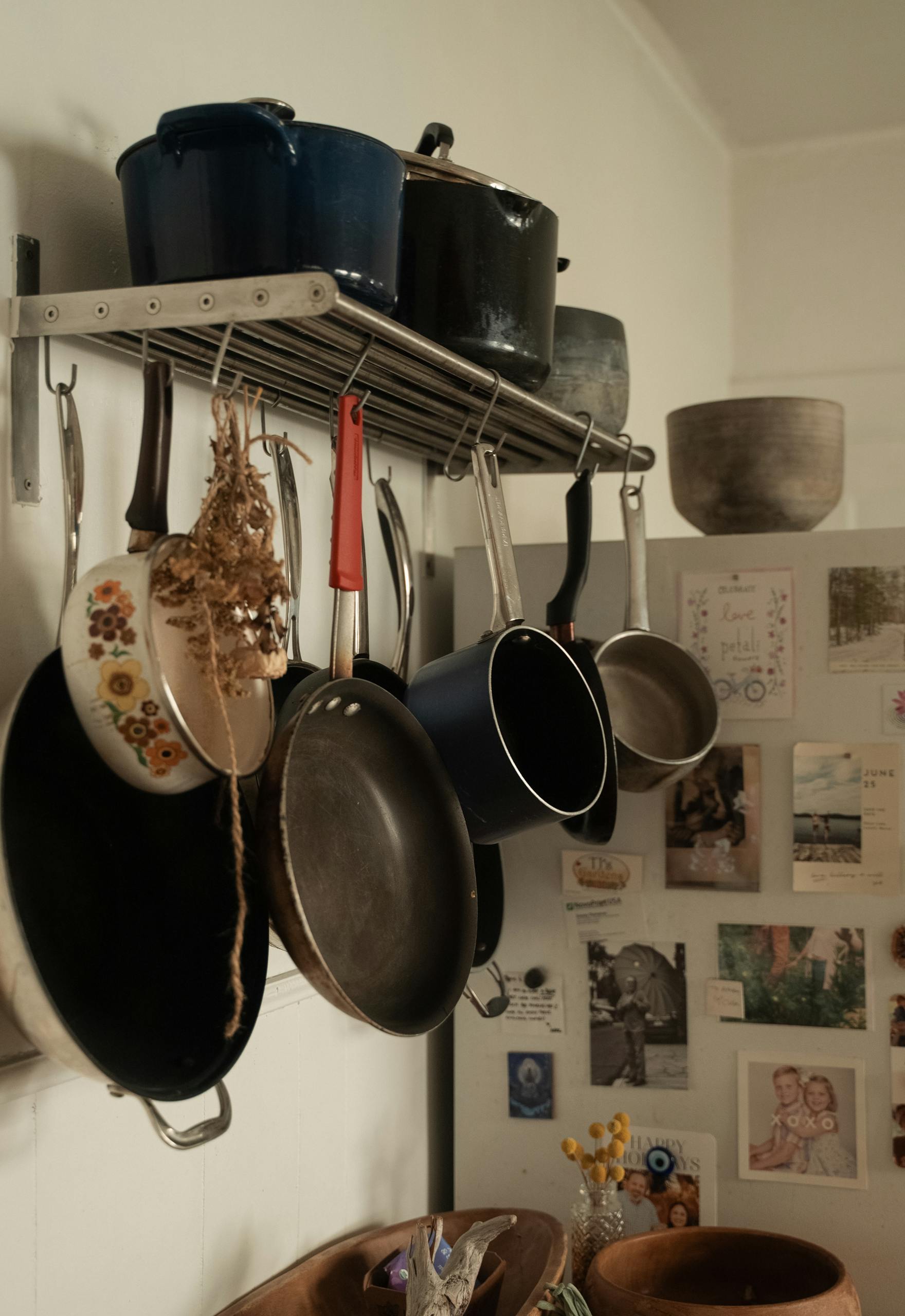
Aluminum alloy pots from India with lead concerns
If you’ve got aluminum alloy pots made in India, especially older ones, it’s worth checking them out. The FDA found several items that may leach lead into your food.
These pots are often made with materials called Hindalium or Indalium, which failed safety tests. Using them could expose you to harmful lead, so it’s safer to toss or replace them.
Pay attention to brand names like Tiger White, as some have been specifically flagged. Your health is worth the simple switch.
Brass frying pans made outside the US
If you have brass frying pans made outside the US, especially from countries like India, you might want to check them carefully. Some have been found to leach lead or other harmful metals over time.
This can be a health risk, especially if the pans show signs of wear or damage. It’s better to avoid using these pans for cooking or switch to safer alternatives. You can find vintage brass pans online, but make sure they come from reliable sources.
Old enamel-coated cookware with chipped surfaces
If your enamel cookware has chips, you might want to think twice before using it. Small chips aren’t always a health risk if the metal underneath isn’t exposed. But once the bare metal shows, especially cast iron, it can react with your food and change the taste.
Using chipped enamel regularly can also lead to more damage since the protective glass coating is compromised. Unless you plan to get it professionally repaired, it might be safer to retire that piece. Your food and cooking experience will thank you.
Vintage non-stick pans with worn Teflon
If your old non-stick pans have scratched or peeling Teflon, it’s time to think twice about using them. Worn coatings can flake off into your food and lose their non-stick properties.
These pans don’t just make cooking harder—they might also release harmful chemicals when overheated. If you spot visible damage, tossing them is the safer move.
Modern non-stick pans use improved materials without many of the risks old Teflon coatings had. Upgrading can save you from potential health issues and give you a better cooking experience.
Antique painted ceramic pots showing lead glaze
If you have antique painted ceramic pots, be careful—they often contain lead glaze. This lead was used for vibrant colors and shiny finishes but can leach into food, especially when the glaze is chipped or worn.
Using these pots for cooking or serving acidic foods can increase the risk. It’s safer to keep these pots for decoration rather than everyday use. Testing for lead is a good idea if you want to be sure about your cookware’s safety.
Old aluminum pressure cookers from abroad
If you’ve got an old aluminum pressure cooker from another country, be cautious. These can sometimes use lower-quality materials or outdated safety features.
They might look charming, but the metal can weaken with age, increasing the risk of leaks or accidents. Plus, replacement parts are often hard to find.
Using one without checking its condition could be risky. If you’re attached to it, at least make sure the seals and valves work properly before you try cooking with it.
Brass tava pans from India
If you have an old brass tava pan from India, it’s worth checking carefully before using it. Brass cookware can look great and last long, but some vintage pieces could contain harmful substances like lead.
Over time, brass may also lose its seasoning or develop damage that affects cooking safety. You want to make sure it doesn’t leach anything into your food. When in doubt, it’s safer to replace it with newer, tested cookware.
Brass pans need regular maintenance, so if yours is worn out, tossing it is often a smart choice.
Cookware with visible corrosion or pitting
If you spot corrosion or pitting on your vintage cookware, it’s a red flag. These tiny holes and rough spots can trap food and bacteria, making it unsafe to cook with.
Pitting is common in stainless steel and cast iron when the surface breaks down over time. Once that happens, cleaning gets tricky, and the cookware might not heat evenly.
You can try restoring some minor damage, but if the corrosion is deep or widespread, it’s better to toss it for your health and safety.
More from Cultivated Comfort:
- 7 Vintage Home Items From the ’60s That Are Collectors’ Dream Finds
- 7 Vintage Home Goods That Became Collectors’ Gold
- 7 Fast-Food Chains That Changed for the Worse
- 7 Frozen Dinners That Were Better Back in the Day

As a mom of three busy boys, I know how chaotic life can get — but I’ve learned that it’s possible to create a beautiful, cozy home even with kids running around. That’s why I started Cultivated Comfort — to share practical tips, simple systems, and a little encouragement for parents like me who want to make their home feel warm, inviting, and effortlessly stylish. Whether it’s managing toy chaos, streamlining everyday routines, or finding little moments of calm, I’m here to help you simplify your space and create a sense of comfort.
But home is just part of the story. I’m also passionate about seeing the world and creating beautiful meals to share with the people I love. Through Cultivated Comfort, I share my journey of balancing motherhood with building a home that feels rich and peaceful — and finding joy in exploring new places and flavors along the way.