

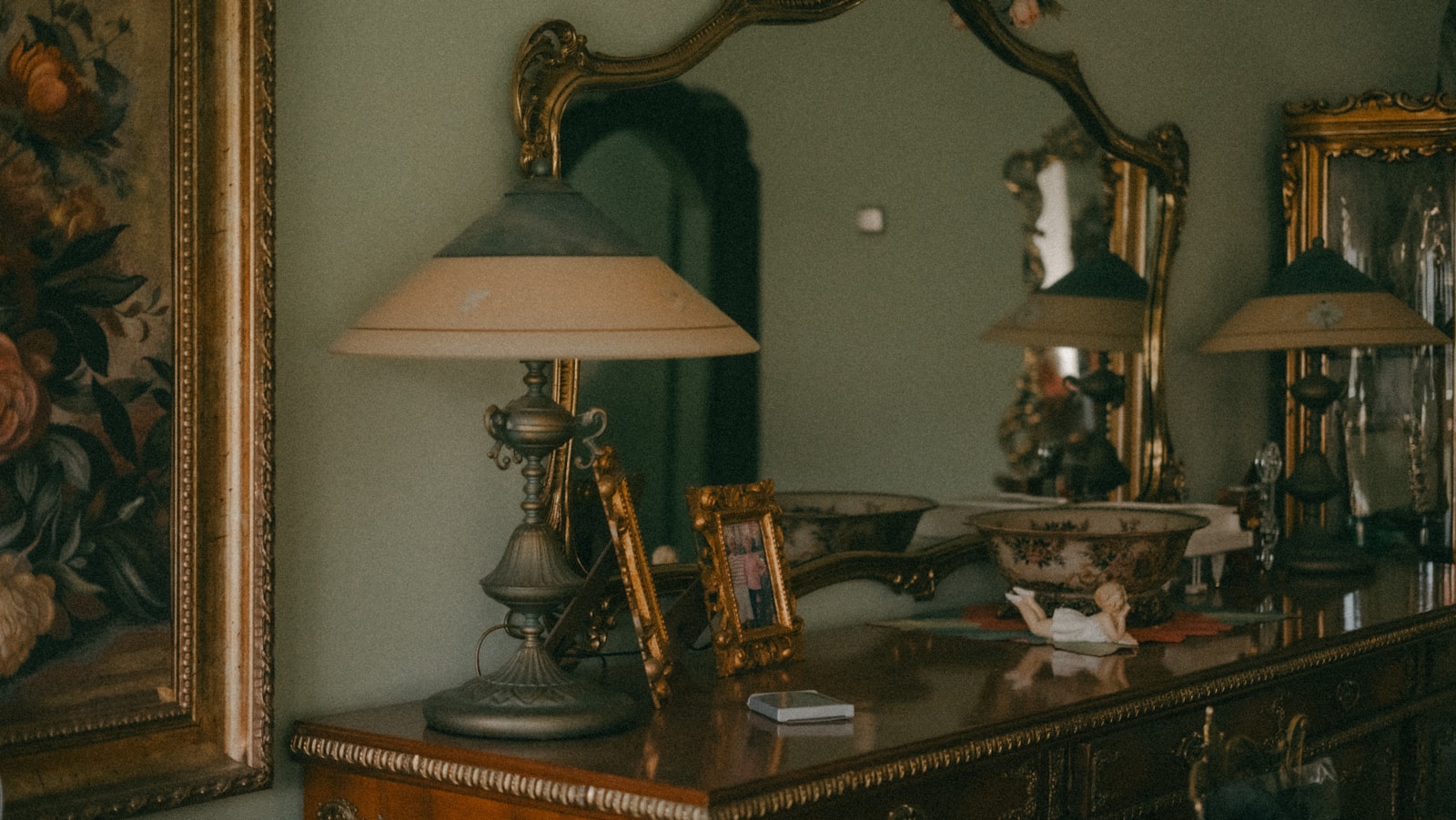
In an unexpected trend, members of Generation Z are increasingly turning to their grandparents’ furniture, seeking vintage pieces that reflect nostalgia and sustainability in their homes. This shift not only highlights a growing appreciation for heirlooms but also underscores a broader cultural movement towards sustainable living and unique personal expression. As young adults navigate a world dominated by fast fashion and mass-produced goods, the allure of distinctive, well-crafted furniture from previous generations is becoming more pronounced.
The Rise of Vintage Aesthetics
Young people today are gravitating towards vintage aesthetics, often characterized by mid-century modern designs, ornate Victorian styles, and rustic farmhouse elements. Social media platforms like Instagram and TikTok have played a significant role in popularizing these unique styles. With hashtags like #VintageFurniture and #GrandmasHouse trending, Gen Z is sharing their finds and showcasing how they incorporate these pieces into their modern living spaces.
The appeal lies not only in the aesthetic but also in the stories and history behind each piece. Many Gen Z individuals find that furniture passed down from grandparents holds sentimental value, making it more than just an item of decor. It serves as a tangible connection to family history, evoking memories and stories that resonate with their identities.
Environmental Consciousness and Sustainability
Alongside the aesthetic appeal, Gen Z is demonstrating a heightened awareness of environmental issues. The fast furniture industry, known for its negative environmental impact, has led many to seek alternatives that are more sustainable. By opting for second-hand or vintage furniture, young consumers aim to reduce waste and promote a circular economy.
This shift aligns with a broader trend of sustainability among younger generations. According to a survey conducted by the Pew Research Center, 70% of Gen Z respondents expressed a strong commitment to environmental issues. Choosing their grandparents’ furniture not only minimizes their carbon footprint but also supports a more sustainable lifestyle that values quality over quantity.
DIY and Personalization
Another factor contributing to this trend is the increasing popularity of DIY projects. Many Gen Z individuals are eager to personalize their living spaces, and what better way to do so than by refurbishing and reimagining their grandparents’ furniture? Whether it’s a fresh coat of paint, new upholstery, or creative modifications, young people are embracing their artistic sides and transforming old pieces into unique statements that reflect their style.
This DIY ethos is also supported by the wealth of online resources available. YouTube tutorials, Pinterest boards, and social media influencers provide endless inspiration and guidance for those looking to breathe new life into vintage furniture. This hands-on approach not only fosters creativity but also allows young people to connect with their heritage in a meaningful way.
Affordability in a Costly Market
As housing costs continue to soar in many urban areas, affordability has become a pressing concern for Gen Z. Vintage furniture often provides a cost-effective solution compared to purchasing new items. Thrift stores, estate sales, and online marketplaces like Facebook Marketplace and Craigslist offer unique finds at a fraction of the cost of modern furniture stores.
With many young adults facing student loans and rising living expenses, the financial appeal of second-hand furniture cannot be overstated. By sourcing their furniture from family or local thrift shops, Gen Z can furnish their homes stylishly without breaking the bank, making it a practical choice as well.
A Cultural Shift Towards Authenticity
This fascination with grandparents’ furniture also reflects a broader cultural shift towards authenticity. In an age dominated by curated online personas, many young people are seeking genuine experiences and items that tell a story. Vintage furniture represents a departure from the cookie-cutter aesthetics of mass-produced items, allowing individuals to showcase their personality and values through their home decor.
As they assemble their living spaces, Gen Z is prioritizing individuality over conformity, leading to a resurgence of eclectic designs that combine old and new elements. The result is a trend that celebrates personal history, creativity, and environmental responsibility.
Conclusion: A Trend with Lasting Implications
The growing obsession with grandparents’ furniture among Gen Z is more than just a passing fad; it represents a shift in values, lifestyle choices, and cultural identity. As they embrace vintage aesthetics, prioritize sustainability, and seek to personalize their spaces, young adults are redefining what it means to create a home. This trend not only honors the craftsmanship and history of past generations but also paves the way for a more sustainable and authentic future in home decor.
As this movement continues to gain momentum, it encourages a deeper appreciation for family heritage and the stories embedded in the furniture we choose to surround ourselves with.

As a mom of three busy boys, I know how chaotic life can get — but I’ve learned that it’s possible to create a beautiful, cozy home even with kids running around. That’s why I started Cultivated Comfort — to share practical tips, simple systems, and a little encouragement for parents like me who want to make their home feel warm, inviting, and effortlessly stylish. Whether it’s managing toy chaos, streamlining everyday routines, or finding little moments of calm, I’m here to help you simplify your space and create a sense of comfort.
But home is just part of the story. I’m also passionate about seeing the world and creating beautiful meals to share with the people I love. Through Cultivated Comfort, I share my journey of balancing motherhood with building a home that feels rich and peaceful — and finding joy in exploring new places and flavors along the way.