Homeowners and interior designers alike are expressing regret over the once-popular trend of white kitchens, citing practical concerns and changing aesthetic preferences. This shift is significant as it reflects broader trends in home design and the evolving needs of families and individuals who prioritize both functionality and warmth in their living spaces.
The Rise and Fall of White Kitchens
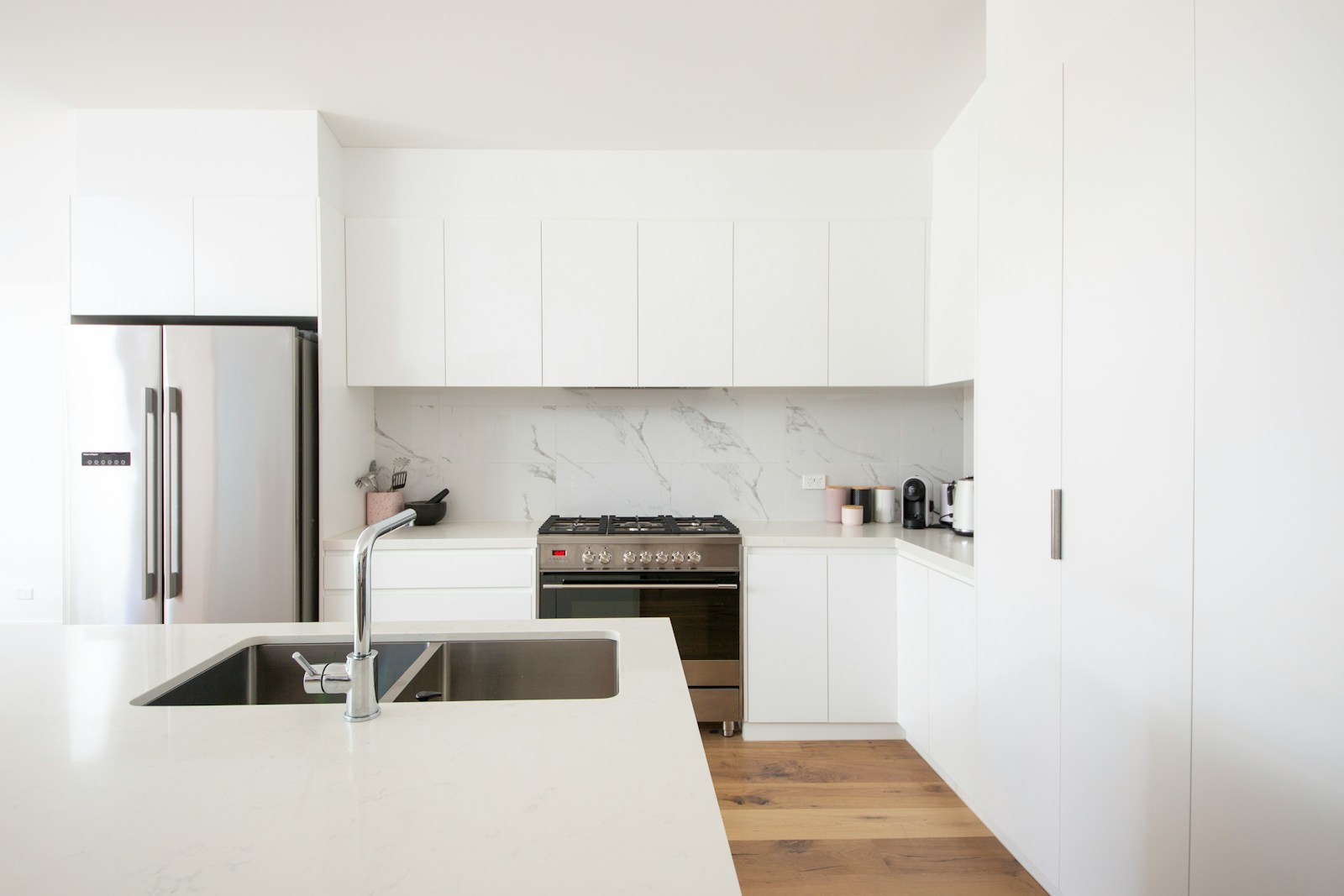
White kitchens surged in popularity during the late 2010s, often hailed for their clean and modern aesthetic. They became a staple in home renovation shows and magazines, embodying a minimalist style that appealed to many homeowners. However, as tastes evolve and practical living considerations come to the forefront, there is a growing backlash against this once-coveted kitchen design.
Maintenance Concerns
One of the primary reasons homeowners are turning away from white kitchens is the high maintenance they require. White surfaces, whether they be cabinets, countertops, or tiles, tend to show dirt, stains, and wear much more easily than darker or more colorful alternatives. For families with children or pets, the constant upkeep can be exhausting and frustrating, leading many to reconsider their design choices.
Moreover, scratches and scuffs on white surfaces are often more noticeable, making it difficult to maintain a pristine appearance over time. As families seek more practical and durable options, the desire for low-maintenance designs is increasingly influencing kitchen renovations.
Changing Aesthetic Preferences
Beyond maintenance, there is a noticeable shift in aesthetic preferences. Homeowners are now gravitating towards warmer tones, natural materials, and more vibrant colors that create a sense of comfort and coziness. Darker woods, rich hues, and mixed materials are becoming popular, as they provide a stark contrast to the sterile feel that many white kitchens can evoke.
Design experts suggest that this trend towards warmer aesthetics is also a reaction to the increasing time people are spending at home, especially post-pandemic. Many individuals are looking for spaces that feel inviting and lived-in, as opposed to the clinical appearance that white kitchens can sometimes project.
Environmental Considerations
In addition to aesthetic and practical concerns, environmental considerations are also influencing the backlash against white kitchens. As sustainability becomes a priority for many homeowners, there is a growing interest in using materials that are not only durable but also environmentally friendly. This shift often leads to the selection of materials that offer more color and texture, moving away from the starkness of white.
Homeowners are increasingly choosing to incorporate reclaimed wood, recycled materials, and other sustainable options into their kitchen designs. These materials often come in a variety of colors and finishes, allowing for a more personalized and eco-conscious approach to home renovation.
Market Trends and Real Estate Implications
The changing preferences for kitchen designs are also affecting the real estate market. Homes featuring white kitchens may not command the same premium prices they once did, as buyers look for properties that reflect their personal styles and practical needs. Real estate agents are noting that homes with warmer, more inviting kitchens tend to attract more interest and can sell faster.
As the market adapts to these new trends, sellers are advised to consider updating their kitchen designs to align with current buyer preferences. This can not only enhance the appeal of the home but also potentially increase its market value.
Conclusion: A New Era for Kitchen Design
As homeowners and designers reassess their choices, the trend away from white kitchens appears to be more than a passing phase. With practical concerns about maintenance, a shift in aesthetic preferences towards warmth and comfort, and a growing emphasis on sustainability, the kitchen of the future is likely to reflect these evolving values.
For anyone considering a kitchen renovation, it may be worth exploring options that prioritize durability and comfort over the clean, white aesthetic that dominated the past decade. Embracing color, texture, and practicality can create a space that not only meets the needs of daily life but also feels like a true home.

As a mom of three busy boys, I know how chaotic life can get — but I’ve learned that it’s possible to create a beautiful, cozy home even with kids running around. That’s why I started Cultivated Comfort — to share practical tips, simple systems, and a little encouragement for parents like me who want to make their home feel warm, inviting, and effortlessly stylish. Whether it’s managing toy chaos, streamlining everyday routines, or finding little moments of calm, I’m here to help you simplify your space and create a sense of comfort.
But home is just part of the story. I’m also passionate about seeing the world and creating beautiful meals to share with the people I love. Through Cultivated Comfort, I share my journey of balancing motherhood with building a home that feels rich and peaceful — and finding joy in exploring new places and flavors along the way.