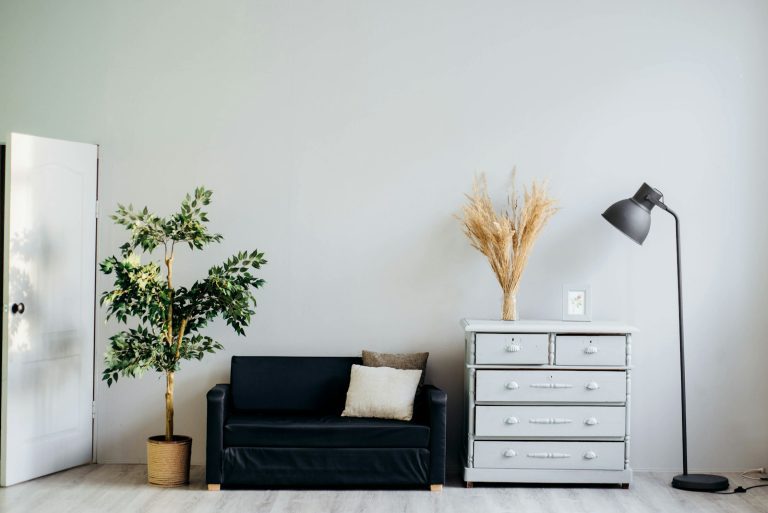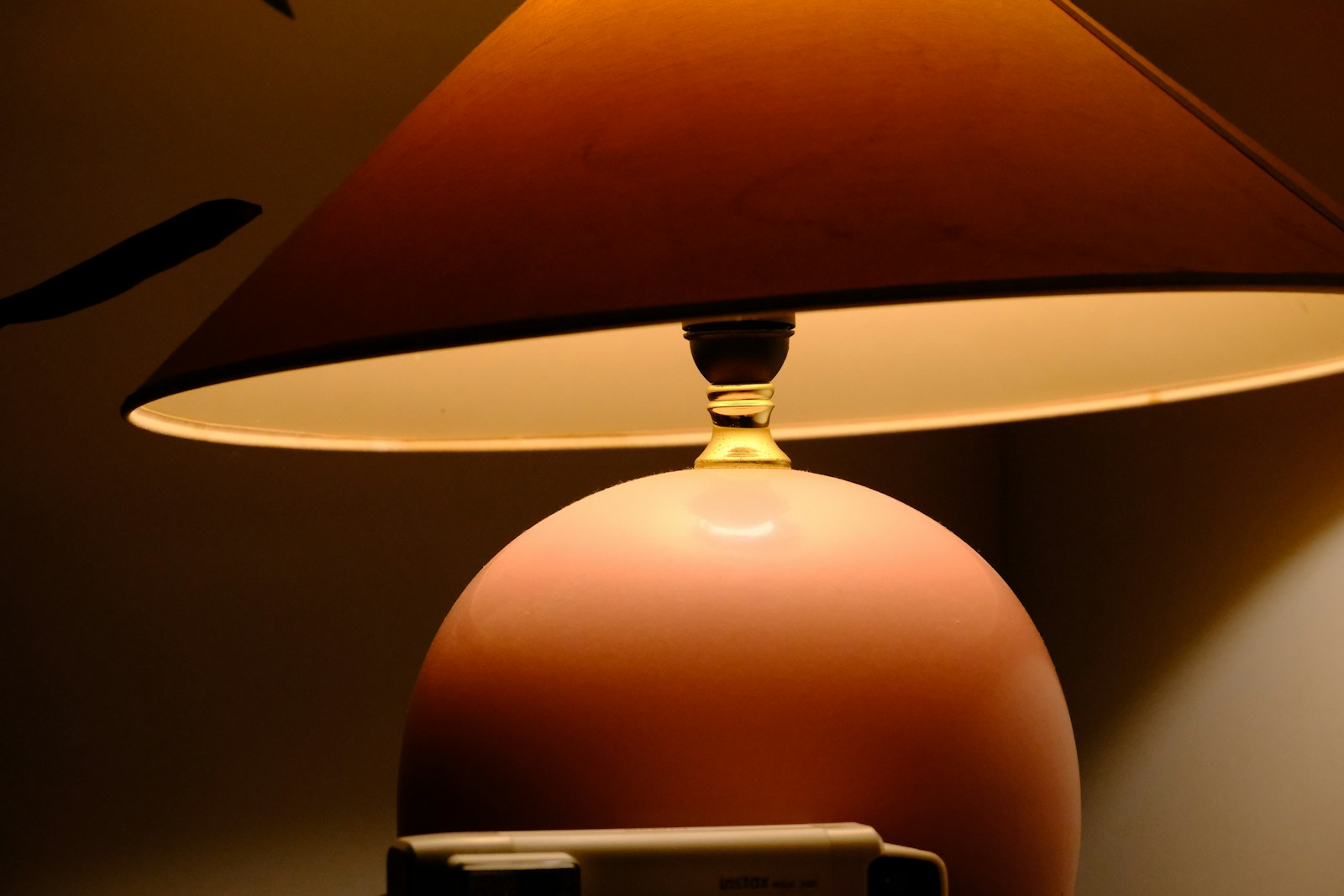
As Gen Z continues to shape trends in home decor, a peculiar phenomenon has emerged: the rise of “ugly lamps” that are being embraced as an essential part of their aesthetic. This trend not only reflects the unique tastes of this generation, but also underscores a broader cultural shift toward individuality and self-expression in decor choices. Understanding why these unconventional lighting fixtures are gaining popularity can shed light on the values and priorities of today’s youth.
The Appeal of the “Ugly” Aesthetic
At the heart of the trend is the concept of “ugly aesthetic,” which embraces items that are intentionally unrefined, quirky, or even clumsy in design. These lamps often feature bold colors, odd shapes, and unconventional materials that defy traditional notions of beauty. For many Gen Z consumers, these unique pieces serve as a statement against the polished and curated look that has dominated the home decor market for years.
“I love the idea of surrounding myself with things that reflect my personality, even if they aren’t conventionally pretty,” says Emily Tran, a 22-year-old college student and avid lamp collector. “Ugly lamps have character, and they tell a story.” This sentiment resonates widely among peers, making the trend not just a fashion statement but a form of self-expression.
Social Media Influence
Social media platforms, particularly TikTok and Instagram, play a crucial role in popularizing the ugly lamp trend. Influencers and content creators frequently showcase their unique home decor choices, elevating the appeal of items that may have previously been overlooked. Videos featuring quirky lamps often go viral, encouraging viewers to embrace their own tastes, no matter how unconventional they may seem.
Hashtags like #uglylamp and #aestheticlamp are gaining traction, with users sharing their finds and decorating tips. This online community fosters a sense of belonging among Gen Z, who are eager to connect with others who appreciate the same offbeat style. “It’s like a movement,” says Tran. “We’re all in this together, celebrating what makes each of us unique.”
Environmental and Economic Considerations
Beyond aesthetic preferences, there are practical reasons behind the popularity of ugly lamps. Many Gen Z consumers are increasingly conscious of sustainability and the environmental impact of their purchases. Vintage and thrifted items, often seen as “ugly,” are more commonly chosen as they offer a sustainable alternative to new products. These lamps are often sourced from thrift stores, garage sales, or online marketplaces, aligning with the values of eco-friendliness and reducing waste.
Moreover, purchasing second-hand items can be significantly more affordable, making it easier for young people to express their individuality without breaking the bank. “I love going to thrift stores and finding something that nobody else has,” says 20-year-old Alex Rivera. “It feels good to save money and be kind to the planet at the same time.”
The Psychological Impact of Personalization
The shift toward embracing “ugly” home decor may also reflect deeper psychological needs. In a world that often feels chaotic and uncertain, personalizing one’s space with unique items can foster a sense of control and comfort. For many young people, their living environment becomes a sanctuary, and the items within it serve as reminders of their identity and experiences.
“When I look at my room, it feels like a reflection of who I am,” notes Rivera. “Each lamp has a memory attached to it, and that makes it special, even if it’s not perfect.” This emotional connection to decor highlights the importance of creating spaces that resonate with personal stories and experiences.
Criticism and the Debate on Aesthetics
While the ugly lamp trend has garnered a large following, not everyone is on board. Critics argue that some designs are simply unappealing and detract from the overall aesthetic of a space. Home decor enthusiasts who favor minimalism and sleek designs often express confusion over the trend, questioning why anyone would choose to display items they deem unattractive.
However, proponents of the ugly lamp trend counter that beauty is subjective and that decor should reflect individuality rather than conform to societal standards. “What’s ugly to one person might be beautiful to another,” Tran explains. “It’s all about perspective.” This ongoing debate speaks to a larger conversation about the nature of aesthetics and how they evolve over time.

As a mom of three busy boys, I know how chaotic life can get — but I’ve learned that it’s possible to create a beautiful, cozy home even with kids running around. That’s why I started Cultivated Comfort — to share practical tips, simple systems, and a little encouragement for parents like me who want to make their home feel warm, inviting, and effortlessly stylish. Whether it’s managing toy chaos, streamlining everyday routines, or finding little moments of calm, I’m here to help you simplify your space and create a sense of comfort.
But home is just part of the story. I’m also passionate about seeing the world and creating beautiful meals to share with the people I love. Through Cultivated Comfort, I share my journey of balancing motherhood with building a home that feels rich and peaceful — and finding joy in exploring new places and flavors along the way.