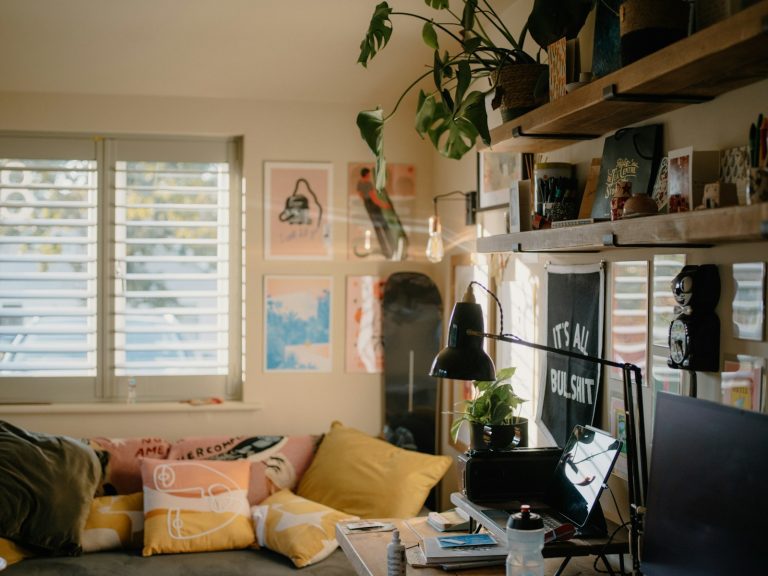
Recent studies indicate that nearly 70% of millennials struggle to keep houseplants alive, highlighting a growing concern about plant care among this generation. As many young adults turn to indoor gardening for both aesthetic and mental health benefits, the inability to sustain even the hardiest of houseplants raises questions about lifestyle habits, environmental factors, and the pressures of modern living.
Understanding the Millennial Plant Care Crisis
Millennials, born between 1981 and 1996, often cite busy lifestyles as a primary reason for their struggles with houseplant care. Many are navigating demanding careers, balancing multiple jobs, or pursuing higher education, leaving little time for nurturing plants. Additionally, the rise of remote work has resulted in many millennials living in smaller spaces with limited natural light, creating less-than-ideal conditions for plant growth.
Moreover, the COVID-19 pandemic intensified these challenges. As people spent more time indoors, the desire for greenery surged, leading to a spike in houseplant purchases. Unfortunately, the enthusiasm was often met with a lack of knowledge on proper care, resulting in a grim fate for many of these plants. This trend has been documented in various surveys and studies, painting a clear picture of a generation eager for greenery but ill-equipped to maintain it.
Environment and Lifestyle Factors
One major environmental factor affecting plant care is urban living, which is prevalent among millennials. Many young adults reside in apartments or homes with limited access to sunlight, a crucial element for plant health. Without adequate light, even low-maintenance plants like pothos or snake plants can struggle, leading to frustration and disappointment for their owners.
Additionally, millennials often experience financial constraints that prevent them from investing in proper gardening supplies. Quality soil, pots with drainage, and fertilizers can be costly, discouraging some from pursuing their plant parenting ambitions. The financial burden, coupled with time constraints and space limitations, creates an uphill battle for maintaining houseplants.
The Rise of Instant Gratification
Another contributing factor to the plant care crisis among millennials is the culture of instant gratification. Growing up in the digital age, many millennials are accustomed to quick results and immediate satisfaction, often leading to impatience when dealing with living things that require time and nurturing. Unlike a social media post that can garner immediate likes, a houseplant’s growth is a slow process that demands dedication and care.
This mindset can lead to a cycle of purchasing new plants, only to neglect them due to lack of commitment or understanding. As plants wilt or die, the cycle continues, resulting in a collection of dead foliage rather than thriving greenery. Experts suggest that this pattern not only reflects a broader societal issue but also points to a need for education and resources to help millennials succeed in their plant care endeavors.
Education and Resources for Better Plant Care
Fortunately, there are numerous resources available to help millennials become more successful plant parents. Online platforms, social media groups, and local workshops provide accessible information on plant care, which can significantly improve survival rates for houseplants. From basic watering techniques to understanding light requirements, education is key to overcoming the challenges of houseplant ownership.
Additionally, many millennials are turning to technology for help. Smart plant care devices, such as moisture meters and grow lights, are increasingly popular among young plant enthusiasts. These tools can help monitor the specific needs of a plant, making the care process less daunting and more manageable.
Community and Support Networks
Another effective strategy is fostering community and support networks among plant lovers. Many cities have established plant swap events where individuals can exchange plants, share tips, and build camaraderie. These gatherings not only promote plant care knowledge but also create a sense of belonging among participants, which can be particularly beneficial for millennials seeking connection in a fast-paced world.
Social media platforms like Instagram and TikTok have also become hubs for plant care enthusiasts, where users can share their successes and failures. These online communities provide a space for learning and encouragement, helping millennials feel less isolated in their struggles. With the right support and resources, many are finding success in their plant care journeys.
Conclusion
The struggles millennials face in keeping houseplants alive reflect a combination of environmental challenges, lifestyle factors, and a cultural tendency towards instant gratification. However, with increasing access to education, technology, and community support, there is hope for a greener future. As this generation continues to explore their love for plants, a concerted effort towards learning and connecting can transform their living spaces into thriving green sanctuaries.
For millennials eager to cultivate their indoor gardens, the journey may be fraught with challenges

As a mom of three busy boys, I know how chaotic life can get — but I’ve learned that it’s possible to create a beautiful, cozy home even with kids running around. That’s why I started Cultivated Comfort — to share practical tips, simple systems, and a little encouragement for parents like me who want to make their home feel warm, inviting, and effortlessly stylish. Whether it’s managing toy chaos, streamlining everyday routines, or finding little moments of calm, I’m here to help you simplify your space and create a sense of comfort.
But home is just part of the story. I’m also passionate about seeing the world and creating beautiful meals to share with the people I love. Through Cultivated Comfort, I share my journey of balancing motherhood with building a home that feels rich and peaceful — and finding joy in exploring new places and flavors along the way.