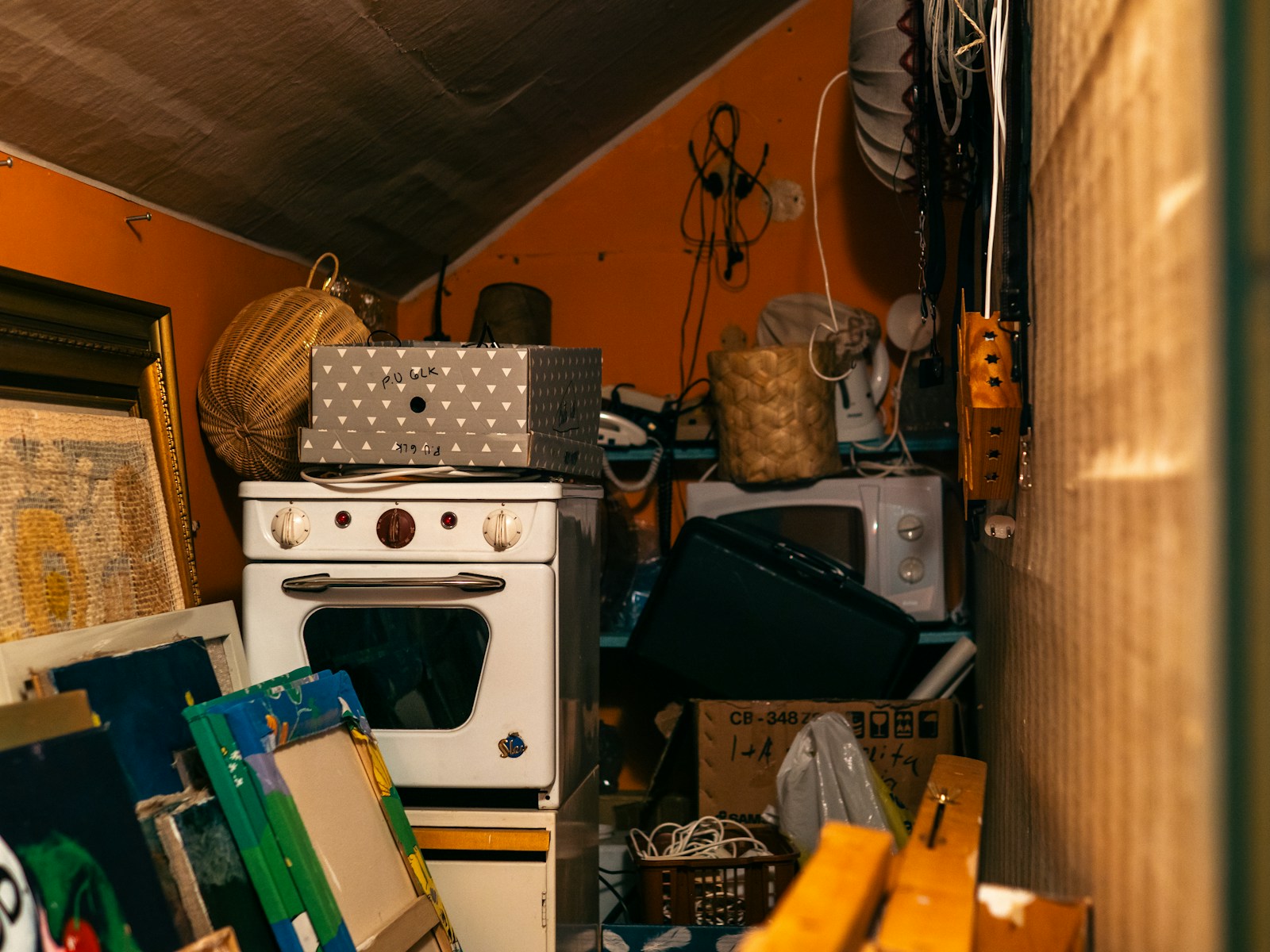
As minimalism sweeps through popular culture, Generation X is holding onto their belongings unlike their millennial and Gen Z counterparts, sparking a conversation about the emotional and cultural significance of stuff. This demographic, born between 1965 and 1980, is increasingly resistant to the decluttering trends made famous by figures like Marie Kondo. Their reluctance to part with possessions isn’t just a matter of clutter; it reflects deeper values and life experiences that shape their approach to material goods.
The Emotional Attachment to Possessions
For many Gen Xers, their belongings carry profound sentimental value. Growing up in a time marked by economic uncertainty and shifting family dynamics, they often associate physical items with memories and milestones. “Each item has a story,” explains Dr. Linda Hartman, a psychologist specializing in generational behaviors. “For Gen X, these possessions are not just things; they represent their identity and experiences.” This emotional connection makes it difficult for them to embrace the minimalist lifestyle that younger generations are promoting.
The Influence of Economic Conditions
Economic factors also play a crucial role in Gen X’s reluctance to declutter. Many members of this generation have faced significant financial challenges, including the dot-com bust and the Great Recession. As a result, they often view their belongings as assets that can provide security during tough times. “We learned to value what we have because we know how quickly things can change,” says Amy, a 48-year-old marketing professional. This mindset leads them to hold onto items that younger generations might consider disposable.
Contrasting Values with Millennials and Gen Z
While millennials and Gen Z emphasize experiences over possessions, Gen X tends to appreciate a balance between the two. They are often sandwiched between aging parents and their own children, leading to a unique perspective on material goods. “Gen Xers are often caretakers,” notes sociologist Mark Thompson. “They tend to keep items not just for themselves, but for their families and future generations.” This multi-generational approach to belongings contrasts sharply with the more transient lifestyles favored by younger cohorts.
Social Media’s Role in Changing Perspectives
Social media has amplified the decluttering trend, especially among younger generations who share their minimalist journeys online. Platforms like Instagram and TikTok showcase the beauty of tidy spaces and the benefits of living with less. However, Gen Xers often view these trends with skepticism, interpreting them as fleeting fads rather than sustainable lifestyles. “I don’t want to throw away things that have meaning just because it’s trendy,” says Karen, a 45-year-old mother of two. This skepticism highlights a broader generational divide in the perception of material possessions.
Practical Challenges of Decluttering
Beyond emotional and cultural factors, practical challenges also hinder Gen X’s decluttering efforts. Many are juggling careers, parenting, and caring for aging parents, leaving them little time to sort through belongings. “The idea of decluttering feels overwhelming,” admits Tom, a 50-year-old engineer. “It’s not just about getting rid of stuff; it’s about making decisions in the midst of a busy life.” This reality often makes decluttering feel less like a fulfilling endeavor and more like a daunting chore.
Finding a Middle Ground
Rather than completely rejecting the idea of decluttering, many Gen Xers are seeking a middle ground. They are finding ways to simplify their lives without losing the sentimental value of their possessions. Some are adopting a “one in, one out” policy, where they only bring new items into their homes if they are willing to let go of something else. Others are focusing on digital decluttering, such as organizing photos and documents, to create a sense of order without parting with cherished items.
Conclusion: A Unique Perspective on Materialism
As decluttering trends continue to dominate conversations around lifestyle choices, Generation X’s reluctance to conform is rooted in a complex web of emotional, cultural, and practical factors. Their experiences have shaped a unique perspective on materialism that prioritizes sentiment over simplicity. Understanding this generational stance not only sheds light on their behaviors but also highlights the importance of valuing personal history and emotional connections in a world increasingly obsessed with minimalism. As society continues to evolve, it will be interesting to see how Gen X navigates the balance between keeping their treasures and adapting to changing lifestyles.

As a mom of three busy boys, I know how chaotic life can get — but I’ve learned that it’s possible to create a beautiful, cozy home even with kids running around. That’s why I started Cultivated Comfort — to share practical tips, simple systems, and a little encouragement for parents like me who want to make their home feel warm, inviting, and effortlessly stylish. Whether it’s managing toy chaos, streamlining everyday routines, or finding little moments of calm, I’m here to help you simplify your space and create a sense of comfort.
But home is just part of the story. I’m also passionate about seeing the world and creating beautiful meals to share with the people I love. Through Cultivated Comfort, I share my journey of balancing motherhood with building a home that feels rich and peaceful — and finding joy in exploring new places and flavors along the way.