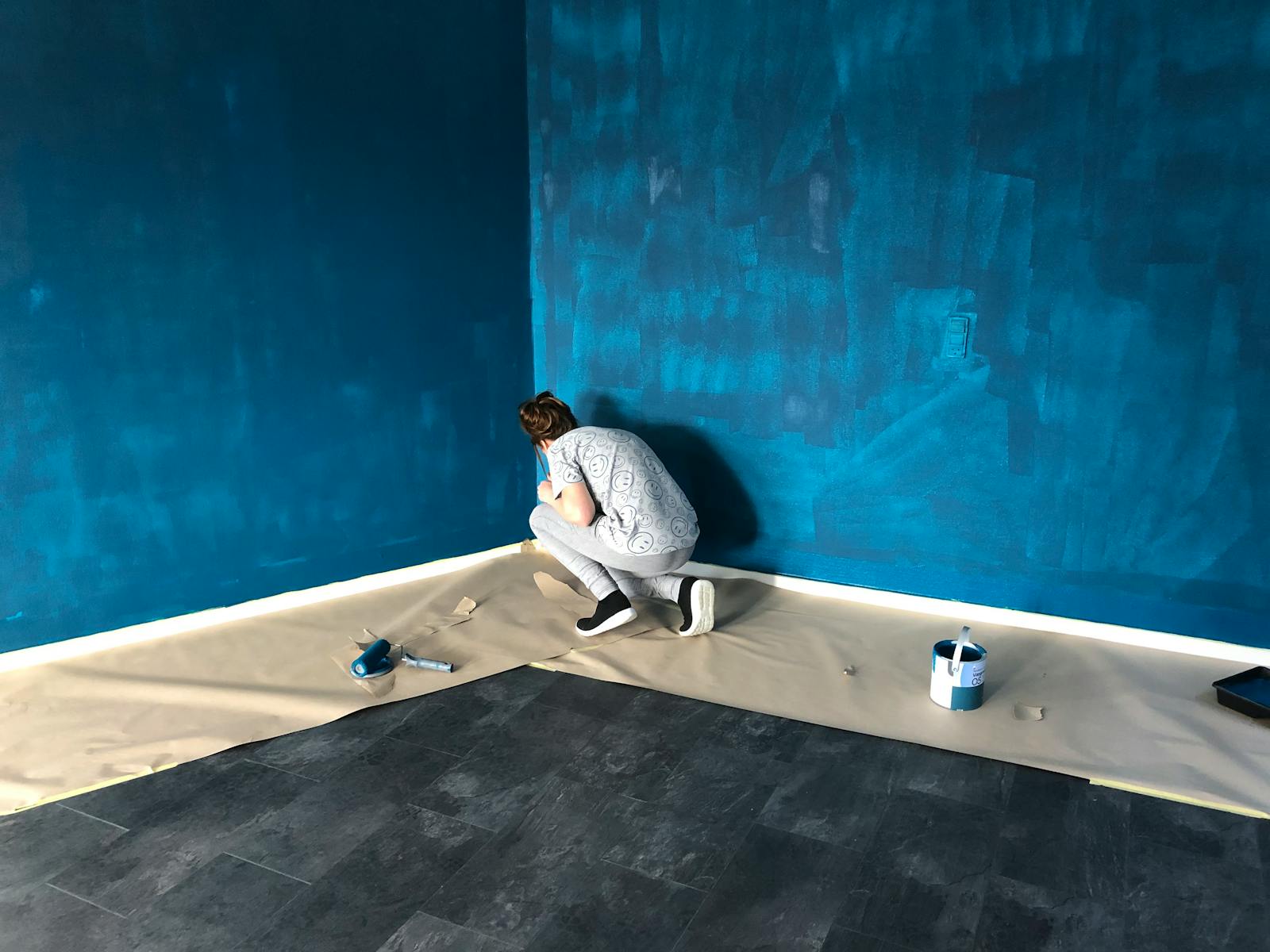
Individuals who frequently change the colors of their walls may be expressing deeper emotional currents that reflect their inner lives. This phenomenon affects a diverse group, from homeowners to renters, and understanding these hidden emotions can shed light on the motivations behind this seemingly whimsical habit. The connection between color choices and emotional states is significant, revealing insights into personal well-being and self-expression.
The Psychology of Color
Color psychology suggests that different hues can evoke specific feelings and behaviors. Warm colors like red and orange can energize and stimulate, while cooler shades like blue and green often promote calmness and relaxation. For those who find themselves constantly repainting their walls, the choice of color may serve as a reflection of their emotional state, signaling a desire for change, stability, or even escapism.
Emotional Triggers Behind Frequent Repainting
Frequent repainters often experience a range of emotions that drive their choices. Many report feelings of anxiety or restlessness, prompting them to alter their environment in search of comfort. For some, the act of painting can be a therapeutic release, offering a tangible way to manage feelings of uncertainty or dissatisfaction in their lives.
Moreover, those who have recently undergone significant life changes—such as moving to a new city, changing jobs, or ending relationships—may find themselves instinctively reaching for paintbrushes. The act of changing their surroundings can symbolize a fresh start, allowing them to reclaim their space and assert control over their lives.
Seeking Identity Through Color
For many, the colors chosen for their walls represent personal identity and self-expression. Individuals may gravitate toward specific palettes that resonate with their personalities or current moods. A bright yellow may signify optimism, while deep green might reflect a longing for tranquility. This process of selecting and altering wall colors can serve as an exploration of self, revealing underlying emotions that may not always be apparent in day-to-day interactions.
In essence, the colors people choose to surround themselves with may act as a canvas for their inner thoughts and feelings. By frequently changing these colors, they may be attempting to communicate their evolving identities to themselves and others.
Consequences of Constant Change
While changing wall colors can be a form of self-expression, it can also lead to feelings of instability. Constantly altering one’s environment may contribute to a sense of unease, particularly if the changes do not yield the desired emotional relief. This cycle can create a feedback loop, where the individual feels compelled to paint again in search of solace, yet finds only temporary satisfaction.
Additionally, the financial implications of regular repainting can add to the emotional burden. The cost of paint and materials, coupled with the time and effort required for application, may lead to stress if the changes do not result in lasting happiness. For some, this translates to feelings of guilt or frustration, further complicating their emotional landscape.
Finding Balance in Color Choices
Understanding the reasons behind frequent wall color changes can help individuals find a healthier balance in their emotional lives. Rather than viewing painting as a quick fix, it may be beneficial to explore the root causes of their feelings. Engaging in activities like journaling or speaking with a mental health professional can provide insights into the emotions driving this behavior.
Moreover, establishing a more stable color scheme that reflects a desired mood could reduce the impulse to repaint frequently. By selecting colors that promote lasting comfort and joy, individuals may find a sense of peace in their surroundings, alleviating the need for constant change.
Community and Connection Through Color
Interestingly, the trend of changing wall colors can foster community connections, as individuals share their experiences and color choices with others. Social media platforms have become a space for people to showcase their vibrant walls, leading to discussions about the emotions behind their choices. This shared experience can create a sense of belonging and validation, allowing individuals to feel understood and supported in their emotional journeys.
Home improvement groups and workshops also provide avenues for those who frequently paint to connect with like-minded individuals. These interactions can lead to discussions about emotional well-being and coping strategies, highlighting the importance of community support in navigating personal challenges.

As a mom of three busy boys, I know how chaotic life can get — but I’ve learned that it’s possible to create a beautiful, cozy home even with kids running around. That’s why I started Cultivated Comfort — to share practical tips, simple systems, and a little encouragement for parents like me who want to make their home feel warm, inviting, and effortlessly stylish. Whether it’s managing toy chaos, streamlining everyday routines, or finding little moments of calm, I’m here to help you simplify your space and create a sense of comfort.
But home is just part of the story. I’m also passionate about seeing the world and creating beautiful meals to share with the people I love. Through Cultivated Comfort, I share my journey of balancing motherhood with building a home that feels rich and peaceful — and finding joy in exploring new places and flavors along the way.