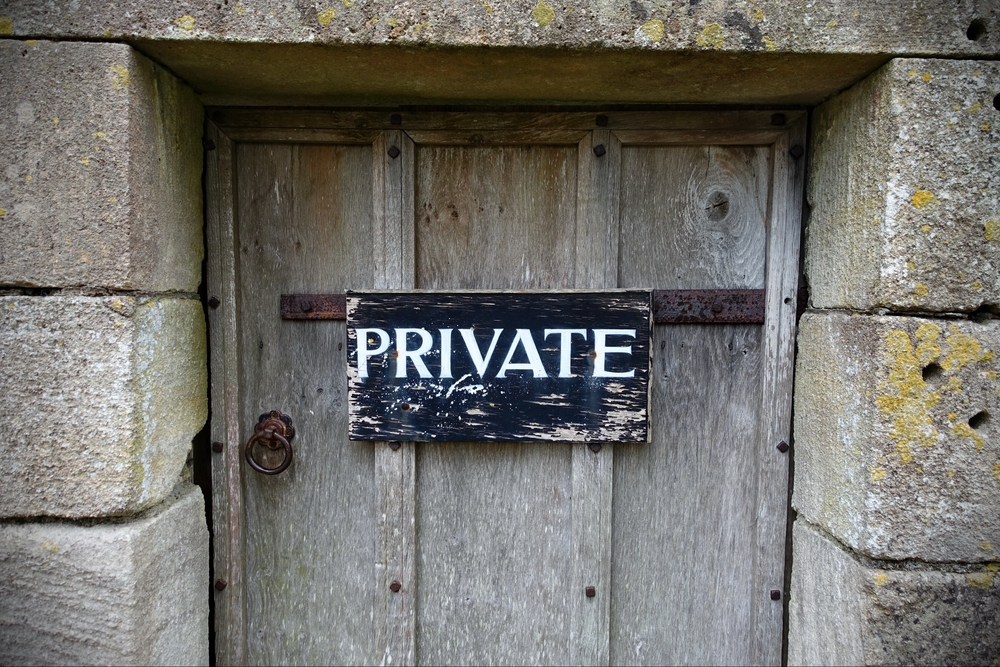
New research suggests that the spaces we choose to keep off-limits in our homes can reveal significant personality traits and behavioral patterns. Understanding these hidden aspects can be crucial for personal growth and improving interpersonal relationships. The implications of this study extend beyond mere curiosity, impacting how we perceive ourselves and how others perceive us.
The Psychology of Home Spaces
Homes are more than just physical structures; they serve as reflections of our inner selves. Psychologists emphasize that the way we organize our living spaces can indicate our emotional states and personality traits. For instance, a cluttered room may suggest a chaotic mind, while a meticulously organized area could hint at a high level of conscientiousness.
In a recent study, researchers from the University of Wyoming analyzed how individuals use their living spaces and the implications of designating certain areas as off-limits. The findings indicate that these choices can be strongly tied to personal identity, emotional well-being, and even social interactions.
1. The Need for Control
One of the primary traits revealed by off-limits rooms is a strong need for control. Individuals who restrict access to certain spaces may be trying to maintain order in their lives. This behavior often surfaces in people who feel overwhelmed by external circumstances and seek to create a sanctuary where they can feel secure.
2. Privacy and Introversion
Another significant trait associated with off-limits areas is introversion. Those who prefer to keep certain rooms private often value solitude and personal space. This behavior is not necessarily negative; it can indicate a deep appreciation for introspection and self-reflection, traits that are often found in creative individuals.
3. Emotional Baggage
Rooms that are rarely entered can also suggest unresolved emotional issues. If an individual avoids a space linked to difficult memories, it may indicate that they are struggling to confront past traumas. Understanding this tendency can be the first step toward healing, as acknowledging these feelings is essential for emotional growth.
4. Perfectionism
Perfectionism often manifests in the desire to keep certain rooms pristine and off-limits. Individuals with this trait may avoid allowing others into these spaces to preserve their idealized vision of how things should look. This behavior can be a double-edged sword; while it may yield impressive results, it can also lead to stress and anxiety over maintaining those standards.
5. Fear of Judgment
The fear of judgment is another trait that can be uncovered by examining off-limits spaces. People who are concerned about how others perceive them may choose to hide areas of their home that don’t meet societal expectations. This behavior reveals a vulnerability to external opinions and a desire for social acceptance, which can influence their overall self-esteem.
6. Sense of Ownership
Keeping certain rooms off-limits can also signify a strong sense of ownership and independence. Individuals who designate specific areas as personal spaces often seek to establish boundaries, which is crucial for asserting their autonomy. This behavior indicates a desire for control over one’s environment, reflecting a confident personality that values personal space.
7. The Need for Sanctuary
Finally, an off-limits room can signify a need for sanctuary. People often create safe havens within their homes to escape from the hustle and bustle of daily life. This need for a personal retreat can reveal a desire for peace, tranquility, and emotional restoration, highlighting the importance of self-care in maintaining mental health.
Implications for Personal Growth
Recognizing the traits associated with off-limits rooms can serve as a valuable tool for personal growth. By understanding these behaviors, individuals can work to address underlying issues that affect their well-being. For example, someone who realizes they keep a room off-limits due to emotional baggage might seek therapy or engage in self-reflection to work through those feelings.
Additionally, awareness of these traits can enhance interpersonal relationships. By understanding why someone prefers to keep certain areas private, friends and family can approach them with greater empathy and support. This understanding can foster deeper connections and create a more accepting environment.
Conclusion
In summary, the spaces we choose to keep off-limits in our homes can provide profound insights into our personalities and emotional states. From a need for control to a desire for privacy, these traits shape our interactions with ourselves and others. As we continue to explore the psychological implications of our living environments, we can take steps toward personal growth and enhanced relationships.

As a mom of three busy boys, I know how chaotic life can get — but I’ve learned that it’s possible to create a beautiful, cozy home even with kids running around. That’s why I started Cultivated Comfort — to share practical tips, simple systems, and a little encouragement for parents like me who want to make their home feel warm, inviting, and effortlessly stylish. Whether it’s managing toy chaos, streamlining everyday routines, or finding little moments of calm, I’m here to help you simplify your space and create a sense of comfort.
But home is just part of the story. I’m also passionate about seeing the world and creating beautiful meals to share with the people I love. Through Cultivated Comfort, I share my journey of balancing motherhood with building a home that feels rich and peaceful — and finding joy in exploring new places and flavors along the way.