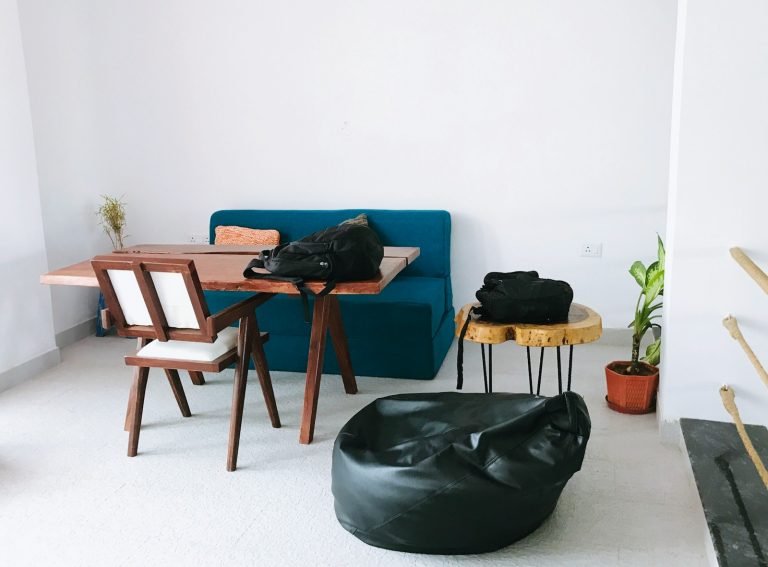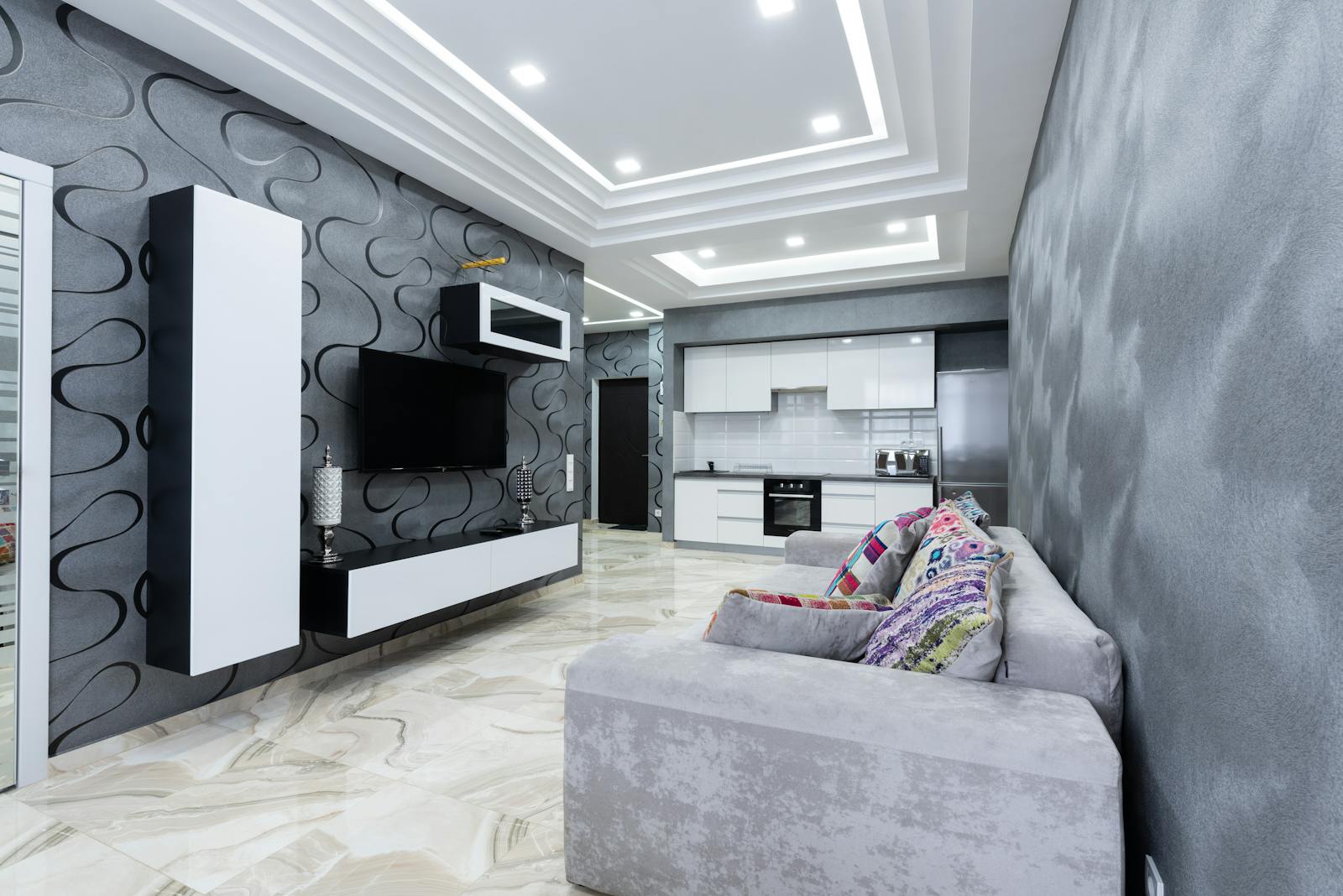
The ongoing debate about open floor plans in homes and workplaces has revealed that many individuals who dislike these layouts may possess specific psychological needs that influence their preferences. Understanding these needs not only highlights the complexities of personal space but also sheds light on how architectural design impacts mental well-being. As homebuyers and companies continue to evaluate floor plan designs, recognizing these underlying needs is essential for creating environments that foster comfort and productivity.
The Allure and Criticism of Open Floor Plans
Open floor plans became popular in the early 2000s, particularly in residential designs, as they promote a sense of spaciousness and encourage social interaction. Many advocates argue that these layouts facilitate communication and create a modern aesthetic. However, a significant number of people express discomfort with the lack of privacy and defined spaces, leading to increased stress levels and decreased satisfaction in their environments.
1. Need for Privacy
One of the primary psychological needs expressed by individuals who dislike open floor plans is the need for privacy. In an open space, conversations and activities can easily be overheard, leading to feelings of vulnerability. Many people find solace in having designated areas where they can retreat and focus without distractions, which is often compromised in open layouts.
2. Desire for Control
The need for control over one’s environment is another significant factor. Open spaces can create a sense of chaos, with multiple activities happening simultaneously. Individuals who prefer more structured layouts often seek environments where they can dictate the flow and organization of their surroundings, reducing feelings of anxiety and overwhelm.
3. Preference for Personal Boundaries
Personal boundaries play a crucial role in psychological comfort, and for many, open floor plans blur these lines. People who dislike these designs may struggle with the lack of defined spaces that allow for personal expression and ownership. Having distinct areas in a home or office can help individuals establish boundaries that foster comfort and security.
4. Sensory Sensitivity
Many individuals who oppose open floor plans exhibit heightened sensory sensitivity. Open spaces can amplify noise and visual distractions, which may lead to discomfort for those who are sensitive to their environment. These individuals often benefit from quieter, more contained spaces that help mitigate sensory overload.
5. Need for Focus and Concentration
For individuals who require high levels of focus and concentration, open floor plans can be detrimental. The constant activity and movement in such spaces can lead to distractions that hinder productivity. People who prefer a more traditional layout often seek environments that allow for deep work without interruptions, enhancing both their efficiency and overall job satisfaction.
6. Social Anxiety
Social anxiety is a prevalent issue for many, and open floor plans can exacerbate feelings of discomfort in social settings. The lack of private areas can make it challenging for individuals to engage comfortably with others. Those who struggle with social interactions may gravitate toward spaces that provide opportunities for retreat and solitude, allowing them to recharge and manage their anxiety levels.
7. Value of Intimacy in Relationships
The design of a living space can significantly impact interpersonal relationships. Individuals who favor closed layouts often associate these environments with intimacy and connection. Open floor plans may dilute these experiences, making it harder to foster meaningful interactions. People who prioritize emotional closeness often seek designs that encourage small, cozy gatherings rather than large, open congregations.
8. Need for Routine
Routine and predictability can be vital for mental health, and open floor plans often disrupt established habits. For those who thrive on structure, the fluidity of an open space can create challenges in maintaining daily rituals. Environments that offer distinct spaces can help individuals establish routines that promote stability and a sense of normalcy.
9. Emotional Security
Finally, emotional security is a crucial psychological need that influences preferences for home and work environments. Open floor plans can provoke feelings of instability and exposure, whereas more traditional layouts can provide a sense of safety and belonging. People seeking emotional security often prefer designs that create a protective barrier against the outside world.
Conclusion: Designing for Diverse Needs
The resistance to open floor plans highlights the importance of understanding individual psychological needs when designing living and working spaces. As the conversation evolves, architects and designers are increasingly recognizing that a one-size-fits-all approach may not be effective. By addressing these nine psychological needs, designers can create environments that cater to diverse preferences, ultimately enhancing comfort, productivity, and overall well-being for all individuals.

As a mom of three busy boys, I know how chaotic life can get — but I’ve learned that it’s possible to create a beautiful, cozy home even with kids running around. That’s why I started Cultivated Comfort — to share practical tips, simple systems, and a little encouragement for parents like me who want to make their home feel warm, inviting, and effortlessly stylish. Whether it’s managing toy chaos, streamlining everyday routines, or finding little moments of calm, I’m here to help you simplify your space and create a sense of comfort.
But home is just part of the story. I’m also passionate about seeing the world and creating beautiful meals to share with the people I love. Through Cultivated Comfort, I share my journey of balancing motherhood with building a home that feels rich and peaceful — and finding joy in exploring new places and flavors along the way.