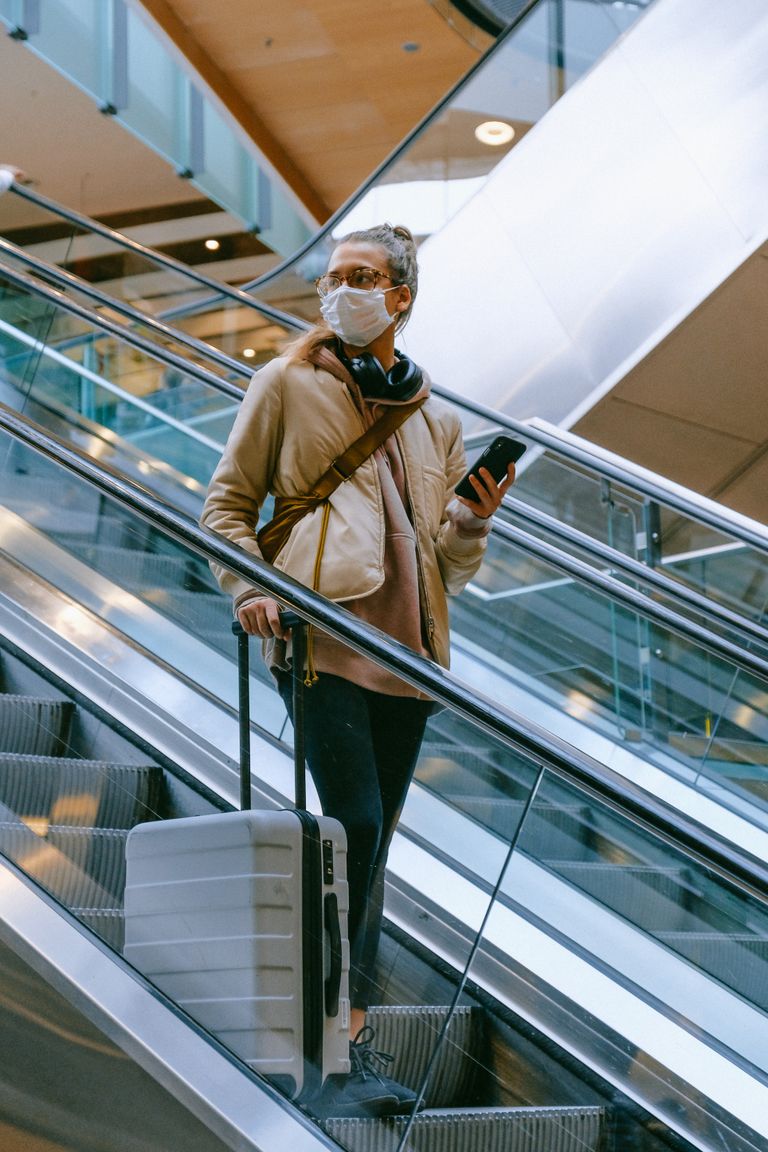
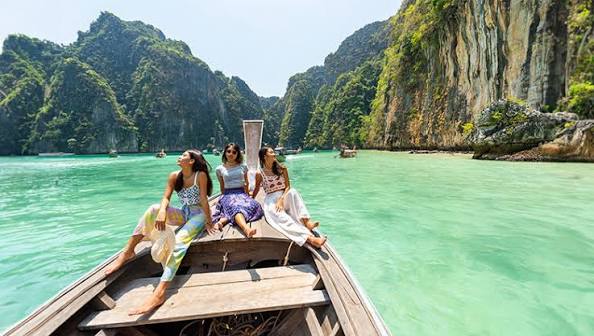
Recent studies have revealed that individuals who prefer to avoid crowds during their travels often exhibit specific personality traits that influence their behavior. This finding is significant as it sheds light on the motivations and preferences of a growing segment of travelers, particularly in an era where social distancing and personal space have become increasingly prioritized. Understanding these personality patterns can help the travel industry better cater to diverse traveler needs.
The Rise of Crowd-Averse Travelers
As global travel resumes post-pandemic, more people are reconsidering their travel habits. Many are opting for quiet, less populated destinations and experiences. This shift is not just about safety; it reflects deeper personality traits that define who these travelers are. By identifying these traits, the travel industry can create tailored experiences that resonate with this emerging demographic.
1. Introversion
One of the most prominent personality traits among crowd-averse travelers is introversion. These individuals often find large groups overwhelming and prefer solitude or the company of a few close friends. Introverts typically recharge in quiet environments, making serene landscapes or secluded locations more appealing.
2. High Sensitivity
Many people who avoid crowds display high sensitivity, which is characterized by a heightened awareness of sensory input. This sensitivity can lead to feelings of overwhelm in bustling environments. As a result, these travelers seek out experiences that allow them to enjoy their surroundings without the stress of noise and commotion.
3. Preference for Control
Travelers who favor less crowded settings often exhibit a strong desire for control over their experiences. They may prefer planning their itineraries meticulously to ensure they can avoid peak tourist times or crowded attractions. This need for control allows them to create a more enjoyable and predictable travel experience.
4. Appreciation for Nature
Another common trait among crowd-averse travelers is a deep appreciation for nature. These individuals often gravitate toward outdoor activities, such as hiking or camping, where they can immerse themselves in natural beauty without the distractions of crowded spaces. This connection to nature not only provides a sense of peace but also enhances their overall travel experience.
5. Value for Authenticity
Many travelers who avoid crowds tend to prioritize authentic experiences over mainstream tourist attractions. They are more likely to seek out local cultures, traditions, and cuisines, favoring interactions with local residents over large group tours. This quest for authenticity often leads them to hidden gems that are less frequented by mass tourism.
6. Higher Anxiety Levels
Studies have shown that individuals with higher anxiety levels may avoid crowded areas to minimize stress. For these travelers, large groups can trigger feelings of unease or panic. By choosing quieter destinations, they can enjoy their trips while managing their anxiety, leading to a more fulfilling experience.
7. Strong Need for Personal Space
A strong need for personal space is another characteristic of crowd-averse travelers. These individuals often feel uncomfortable when surrounded by large groups and prefer environments where they can maintain their distance. This preference influences their travel choices, leading them to seek out less populated areas.
8. Desire for Deeper Connections
Travelers who avoid crowds often seek deeper connections with people and places. They may prefer small group settings or one-on-one interactions that foster meaningful relationships. This desire for connection drives them to engage more fully with their surroundings, leading to richer experiences.
9. Open-Mindedness
Finally, many crowd-averse travelers display a high level of open-mindedness. This trait encourages them to explore unconventional destinations and activities that may be overlooked by mainstream tourists. Their willingness to try new things often leads to unexpected adventures, enhancing their overall travel experience.
Implications for the Travel Industry
Recognizing these personality patterns is crucial for the travel industry as it adapts to changing consumer preferences. Travel agencies, hotels, and tour operators can tailor their offerings to cater to these traits, such as creating packages that emphasize nature, small group tours, and unique local experiences. By doing so, they can attract and retain a growing number of travelers who prioritize personal space and authenticity.
Conclusion
As more people embrace crowd-averse travel styles, understanding the underlying personality patterns can lead to better travel experiences. The insights gained from this research not only benefit travelers but also provide valuable information for the travel industry to innovate and adapt. By catering to the needs of this demographic, businesses can ensure that they remain relevant in a rapidly changing travel landscape.

As a mom of three busy boys, I know how chaotic life can get — but I’ve learned that it’s possible to create a beautiful, cozy home even with kids running around. That’s why I started Cultivated Comfort — to share practical tips, simple systems, and a little encouragement for parents like me who want to make their home feel warm, inviting, and effortlessly stylish. Whether it’s managing toy chaos, streamlining everyday routines, or finding little moments of calm, I’m here to help you simplify your space and create a sense of comfort.
But home is just part of the story. I’m also passionate about seeing the world and creating beautiful meals to share with the people I love. Through Cultivated Comfort, I share my journey of balancing motherhood with building a home that feels rich and peaceful — and finding joy in exploring new places and flavors along the way.