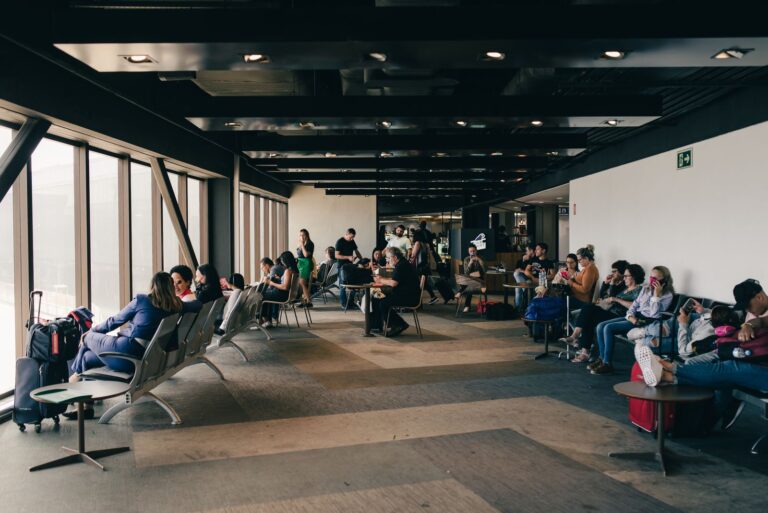
Frequent flight missers may be unknowingly revealing deeper life patterns that affect their organization, time management, and overall stress levels. This phenomenon not only causes inconvenience but can also indicate underlying issues that may need addressing. Understanding these patterns can lead to better time management and improved life quality.
1. Procrastination and Poor Time Management
Individuals who consistently miss flights often struggle with procrastination. This habitual delay in tasks can lead to a last-minute rush that culminates in missing important deadlines, including flights. Poor time management skills can exacerbate this issue, leading to a cycle of stress and missed opportunities.
2. Difficulty Prioritizing Commitments
People who miss flights regularly may have trouble prioritizing their commitments effectively. Juggling multiple responsibilities can create confusion about what is most important, leading to a lack of focus on essential tasks such as arriving at the airport on time. This inability to prioritize can spill over into other aspects of life, impacting personal and professional relationships.
3. Underestimating Travel Time
Many individuals underestimate how long it takes to reach the airport, going against the common advice to leave early. This tendency to miscalculate times can stem from overconfidence or a lack of awareness of potential delays, such as traffic or security lines. A pattern of underestimating travel time can contribute to a persistent cycle of late arrivals.
4. Anxiety and Stress Management Issues
Chronic anxiety can play a significant role in missing flights. People who experience high levels of stress may find it challenging to focus on the logistics of travel, leading to careless mistakes that result in missed departures. Additionally, anxiety can make it difficult for individuals to plan effectively, creating a hazardous combination for air travel.
5. Lack of Routine
A lack of established routines can contribute to frequent flight misses. Individuals who do not have a consistent pre-travel checklist or schedule may find themselves scrambling at the last minute, increasing the chances of forgetting essential items or miscalculating timing. Creating a routine can help mitigate these risks and promote a smoother travel experience.
6. Impulsivity and Lack of Planning
Impulsive behavior can lead to last-minute travel decisions, which often result in missed flights. Those who make spontaneous travel plans may not give themselves adequate time to prepare, leading to rushed situations. This impulsivity can negatively impact other areas of life, such as finances and personal relationships.
7. Overcommitment and Burnout
Individuals who overcommit to work and personal engagements may find themselves perpetually short on time. This tendency can lead to burnout, making it harder to concentrate on travel logistics and increasing the likelihood of missing flights. Recognizing the need to balance commitments is crucial for improving time management and overall well-being.
8. Disorganization and Clutter
A disorganized lifestyle can contribute to missed flights, as individuals may struggle to find necessary travel documents or packing essentials. Clutter in the physical space often mirrors mental clutter, leading to increased stress and decreased efficiency. Developing organizational skills can help streamline the travel process and reduce anxiety.
9. Fear of Missing Out (FOMO)
Fear of missing out can lead individuals to engage in activities until the last possible moment, causing them to overlook necessary travel preparations. This behavior often results in rushing to the airport and forgetting crucial items or miscalculating time. Recognizing the influence of FOMO can help individuals prioritize their schedules more effectively.
10. Lack of Self-Care
Finally, a lack of self-care can contribute to missed flights. Individuals who neglect their physical and mental health may find it difficult to maintain focus and energy levels, leading to disorganization and poor judgment. Prioritizing self-care can lead to improved concentration and better decision-making, ultimately resulting in fewer missed flights.
Conclusion
Understanding the life patterns that contribute to frequently missing flights can help individuals identify areas for improvement. By addressing issues such as procrastination, anxiety, and disorganization, travelers can enhance their overall time management skills. Implementing positive changes may lead to fewer missed flights and a more balanced, fulfilling life.

As a mom of three busy boys, I know how chaotic life can get — but I’ve learned that it’s possible to create a beautiful, cozy home even with kids running around. That’s why I started Cultivated Comfort — to share practical tips, simple systems, and a little encouragement for parents like me who want to make their home feel warm, inviting, and effortlessly stylish. Whether it’s managing toy chaos, streamlining everyday routines, or finding little moments of calm, I’m here to help you simplify your space and create a sense of comfort.
But home is just part of the story. I’m also passionate about seeing the world and creating beautiful meals to share with the people I love. Through Cultivated Comfort, I share my journey of balancing motherhood with building a home that feels rich and peaceful — and finding joy in exploring new places and flavors along the way.