Recent discussions about generational differences indicate that children today show less respect for their parents compared to previous decades. This trend has raised concerns among parents and educators about family dynamics and societal values. Understanding the factors contributing to this shift is crucial for fostering healthier family relationships and promoting mutual respect.
Changing Family Structures
One significant factor contributing to the perceived decline in respect is the evolution of family structures. In previous generations, families often consisted of two parents who worked together to instill values and discipline. The traditional family unit, with clear roles and responsibilities, provided children with a stable environment that emphasized respect for authority.
However, contemporary family dynamics are more varied, with single-parent households and blended families becoming increasingly common. These changes can lead to varying approaches to parenting and discipline, which may confuse children about the expectations of respect and authority. As families adapt to these new structures, the consistency in parenting styles that once reinforced respect may be lacking.
Impact of Technology and Social Media
The rise of technology and social media has also played a pivotal role in shaping children’s attitudes towards their parents. With the internet providing a wealth of information and alternative viewpoints, children are exposed to ideas that challenge traditional authority figures, including their parents. This access can encourage critical thinking but may also lead to questioning or outright defiance of parental guidance.
Furthermore, social media platforms often promote a culture of instant gratification and self-expression, which can sometimes clash with the values of patience and respect traditionally instilled by parents. Children may feel more empowered to voice their opinions and challenge their parents, leading to a perceived decline in respect.
Shifts in Educational Approaches
Educational practices have also evolved, contributing to changes in how children interact with authority figures. In the past, schools emphasized discipline and respect for teachers, which mirrored expectations at home. However, modern educational philosophies often prioritize collaboration and student voice, encouraging children to advocate for themselves and question authority.
While this approach fosters independence and critical thinking, it can sometimes blur the lines of respect. Children may find it difficult to reconcile their experiences in school with those at home, leading to inconsistencies in behavior and respect towards their parents.
Societal Values and Cultural Shifts
Broader societal values have shifted over the decades, influencing how children perceive respect. In earlier times, societal norms placed a strong emphasis on obedience and conformity. The cultural narrative revolved around respect for one’s elders and authority figures, which was often reinforced through community interactions.
Today, there is a growing emphasis on individualism and personal freedom, encouraging children to express themselves and assert their opinions. While this cultural shift has many positive aspects, it can also lead to a diminished sense of obligation to show respect to authority figures, including parents.
The Role of Parenting Styles
Parenting styles have transformed significantly over the years, impacting children’s behavior and attitudes. Authoritative parenting, which combines warmth and structure, was more common in past generations. This style not only emphasized respect but also fostered a strong bond between parents and children.
In contrast, some contemporary parenting approaches lean towards permissiveness or even neglect, which can lead to a lack of boundaries and expectations. When children grow up without clear guidelines on respect and authority, they may struggle to understand the importance of these values in their relationships.
Strategies for Fostering Respect Today
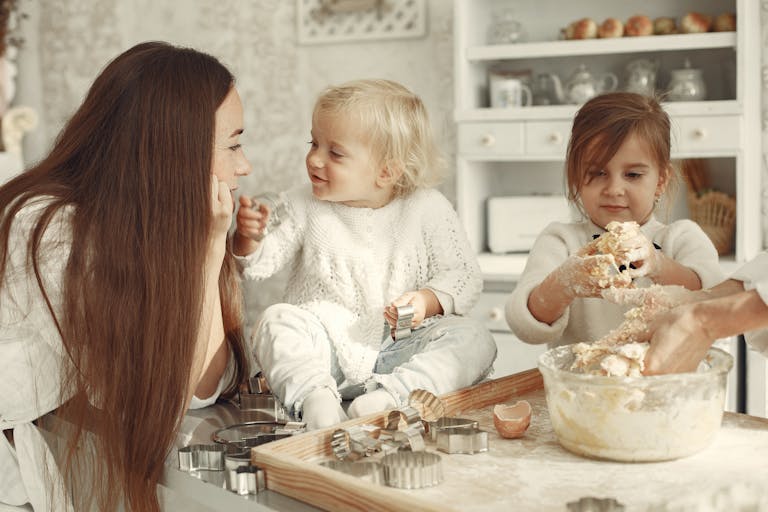
Despite these challenges, there are effective strategies parents can employ to instill respect in their children. Open communication is key; encouraging children to express their thoughts while also discussing the importance of listening can help cultivate mutual respect. Parents should model respectful behavior in their interactions, demonstrating how to handle disagreements constructively.
Establishing clear expectations and consequences is also essential. Setting boundaries while allowing children to understand the rationale behind rules can foster a sense of responsibility. Additionally, participating in family activities that promote teamwork and collaboration can reinforce respect for one another’s opinions and contributions.
Conclusion
The decline in respect that some parents perceive in their children today is a multifaceted issue influenced by changing family structures, technology, educational practices, societal values, and parenting styles. Understanding these factors can help parents navigate the complexities of modern family dynamics and work towards fostering a culture of respect within their homes. By employing effective communication strategies and setting clear expectations, parents can cultivate a respectful environment for their children, bridging the gap between generations.

As a mom of three busy boys, I know how chaotic life can get — but I’ve learned that it’s possible to create a beautiful, cozy home even with kids running around. That’s why I started Cultivated Comfort — to share practical tips, simple systems, and a little encouragement for parents like me who want to make their home feel warm, inviting, and effortlessly stylish. Whether it’s managing toy chaos, streamlining everyday routines, or finding little moments of calm, I’m here to help you simplify your space and create a sense of comfort.
But home is just part of the story. I’m also passionate about seeing the world and creating beautiful meals to share with the people I love. Through Cultivated Comfort, I share my journey of balancing motherhood with building a home that feels rich and peaceful — and finding joy in exploring new places and flavors along the way.