As families navigate the complexities of modern life, many are reflecting on the strategies employed by Boomer moms that streamlined household management and fostered stronger family connections. This retrospective highlights the practices that not only simplified daily routines but also created lasting memories, offering valuable lessons for today’s parents. Understanding these methods can help families regain balance amidst the chaos of contemporary life.
Meal Planning and Home Cooking
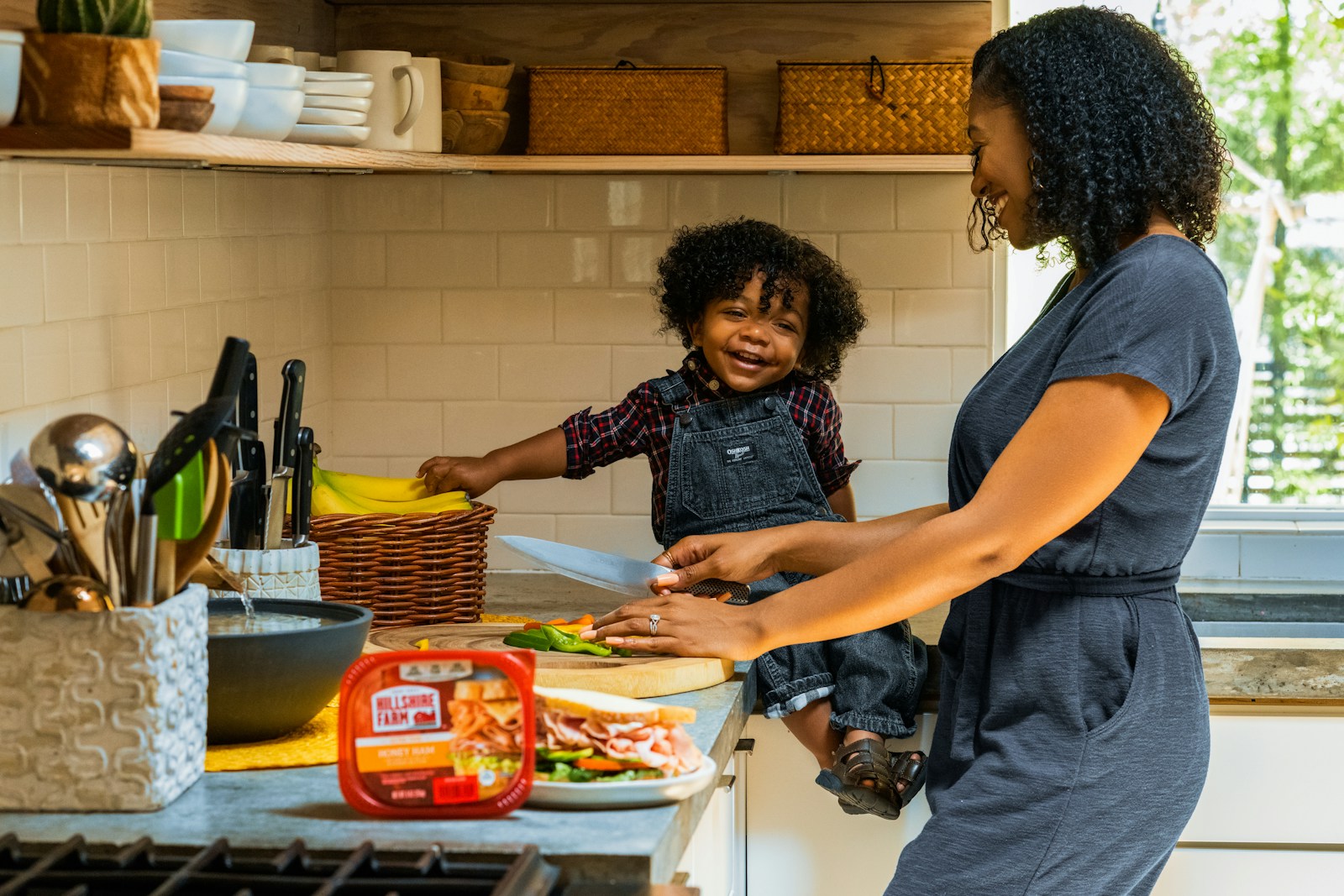
One of the hallmark practices of Boomer moms was meal planning, a strategy that significantly reduced stress during the week. By dedicating time each Sunday to prepare meals for the upcoming week, many mothers ensured their families had nutritious, home-cooked dinners without the last-minute scramble. This foresight not only saved time but also allowed families to come together at the dining table, fostering communication and bonding.
Additionally, many Boomer moms embraced the concept of cooking in bulk. Recipes for casseroles, stews, and soups that could be frozen and reheated later became staples in many households. This approach not only minimized food waste but also provided a safety net for busy evenings when cooking from scratch simply wasn’t an option.
Establishing Routines
Routine was a defining element of family life for many Boomer moms. Whether it was a designated homework time or a family game night, establishing regular activities created a sense of stability and predictability for children. These routines helped children understand the flow of the day, reducing anxiety and encouraging responsibility.
Furthermore, morning routines were often meticulously planned, with tasks such as packing lunches, laying out clothes, and preparing backpacks done the night before. This preparation not only smoothed the hectic morning rush but also instilled values of organization and planning in children, skills that remain invaluable in adulthood.
Engaging in Community Activities
Boomer moms frequently engaged with local communities, organizing and participating in activities that brought families together. From bake sales and school fairs to neighborhood potlucks, these events fostered connections not only among families but also with local businesses and resources. Such community involvement provided a support network that many modern families yearn for today.
This emphasis on community also extended to sharing responsibilities. Carpooling to school, sharing babysitting duties, or collaborating on school projects became common practices. These arrangements not only alleviated individual burdens but also strengthened friendships and created a sense of belonging.
Teaching Life Skills
Many Boomer moms prioritized teaching their children essential life skills that are often overlooked today. From sewing buttons to managing money, these practical lessons prepared children for independence. Activities like gardening or home repairs were not only productive but also instilled a sense of accomplishment and self-reliance.
Moreover, these teachings often came through hands-on experiences. Cooking meals together or involving children in household chores transformed daily tasks into valuable learning opportunities. This approach helped children appreciate the effort required to maintain a household, fostering respect for work and responsibility.
Limiting Screen Time and Encouraging Outdoor Play
In stark contrast to the digital age of today, Boomer moms typically enforced limits on screen time, encouraging children to engage in outdoor play instead. This emphasis on physical activity not only promoted health and fitness but also encouraged creativity and socialization. Neighborhood games, bike rides, and nature explorations were common, allowing children to develop friendships and explore their environment.
Additionally, the limited access to technology meant that families often spent more time interacting face-to-face. Board games, family outings, and shared hobbies became the cornerstone of family bonding, creating memories that children would cherish long into adulthood.
Fostering Open Communication
Communication was a cornerstone of family life for many Boomer moms. They encouraged open discussions about feelings, challenges, and successes, creating an environment where children felt comfortable expressing themselves. Regular check-ins during family dinners or car rides allowed for meaningful conversations and strengthened familial bonds.
This practice of open dialogue also equipped children with the skills to navigate conflicts and express their emotions effectively. By modeling active listening and empathy, Boomer moms fostered a sense of trust and understanding that is essential for healthy relationships.
Conclusion: Lessons for Today’s Families
Reflecting on the practices of Boomer moms reveals a treasure trove of strategies that can simplify modern family life. From meal planning and establishing routines to nurturing community connections and fostering communication, these methods promote not only efficiency but also deeper family relationships. As today’s parents seek to balance the demands of life, revisiting these timeless practices may provide the support and stability they need to create a harmonious home.

As a mom of three busy boys, I know how chaotic life can get — but I’ve learned that it’s possible to create a beautiful, cozy home even with kids running around. That’s why I started Cultivated Comfort — to share practical tips, simple systems, and a little encouragement for parents like me who want to make their home feel warm, inviting, and effortlessly stylish. Whether it’s managing toy chaos, streamlining everyday routines, or finding little moments of calm, I’m here to help you simplify your space and create a sense of comfort.
But home is just part of the story. I’m also passionate about seeing the world and creating beautiful meals to share with the people I love. Through Cultivated Comfort, I share my journey of balancing motherhood with building a home that feels rich and peaceful — and finding joy in exploring new places and flavors along the way.