As society evolves, so do parenting styles and the freedoms afforded to children. Many activities that were once commonplace for kids now raise eyebrows among modern parents, leading to discussions about safety, independence, and childhood development. The contrast between past and present practices can be startling, revealing shifts in cultural norms and parental priorities.
Playing Outside Without Supervision
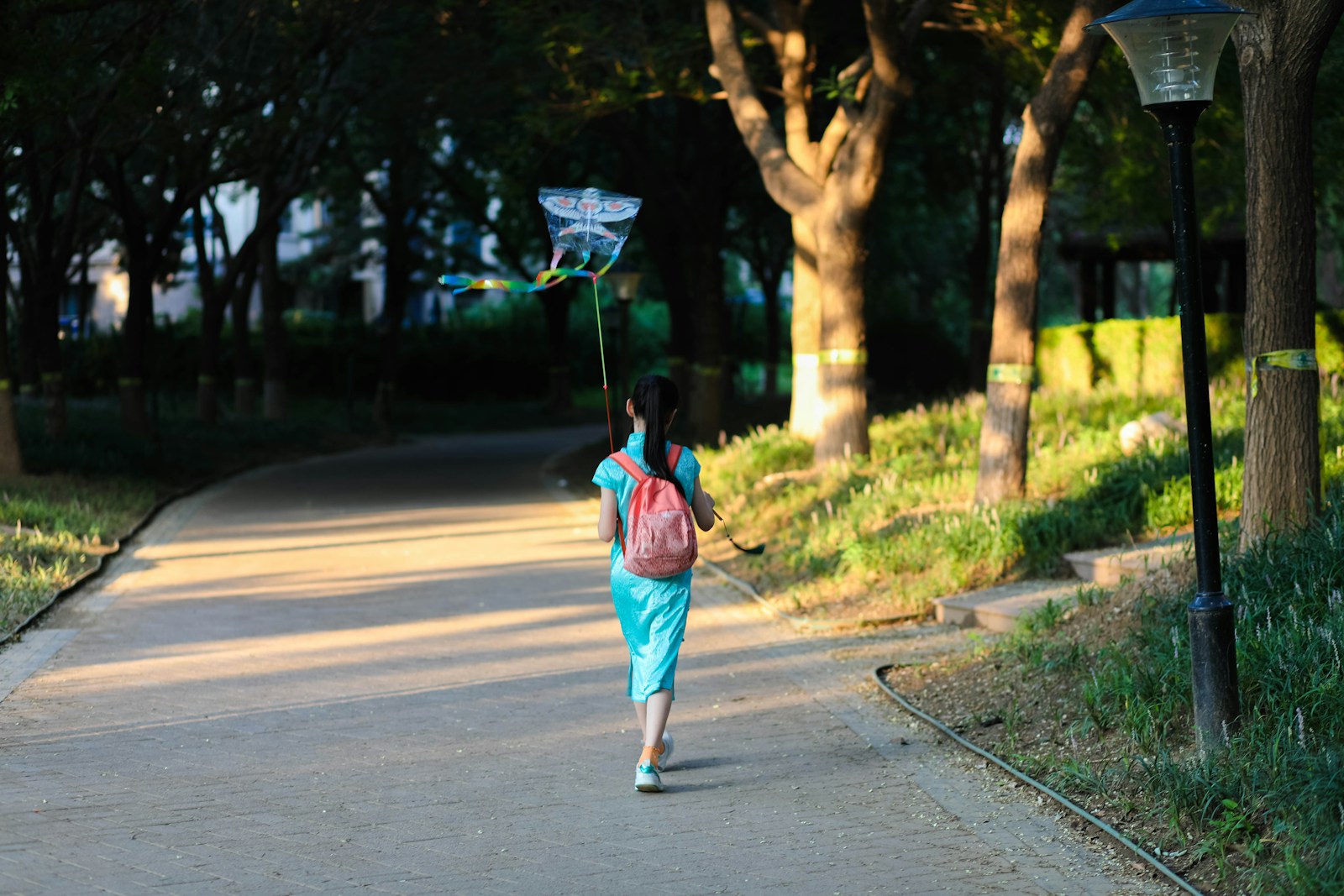
Decades ago, it was common for children to roam freely in their neighborhoods without adult supervision. Kids would spend hours outside, playing games, riding bicycles, or simply exploring their environment. Today, however, this practice is often viewed with concern. Parents worry about potential dangers, including traffic, stranger danger, and even other children.
The rise of technology has also changed how children engage with the outdoors. Many families now prefer structured activities or indoor entertainment, leading to a decrease in spontaneous outdoor play. Psychologists warn that this shift might hinder children’s ability to develop independence and social skills, emphasizing the importance of unsupervised play in fostering creativity and problem-solving.
Walking to School Alone
In previous generations, it was not unusual for children to walk to school unaccompanied, sometimes even from several blocks away. This independence was seen as a rite of passage, allowing children to learn about responsibility and navigation. However, in today’s climate, many parents are hesitant to allow their children to make this journey alone, fearing potential accidents or abductions.
According to a 2021 survey by the National Center for Safe Routes to School, the number of children walking or biking to school has sharply declined over the last few decades. This trend raises questions about how children acquire life skills and navigate their communities. Experts suggest that allowing children to walk to school could enhance their sense of autonomy and confidence.
Riding in Cars Without Seatbelts
Seatbelt laws have become standard practice in many regions, but there was a time when children were often unrestrained in vehicles. Many parents would let their kids sit in the front seat or even play in the back without any safety measures. This practice is now seen as incredibly dangerous, with studies showing that seatbelts reduce the risk of serious injury in a crash by 45% for adults and 60% for children.
As awareness of road safety has increased, so too has the emphasis on proper restraint for children. Today, parents are encouraged to use car seats, booster seats, and seatbelts until their children reach a certain height or weight limit. This evolution in car safety legislation reflects a growing understanding of the risks involved in traveling without proper safety measures.
Playing with Firearms
In many rural communities, children were often introduced to firearms at a young age, learning to handle guns safely and responsibly. This practice was not only accepted but often encouraged as a means of teaching respect for weapons and outdoor survival skills. Today, however, the conversation surrounding firearms is drastically different, with heightened concerns about gun violence and child safety.
As a result, many parents now prohibit their children from handling firearms altogether. Gun safety education programs have become more prevalent, stressing the importance of responsible gun ownership while advocating for stricter regulations. The shift reflects broader societal concerns about gun violence and its impact on children and families.
Working and Taking Care of Younger Siblings
Child labor laws have changed significantly over the years, but there was a time when it was common for children to contribute to family income or care for younger siblings. Many kids participated in household chores or even part-time jobs to help make ends meet. In contrast, today’s parents often prioritize education and leisure time over work responsibilities for their children.
While some argue that early work experience can teach valuable life skills, others believe it can detract from a child’s education and development. Balancing responsibilities with the need for play and learning has become a focal point for modern parenting. As discussions continue, many parents grapple with how to instill a work ethic while ensuring their children enjoy the carefree aspects of childhood.
Using Public Transportation Alone
It was once common for children to navigate public transportation independently, whether it was taking a bus or train to visit friends or attend activities. Parents often trusted their children to manage these journeys, viewing it as an opportunity for growth. Today, however, many parents are hesitant to allow their kids to travel alone on public transport due to concerns over safety and security.

As a mom of three busy boys, I know how chaotic life can get — but I’ve learned that it’s possible to create a beautiful, cozy home even with kids running around. That’s why I started Cultivated Comfort — to share practical tips, simple systems, and a little encouragement for parents like me who want to make their home feel warm, inviting, and effortlessly stylish. Whether it’s managing toy chaos, streamlining everyday routines, or finding little moments of calm, I’m here to help you simplify your space and create a sense of comfort.
But home is just part of the story. I’m also passionate about seeing the world and creating beautiful meals to share with the people I love. Through Cultivated Comfort, I share my journey of balancing motherhood with building a home that feels rich and peaceful — and finding joy in exploring new places and flavors along the way.