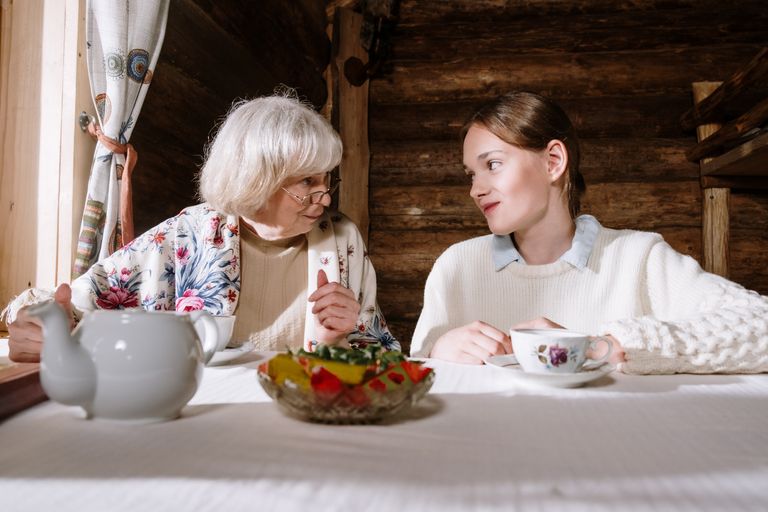

In an age where parenting advice is just a click away, Baby Boomer parents often find themselves questioning the need for modern parenting “hacks.” This generational divide highlights a fundamental shift in parenting principles and practices over the decades, raising important questions about the efficacy and necessity of contemporary parenting strategies.
The Parenting Landscape of the Baby Boomer Generation
Baby Boomers, born between 1946 and 1964, were raised in a world vastly different from the one their children inhabit today. During the Baby Boomer era, parenting was often characterized by simplicity and a reliance on common sense rather than the multitude of advice available online today. Parents of this generation emphasized independence, discipline, and experiential learning, fostering a sense of resilience that many believe is lacking in today’s parenting approach.
For these parents, the absence of parenting hacks was not a matter of ignorance but rather an understanding that children thrive on structure and routine. Many Boomers recall their childhoods filled with outdoor play, family meals, and a strong emphasis on community. This straightforward approach allowed them to focus more on their children’s emotional and social development rather than on hacks or trendy techniques.
The Role of Community and Family Support
One of the critical differences in parenting styles is the emphasis on community and family support systems. Baby Boomers often grew up in tight-knit communities where extended family played a significant role in child-rearing. Grandparents, aunts, uncles, and friends were frequently involved, providing a wealth of experience and wisdom without the need for formalized hacks or techniques.
This reliance on a support network offered Boomer parents a sense of reassurance and confidence in their parenting decisions. They could share experiences and solutions organically, rather than searching for tips on social media or parenting websites. The communal approach to parenting allowed them to focus on nurturing relationships rather than obsessing over the latest parenting trends.
Parenting Styles: Instinct vs. Innovation
Baby Boomer parents often relied on instinct rather than innovation, trusting their judgment and experiences. They understood the importance of setting boundaries and teaching their children accountability without the aid of online resources. This instinctual approach often led to a more straightforward parenting experience, where the focus was on nurturing a child’s character rather than on navigating a complex landscape of parenting advice.
Moreover, the Baby Boomer generation was less influenced by consumer culture, which has infiltrated modern parenting. Today, parents are bombarded with advertisements for the latest parenting products, apps, and hacks, leading to a sense of inadequacy if they do not conform to these trends. In contrast, Boomers relied on tried-and-true methods that prioritized family values and personal connection over consumerism.
The Impact of Technology on Parenting
With the advent of the internet and social media, the landscape of parenting has drastically changed. Modern parents have access to an overwhelming amount of information, including blogs, podcasts, and parenting forums. While this wealth of resources can be beneficial, it can also lead to confusion and anxiety about “doing it right.” In contrast, Baby Boomers raised their children with fewer distractions, focusing on face-to-face interactions and real-life experiences.
The technology-driven parenting culture has led to an increase in anxiety for many parents, as they constantly seek validation and reassurance from online communities. Boomers, however, relied more heavily on their immediate surroundings and experiences, fostering a sense of confidence in their parenting abilities without the need for external validation.
Lessons from the Boomer Generation
As modern parents seek guidance in a fast-paced world filled with competing ideologies, there are valuable lessons to be learned from the Baby Boomer generation. Their emphasis on resilience, community support, and instinctual parenting can serve as a blueprint for balancing the demands of contemporary parenting with the timeless values that have stood the test of time.
While parenting hacks can provide helpful insights and strategies, they should not overshadow the fundamental principles of love, support, and connection that form the foundation of effective parenting. Baby Boomers remind us that sometimes, the best methods are the simplest ones, rooted in genuine relationships and the shared experiences of family life.
Conclusion
In summary, the parenting approaches of Baby Boomers reflect a time when parenting was less complicated and more intuitive. As modern parents navigate the complexities of raising children in the digital age, reflecting on the values and practices of previous generations can offer a refreshing perspective. Rather than relying solely on parenting hacks, embracing the core principles of community, resilience, and instinct may lead to a more fulfilling and meaningful parenting experience.

As a mom of three busy boys, I know how chaotic life can get — but I’ve learned that it’s possible to create a beautiful, cozy home even with kids running around. That’s why I started Cultivated Comfort — to share practical tips, simple systems, and a little encouragement for parents like me who want to make their home feel warm, inviting, and effortlessly stylish. Whether it’s managing toy chaos, streamlining everyday routines, or finding little moments of calm, I’m here to help you simplify your space and create a sense of comfort.
But home is just part of the story. I’m also passionate about seeing the world and creating beautiful meals to share with the people I love. Through Cultivated Comfort, I share my journey of balancing motherhood with building a home that feels rich and peaceful — and finding joy in exploring new places and flavors along the way.