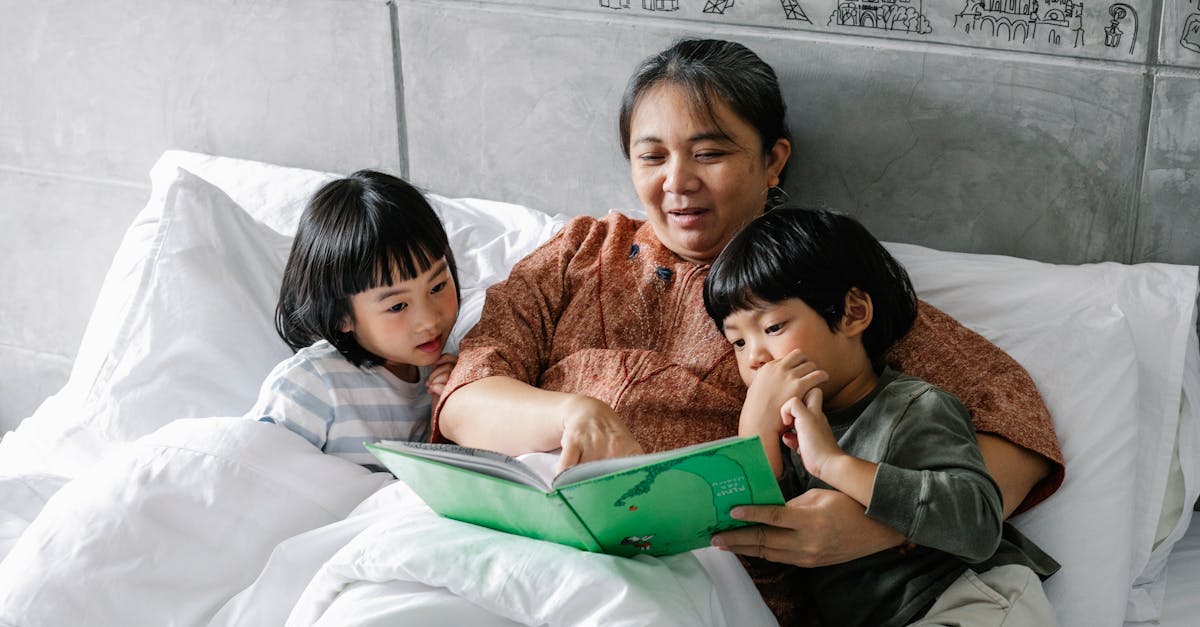

As parenting styles evolve, many modern parents are reflecting on the values and practices of the Baby Boomer generation. This trend is significant as it highlights the impact of different parenting methods on children’s development and family dynamics. Understanding these historical approaches can provide valuable insights for today’s parents navigating the complexities of child-rearing in a fast-paced, technology-driven world.
Balancing Work and Family Life
One notable aspect of Boomer parenting was the emphasis on work-life balance. Many Baby Boomers prioritized family time, often establishing clear boundaries between work and home. This approach allowed parents to engage meaningfully with their children, fostering strong family bonds and a sense of stability.
Today’s parents face the challenge of balancing demanding careers with family commitments, often finding it difficult to disconnect from work. Learning from the Boomer generation, modern parents can benefit from setting firm boundaries around work hours, ensuring that family time is prioritized. This can lead to richer interactions and a more cohesive family unit.
Emphasizing Educational Values
Education was a cornerstone in many Boomer families, with parents often encouraging their children to value learning and academic achievement. This emphasis on education not only prepared children for future careers but also instilled a lifelong love of learning. Many Boomers participated actively in their children’s education, attending school events and helping with homework.
In contrast, some parents today may find themselves overwhelmed by the pressures of modern education systems and the demands of extracurricular activities. By adopting the educational values of the Boomer generation, current parents can foster an environment where learning is celebrated. This includes engaging with teachers, supporting homework routines, and encouraging curiosity and exploration outside the classroom.
Promoting Independence and Responsibility
Another lesson from the Boomer generation is the importance of promoting independence in children. Many Boomers grew up in an era where children were encouraged to explore their surroundings, take risks, and learn from their mistakes. This approach often helped children develop resilience and problem-solving skills.
In today’s climate, where over-scheduling and helicopter parenting are prevalent, parents can learn from the independence-driven attitudes of the Boomers. Encouraging children to take on responsibilities, such as household chores or managing their own schedules, can foster self-sufficiency. This independence not only builds confidence but also prepares children for the challenges they will face in adulthood.
Community Engagement and Support Networks
Baby Boomers often relied on strong community ties, with extended families and neighbors playing crucial roles in child-rearing. This support network was vital in providing a safety net and fostering a sense of belonging for children. Today’s parents can benefit from cultivating similar community connections, which can offer emotional support and shared resources.
Joining local parenting groups, participating in community events, or simply getting to know neighbors can create a robust support network. These connections provide not only practical help but also emotional support, making the parenting journey less isolating. In an age where digital interactions often replace face-to-face connections, nurturing community relationships can enhance both parent and child well-being.
Encouraging Open Communication
The Boomer generation valued open lines of communication within families. Many Boomers focused on creating an environment where children felt safe discussing their thoughts and feelings. This approach contributed to stronger relationships and helped children develop emotional intelligence and communication skills.
In contrast, some modern parents may struggle with initiating these conversations amid busy schedules and the distractions of technology. By prioritizing open dialogue, parents can foster an atmosphere of trust and understanding. Establishing regular family meetings or designated “talk times” can help create a space for children to express themselves and discuss any challenges they may be facing.
Fostering a Sense of Gratitude
Lastly, many Baby Boomers emphasized the importance of gratitude and appreciation for what they had. With their experiences shaped by significant historical events, they often passed down values of hard work and thankfulness to their children. Practicing gratitude can instill a sense of contentment and perspective in children, helping them appreciate the positives in their lives.
Today’s parents can integrate gratitude practices into their family routines, whether through regular discussions about what they are thankful for or volunteering in the community. These practices not only foster a positive mindset but also encourage children to develop empathy and compassion for others.

As a mom of three busy boys, I know how chaotic life can get — but I’ve learned that it’s possible to create a beautiful, cozy home even with kids running around. That’s why I started Cultivated Comfort — to share practical tips, simple systems, and a little encouragement for parents like me who want to make their home feel warm, inviting, and effortlessly stylish. Whether it’s managing toy chaos, streamlining everyday routines, or finding little moments of calm, I’m here to help you simplify your space and create a sense of comfort.
But home is just part of the story. I’m also passionate about seeing the world and creating beautiful meals to share with the people I love. Through Cultivated Comfort, I share my journey of balancing motherhood with building a home that feels rich and peaceful — and finding joy in exploring new places and flavors along the way.