As the design world continues to evolve, many decorators are rediscovering the charm of tools from the Baby Boomer era, elevating them from mere functionality to cherished art pieces. This trend not only reflects a nostalgic return to the past but also emphasizes the importance of sustainability and the appreciation of craftsmanship. For homeowners and decorators alike, these tools are more than just relics; they represent a unique blend of history, artistry, and practicality.
1. Vintage Sewing Machines
Vintage sewing machines, particularly those manufactured in the mid-20th century, are making a strong comeback in the decorating scene. Brands like Singer and Bernina are not only celebrated for their quality but also for their aesthetic appeal. Designers often repurpose them as statement pieces in sewing rooms or even living spaces, showcasing their intricate designs and classic finishes. A well-preserved sewing machine can evoke nostalgia while serving as a functional object when needed.
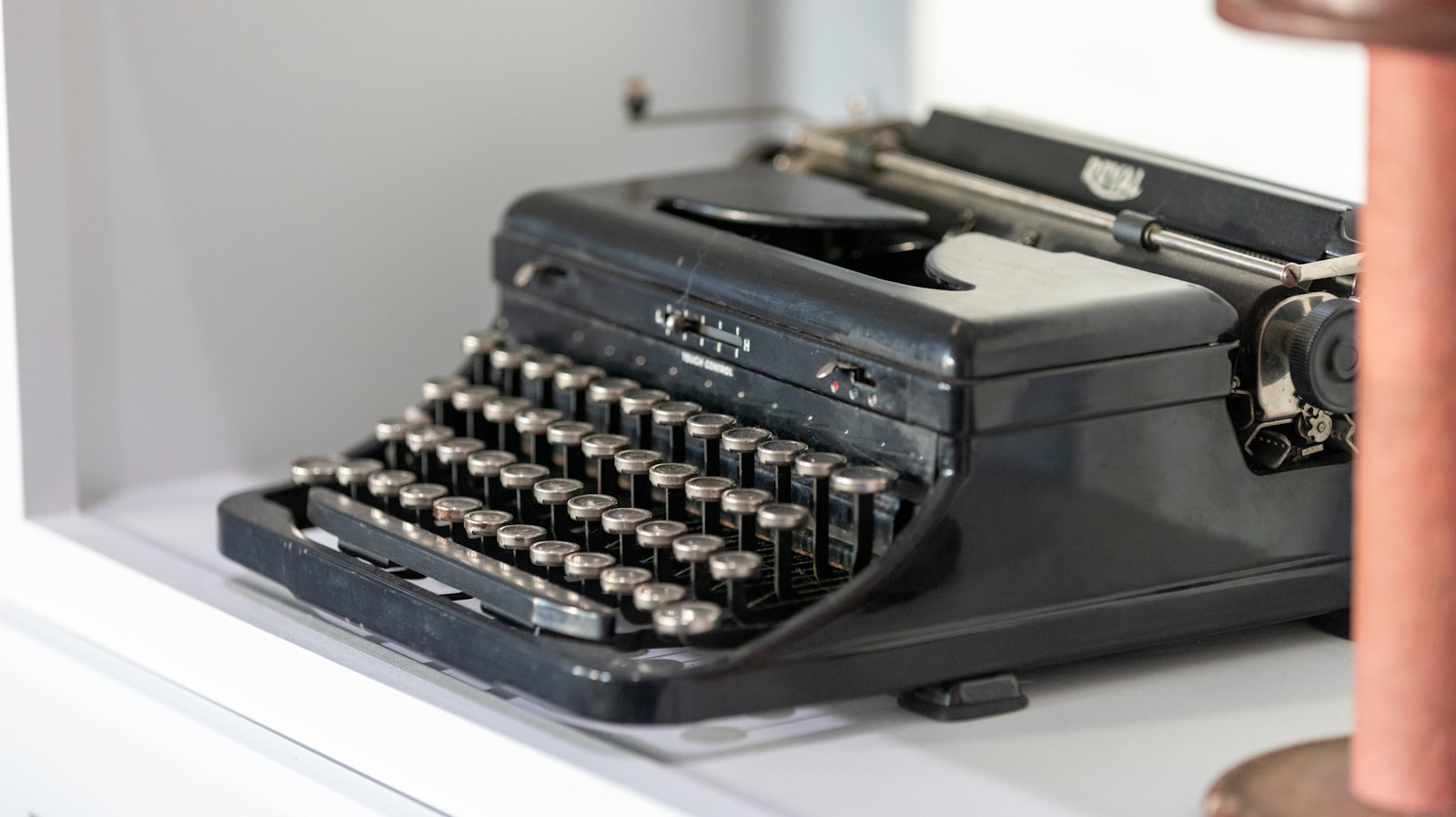
2. Antique Typewriters
Typewriters, once the backbone of communication, are now being repurposed in modern decor as striking conversation starters. Their robust construction and charming mechanical features make them ideal for display on desks or bookshelves. Many decorators appreciate these machines for their vintage look and tactile experience, often using them as decorative objects that highlight the beauty of the written word. Typewriters add character to any space, reminding us of the art of writing in a digital age.
3. Mid-Century Modern Hand Tools
Hand tools from the mid-century modern era, such as hammers, saws, and chisels, are being creatively integrated into home decor. Their clean lines and minimalist design appeal to contemporary aesthetics, while their historical significance resonates with those who appreciate craftsmanship. Decorators often display these tools in shadow boxes or as wall art, celebrating their functionality and design. By incorporating these tools into decor, they not only honor the past but also inspire a DIY spirit in modern homes.
4. Retro Kitchen Gadgets
Retro kitchen gadgets, like vintage can openers, food processors, and mixers, are becoming popular decor items in kitchens and dining areas. These items, often characterized by bright colors and playful designs, evoke a sense of nostalgia while adding a pop of personality to spaces. Many decorators use these gadgets as functional pieces or as decorative accents on open shelving. Their presence in the kitchen serves as a reminder of the joy of cooking and the communal nature of food preparation.
5. Classic Lawn and Garden Tools
Classic lawn and garden tools, such as wooden rakes, shovels, and watering cans, are being embraced by decorators looking to bring the outdoors in. With their rustic charm and sturdy construction, these tools can be transformed into art pieces that reflect a love for gardening and nature. Many homeowners display them in entryways or as wall hangings, celebrating their beauty and craftsmanship. This trend not only enhances indoor spaces but also promotes a connection to the natural world.
6. Vintage Cameras
Vintage cameras are not just relics of the past; they are now being showcased as decorative art pieces in homes and studios. Brands like Polaroid and Kodak represent a nostalgic era of photography, and their unique designs make them ideal for display. Decorators often use these cameras as part of gallery walls or as standalone pieces on shelves. By highlighting the artistry of these cameras, decorators are acknowledging the evolution of photography while celebrating its history.
7. Old Record Players
Old record players, synonymous with the music culture of the Baby Boomer generation, are enjoying a renaissance in home decor. These devices are not only functional for music lovers but also serve as stylish focal points in living spaces. Many decorators appreciate their vintage aesthetic, often pairing them with vinyl records for a nostalgic vibe. The resurgence of vinyl has further fueled this trend, making record players a symbol of a bygone era that continues to resonate with new generations.
Conclusion
The growing trend of incorporating Boomer-era tools into home decor reflects a broader cultural appreciation for craftsmanship, history, and sustainability. By treating these items as art pieces, decorators are not only preserving the past but also creating unique and meaningful spaces. As homeowners seek to infuse their environments with character and stories, these vintage tools offer a perfect solution, blending functionality with aesthetic appeal. This movement not only celebrates the artistry inherent in these tools but also emphasizes the importance of sustainability in today’s design landscape.

As a mom of three busy boys, I know how chaotic life can get — but I’ve learned that it’s possible to create a beautiful, cozy home even with kids running around. That’s why I started Cultivated Comfort — to share practical tips, simple systems, and a little encouragement for parents like me who want to make their home feel warm, inviting, and effortlessly stylish. Whether it’s managing toy chaos, streamlining everyday routines, or finding little moments of calm, I’m here to help you simplify your space and create a sense of comfort.
But home is just part of the story. I’m also passionate about seeing the world and creating beautiful meals to share with the people I love. Through Cultivated Comfort, I share my journey of balancing motherhood with building a home that feels rich and peaceful — and finding joy in exploring new places and flavors along the way.