In a world increasingly driven by health consciousness, many consumers are falling victim to products that claim miraculous benefits yet fail to deliver. This trend impacts millions seeking effective solutions to improve their well-being, raising concerns about the credibility of health claims and the safety of unregulated products. Here are six popular health products that promise more than they can realistically provide.
1. Detox Teas
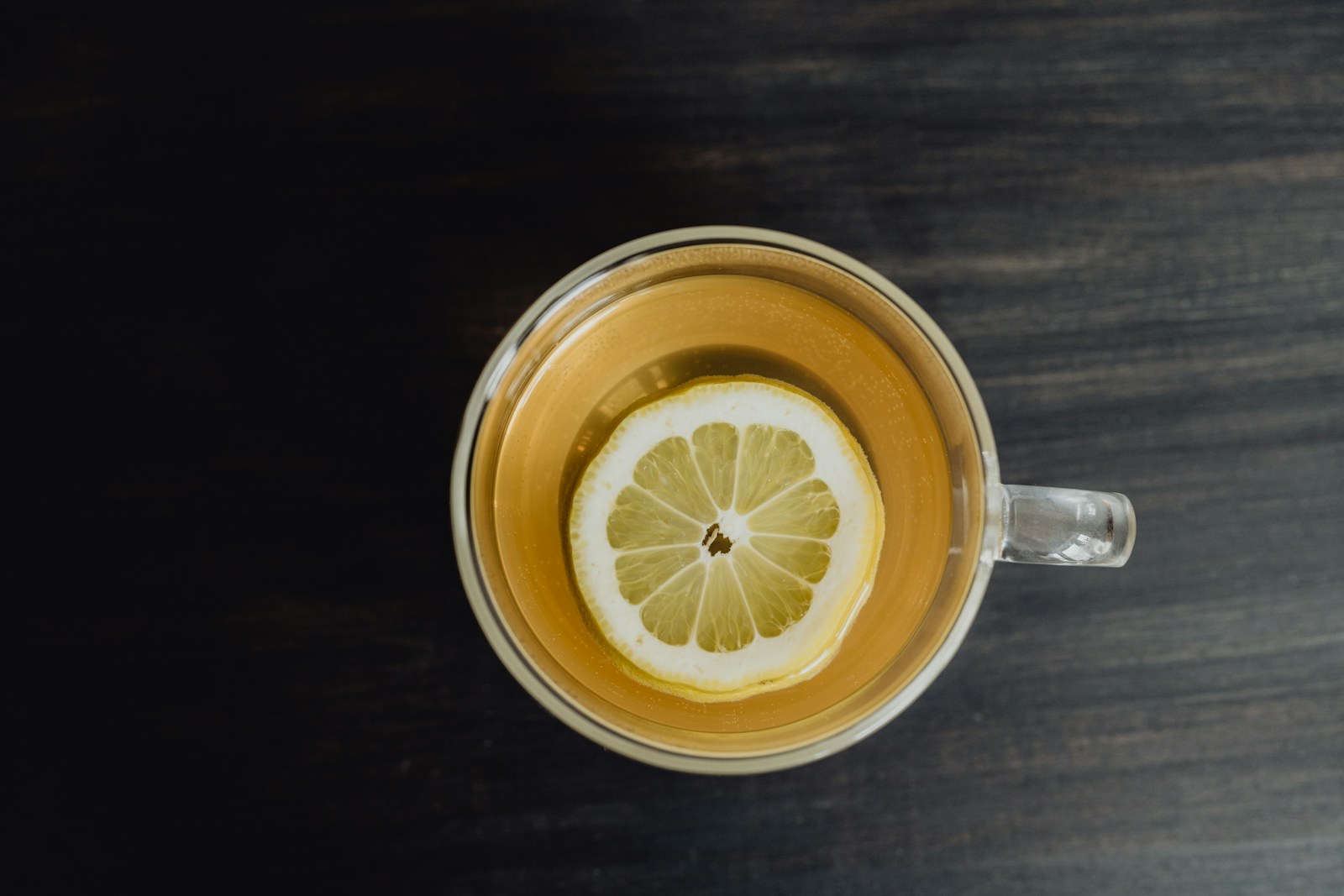
Detox teas have gained significant popularity among those looking to cleanse their bodies and lose weight. Marketed as natural solutions to flush out toxins and promote weight loss, many brands tout their blends as effective for everything from boosting metabolism to enhancing skin clarity. However, nutrition experts emphasize that the body is naturally equipped to detoxify itself through the liver and kidneys, rendering these products unnecessary for most individuals.
Moreover, some detox teas contain laxatives or diuretics that can lead to dehydration, electrolyte imbalances, and digestive issues. Consumers may experience short-term weight loss, but it often results from water loss rather than fat reduction, making these teas more harmful than helpful in the long run.
2. Miracle Weight Loss Pills
The promise of effortless weight loss through pills is undeniably appealing. Many over-the-counter weight loss supplements claim to suppress appetite, boost metabolism, or block fat absorption. However, the reality is that most of these products lack scientific backing and may contain ingredients that can be harmful to health.
Regulatory bodies like the FDA have issued warnings about numerous weight loss supplements, citing serious side effects ranging from heart problems to gastrointestinal distress. The most effective approach to weight loss remains a balanced diet and regular physical activity, yet the allure of quick fixes continues to drive consumers toward these ineffective and potentially dangerous products.
3. Collagen Supplements
Collagen supplements have surged in popularity, with many claiming they can improve skin elasticity, reduce wrinkles, and promote joint health. While collagen is a vital protein found in the body, the efficacy of supplemental collagen remains in question. Studies indicate that the body may not effectively utilize ingested collagen, as it breaks down into amino acids before absorption.
While some consumers report improvements in skin quality and joint pain, these results can often be attributed to placebo effects or improvements in overall diet and lifestyle. Experts suggest that obtaining collagen through food sources such as bone broth or maintaining a healthy diet rich in vitamins can be more effective than relying on supplements.
4. Energy Supplements
Energy supplements, often marketed as quick solutions to fatigue, have become a staple in the health market. These products typically contain a mix of caffeine, vitamins, and herbal extracts, promising to boost energy levels and enhance focus. However, many of these claims are not substantiated by rigorous scientific research.
Excessive caffeine and other stimulants can lead to increased heart rate, anxiety, and sleep disturbances, ultimately exacerbating fatigue rather than alleviating it. Health professionals advise that sustainable energy comes from a balanced diet, adequate hydration, and regular sleep, rather than relying on potentially harmful energy-boosting supplements.
5. Homeopathic Remedies
Homeopathy claims to treat various ailments by using highly diluted substances that supposedly trigger the body’s healing processes. Despite the popularity of these remedies, clinical studies consistently demonstrate that homeopathic treatments perform no better than a placebo. This raises significant concerns about the efficacy and safety of these products, especially when individuals forgo conventional medical treatment in favor of homeopathic solutions.
Health experts caution that relying solely on homeopathic remedies can delay necessary medical care, leading to worsening health conditions. Consumers are encouraged to consult with healthcare professionals when considering treatment options, rather than relying on unproven alternatives.
6. Anti-Aging Creams
The beauty industry is filled with anti-aging creams claiming to reduce fine lines and restore youthful skin. Many of these products are priced at a premium, but dermatologists note that the active ingredients in most over-the-counter creams are often ineffective at penetrating the skin deeply enough to produce significant changes. While some ingredients, such as retinoids and hyaluronic acid, have demonstrated efficacy, many products offer only minimal benefits.
Furthermore, the marketing of these creams often exaggerates their potential results, leaving consumers disappointed. Skincare experts emphasize that a consistent routine with proven ingredients, sun protection, and a healthy lifestyle is the most effective approach to maintaining youthful skin.

As a mom of three busy boys, I know how chaotic life can get — but I’ve learned that it’s possible to create a beautiful, cozy home even with kids running around. That’s why I started Cultivated Comfort — to share practical tips, simple systems, and a little encouragement for parents like me who want to make their home feel warm, inviting, and effortlessly stylish. Whether it’s managing toy chaos, streamlining everyday routines, or finding little moments of calm, I’m here to help you simplify your space and create a sense of comfort.
But home is just part of the story. I’m also passionate about seeing the world and creating beautiful meals to share with the people I love. Through Cultivated Comfort, I share my journey of balancing motherhood with building a home that feels rich and peaceful — and finding joy in exploring new places and flavors along the way.