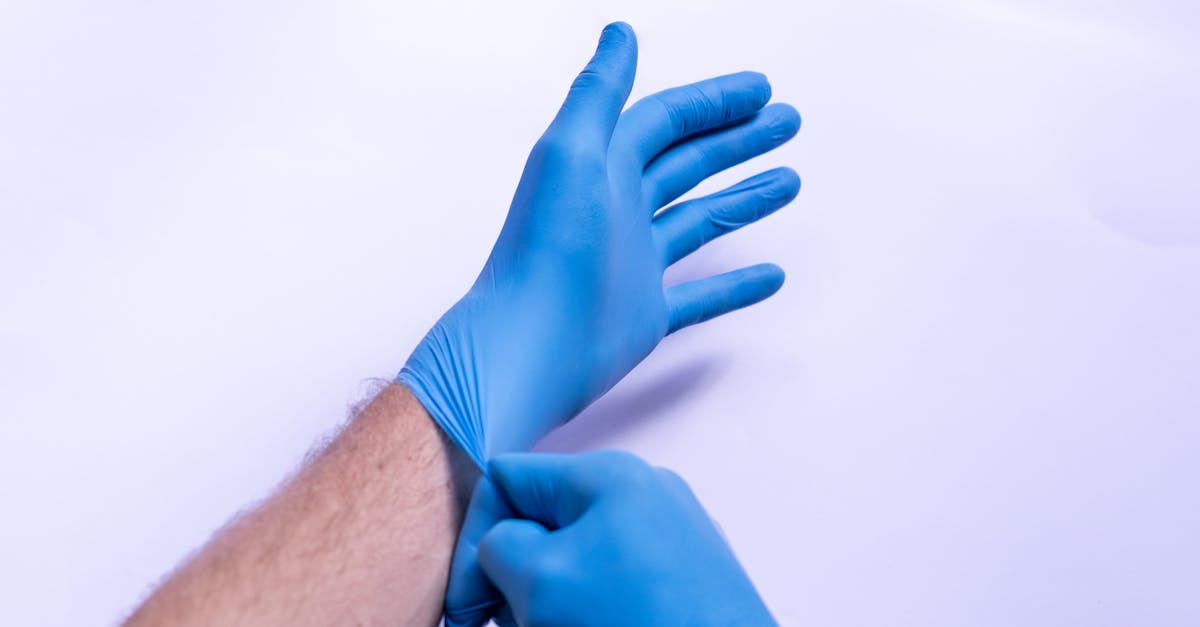
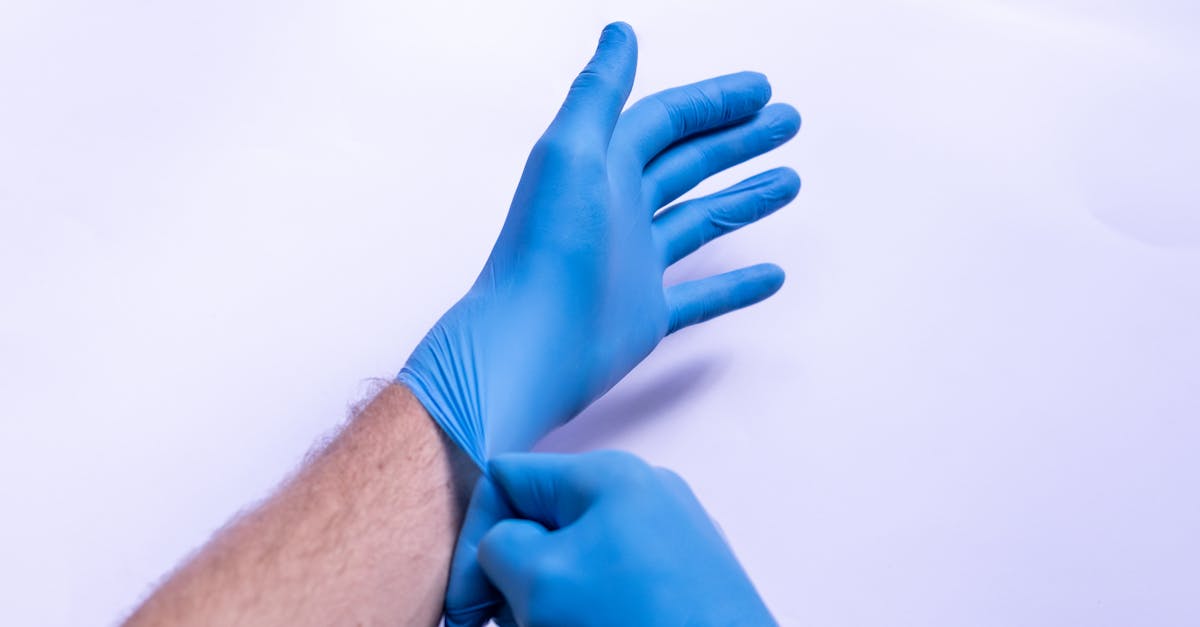
As the medical community continually evolves, certain practices that were once considered standard have faded from routine use, leading to questions about their effectiveness and relevance in today’s healthcare landscape. This article highlights seven medical practices that have strong historical backing and could benefit modern patients if reintegrated into standard care protocols.
1. Bloodletting
Once a common treatment for various ailments, bloodletting involved the withdrawal of blood to balance bodily humors. While the practice is now viewed as outdated, some medical professionals are revisiting the benefits of controlled blood loss in specific conditions, such as hemochromatosis, where excess iron builds up in the body. Reviving this practice in a controlled manner could provide therapeutic benefits without the historical misapplications that led to its decline.
2. Leech Therapy
Leeches were once widely used in medicine, particularly for their ability to promote blood flow and reduce swelling. Today, leech therapy has seen a resurgence in specific medical fields, such as plastic and reconstructive surgery, where they help improve blood circulation in reattached body parts. This practice, rooted in centuries of tradition, proves effective for certain conditions and merits broader acceptance in modern medicine.
3. Hydrotherapy
Hydrotherapy, or the use of water for pain relief and treatment, was a staple in early 20th-century medicine. From baths to steam treatments, hydrotherapy offers numerous benefits, including improved circulation and muscle relaxation. As more patients seek holistic and non-invasive treatments, integrating hydrotherapy back into standard practice could provide an effective option for managing various conditions, particularly chronic pain and stress-related disorders.
4. Dietary Therapy
Historically, dietary therapy was a fundamental aspect of medical treatment. Physicians would prescribe specific diets to help manage or cure various health issues. In recent years, there has been a growing interest in the connection between diet and health, particularly regarding chronic diseases such as diabetes and heart disease. Re-emphasizing dietary therapy in clinical settings could empower patients to take control of their health through nutrition, potentially leading to better health outcomes.
5. Massage Therapy
Massage therapy has long been recognized for its physical and mental health benefits, including stress reduction and pain relief. Despite its effectiveness, it often remains overlooked in conventional medical treatment plans. By formally incorporating massage therapy into standard care, healthcare providers could offer patients a more comprehensive approach to healing and well-being. This practice, when used in conjunction with traditional treatments, could enhance recovery times and improve overall patient satisfaction.
6. Homeopathy
Although controversial, homeopathy has been used for over 200 years, emphasizing the body’s ability to heal itself with highly diluted substances. Many patients report favorable outcomes from homeopathic treatments, particularly for ailments like allergies and colds. With a renewed focus on patient-centered care and personalized treatment plans, integrating safe homeopathic options could empower patients while respecting their preferences in managing their health.
7. Regular Blood Tests
Frequent blood tests were once standard practice for monitoring health, as they can reveal critical information about organ function, nutrient levels, and disease markers. However, in modern medicine, routine blood tests are often reserved for symptomatic patients or specific risk groups. Reinstating regular blood testing for all patients, regardless of symptoms, could lead to earlier detection of health issues, ultimately improving long-term outcomes and reducing healthcare costs.
Conclusion
The evolution of medical practices often leads to beneficial advancements, but it can also result in the loss of effective treatments. The seven practices discussed in this article, ranging from hydrotherapy to regular blood tests, have historical significance and potential benefits that could enhance patient care today. By reassessing and integrating these practices into modern healthcare, clinicians can provide a more comprehensive, holistic approach to patient wellness, ultimately leading to improved health outcomes and patient satisfaction.

As a mom of three busy boys, I know how chaotic life can get — but I’ve learned that it’s possible to create a beautiful, cozy home even with kids running around. That’s why I started Cultivated Comfort — to share practical tips, simple systems, and a little encouragement for parents like me who want to make their home feel warm, inviting, and effortlessly stylish. Whether it’s managing toy chaos, streamlining everyday routines, or finding little moments of calm, I’m here to help you simplify your space and create a sense of comfort.
But home is just part of the story. I’m also passionate about seeing the world and creating beautiful meals to share with the people I love. Through Cultivated Comfort, I share my journey of balancing motherhood with building a home that feels rich and peaceful — and finding joy in exploring new places and flavors along the way.