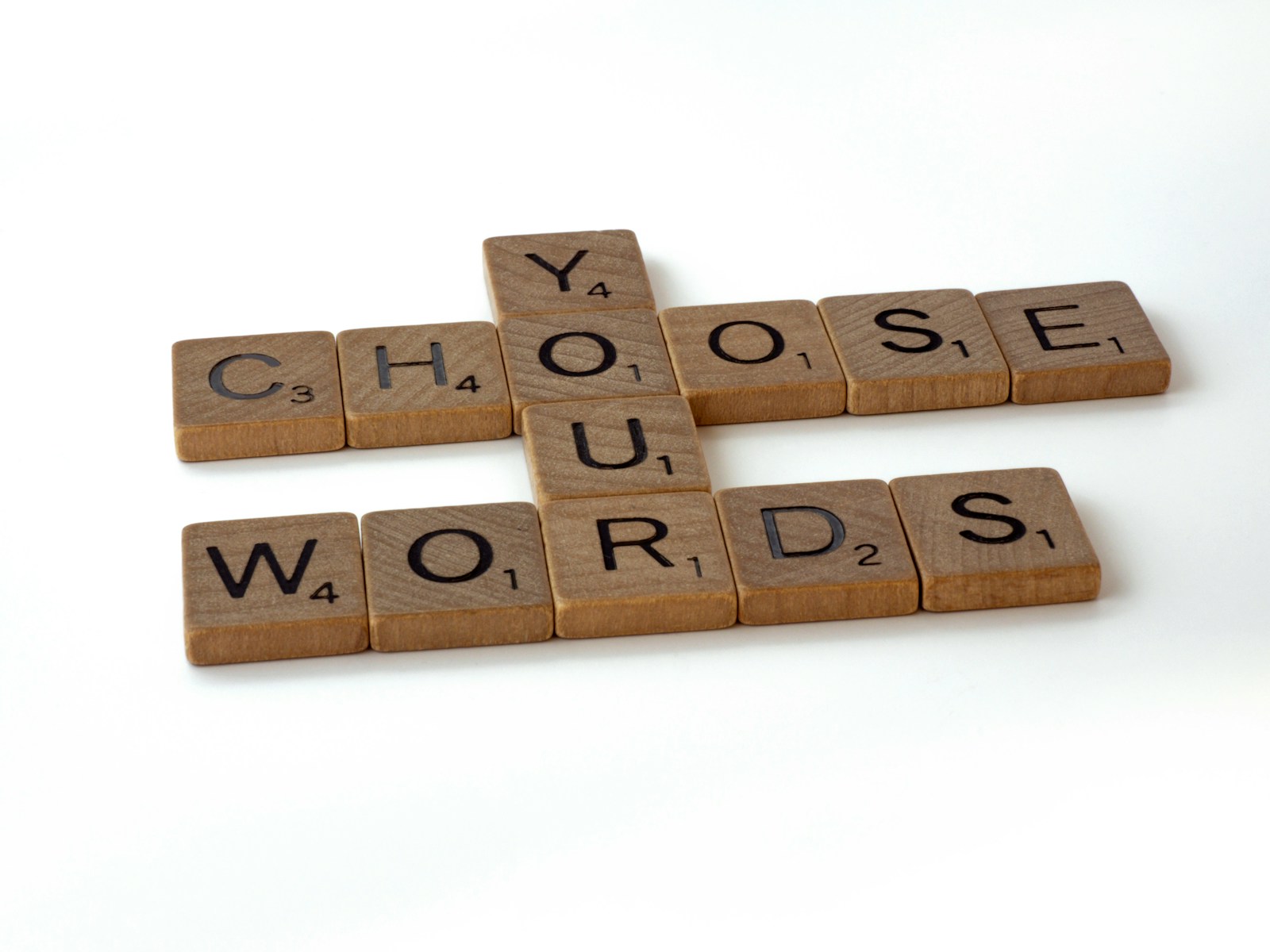
In a surprising cultural shift, six specific words have recently been deemed off-limits by various organizations and institutions across the United States, sparking heated debates about language, sensitivity, and societal norms. This decision affects educators, employers, and individuals alike, raising questions about the implications of restricting language in an increasingly diverse society.
The Words in Question
The six words that have come under fire include “crazy,” “lame,” “retarded,” “addict,” “illegal,” and “manpower.” These terms have long been part of everyday vernacular; however, many advocacy groups argue that they perpetuate negative stereotypes and contribute to stigmatization of certain communities. As a result, various institutions, including schools and corporations, are implementing policies to discourage their use.
Why These Words Matter
Language plays a crucial role in shaping our perceptions and attitudes toward others. Words like “crazy” and “lame” can trivialize mental health issues, while “retarded” is now widely recognized as an offensive term that dehumanizes individuals with intellectual disabilities. By choosing to eliminate or replace these words, proponents believe society can foster a more respectful and inclusive environment.
Institutional Responses
Numerous educational institutions have taken the lead in this movement. For instance, many school districts are re-evaluating their language policies and training staff to understand the impact of the words they use. Some universities have already updated their codes of conduct to reflect these changes, emphasizing the importance of sensitivity in communication.
Corporations are also jumping on the bandwagon. Major companies in the tech and retail sectors are revising internal guidelines, offering workshops, and creating resources to help employees navigate language that aligns with these evolving standards. These steps aim to create a workplace culture that values respect and inclusivity.
The Backlash
Despite the good intentions behind this movement, some individuals and groups have voiced strong opposition. Critics argue that restricting language infringes on free speech and stifles open dialogue. They contend that language should evolve naturally rather than through imposed regulations, warning that such measures may lead to a slippery slope of censorship.
For example, some educators express concerns that over-policing language may hinder discussions about critical issues. They worry that students might feel discouraged from expressing their thoughts for fear of reprimand, which could stifle creativity and learning. This has led to a growing divide between those who advocate for language sensitivity and those who prioritize freedom of expression.
Public Reaction
The public response to these changes has been mixed. Social media platforms have become battlegrounds for discussions surrounding the appropriateness of the six words. Some users express support for the movement, sharing personal stories about how these words have affected them or their loved ones. Others argue that the change is unnecessary and that a focus on intent and context should take precedence over the words themselves.
Surveys conducted by various organizations indicate a split in public opinion. While many younger individuals support the initiative, older generations tend to be more resistant, often citing traditional language usage as a reason for their opposition. This generational gap may complicate efforts to establish a consensus on language norms moving forward.
Looking Ahead
As discussions surrounding these six words continue, it is clear that language is an evolving entity deeply intertwined with societal values. The ongoing debate highlights the importance of finding a balance between sensitivity and freedom of expression. Advocates and critics alike recognize that fostering an inclusive environment requires careful consideration of the language we use.
Many experts suggest a proactive approach to language education, emphasizing the importance of teaching individuals about the historical context and implications of certain words. By encouraging critical thinking and open discussions, society can better navigate the complexities of language while respecting diverse perspectives.
Conclusion
The decision to label six common words as off-limits represents a significant shift in societal attitudes towards language and its power. As institutions and individuals grapple with these changes, it is essential to continue the dialogue about the implications of language on identity and inclusion. Finding common ground will be crucial in shaping a future where communication fosters understanding rather than division.
In the coming months and years, it will be interesting to observe how this movement evolves and what lasting impact it may have on our language and culture. The conversation around these six words serves as a reminder of the ongoing journey toward greater empathy and respect in our interactions with one another.

As a mom of three busy boys, I know how chaotic life can get — but I’ve learned that it’s possible to create a beautiful, cozy home even with kids running around. That’s why I started Cultivated Comfort — to share practical tips, simple systems, and a little encouragement for parents like me who want to make their home feel warm, inviting, and effortlessly stylish. Whether it’s managing toy chaos, streamlining everyday routines, or finding little moments of calm, I’m here to help you simplify your space and create a sense of comfort.
But home is just part of the story. I’m also passionate about seeing the world and creating beautiful meals to share with the people I love. Through Cultivated Comfort, I share my journey of balancing motherhood with building a home that feels rich and peaceful — and finding joy in exploring new places and flavors along the way.