In an age where social media dominates communication and public perception reigns, evidence suggests that society increasingly prioritizes appearances over truth, affecting relationships, politics, and even personal well-being. This trend has profound implications, shaping our interactions and the decisions we make on a daily basis. From the way we present ourselves online to the narratives we choose to believe, it becomes clear that the emphasis on image is reshaping our values.
1. The Rise of Social Media Filters
Social media platforms have become the modern stage for self-presentation, where filters and editing tools allow users to craft idealized versions of themselves. Research indicates that over 80% of young adults use filters to enhance their images before sharing them online. This reliance on digital enhancements not only distorts reality but also creates unrealistic standards of beauty and success, leading individuals to prioritize appearance over authenticity.
2. The Attention Economy
With the advent of the attention economy, where clicks and likes fuel online engagement, content designed to attract attention often overshadows factual reporting. Headlines that evoke strong emotional reactions or sensationalism are more likely to go viral than those grounded in truth. This shift has contributed to the spread of misinformation, as individuals are more inclined to share eye-catching narratives rather than verify their accuracy.
3. Political Campaigns Focused on Image
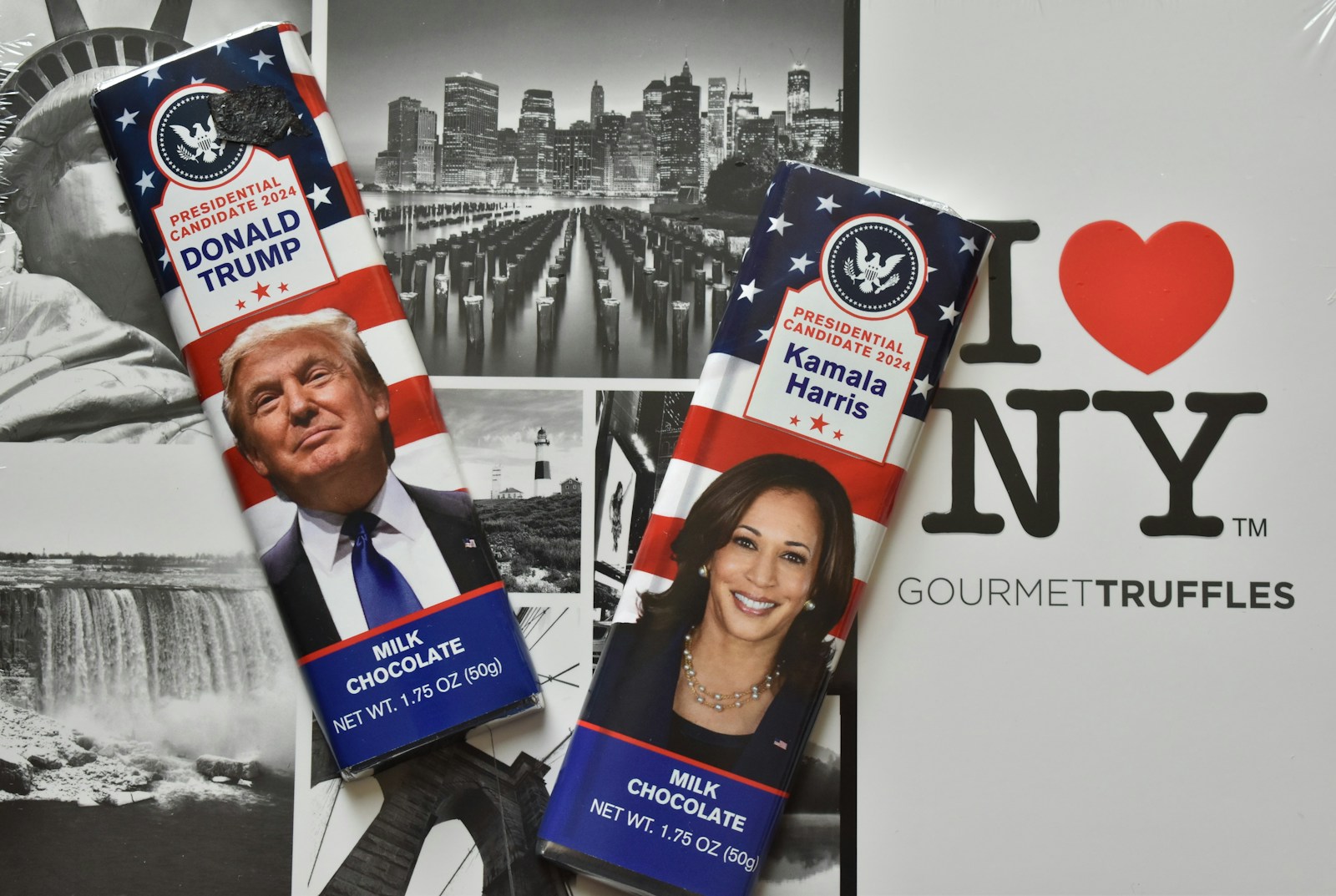
Political landscapes worldwide have increasingly leaned towards image over substance, with candidates often prioritizing their public personas over policy discussions. Campaigns are now heavily focused on branding, with politicians investing significant resources in crafting a relatable image rather than addressing complex issues. Voter engagement tends to hinge on charisma and presentation, leading to the election of individuals whose appeal is largely superficial, rather than based on their ability to govern effectively.
4. The Importance of Personal Branding
In the professional world, the concept of personal branding has gained traction, emphasizing the need to curate a specific image to advance one’s career. Professionals often feel pressured to project an image of success and competence, sometimes at the expense of honesty. This trend can lead to workplace environments where individuals feel compelled to conform to unrealistic expectations, sacrificing their true selves for the sake of appearances.
5. The Culture of Canceling and Outrage
The phenomenon of “cancel culture” exemplifies society’s tendency to prioritize appearances over truth. Public figures are frequently judged and condemned based on perceived missteps rather than a nuanced understanding of their actions. This culture of outrage often overlooks context and growth, fostering an environment where individuals are more concerned with maintaining a favorable image than engaging in honest dialogue about their mistakes and learning from them.
6. The Influence of Celebrity Culture
Celebrity culture further illustrates our obsession with appearances. Celebrities often dominate headlines not for their talents but for their personal lives and public personas. This obsession can skew public perception, leading fans to idolize figures based on superficial traits rather than their contributions to society. As a result, many individuals may feel pressured to emulate these celebrities, prioritizing style and image over personal integrity and authenticity.
7. The Impact on Mental Health
The obsession with appearances has tangible effects on mental health, particularly among younger generations. Studies show a correlation between heavy social media use and increased rates of anxiety and depression, largely driven by the pressure to present a perfect image. Individuals who invest more time in curating their online personas often find themselves struggling with self-esteem issues, as they grapple with the disparity between their real lives and the images they project.
Conclusion: Reassessing Our Values
The signs are clear that society is leaning towards valuing appearances over truth. This shift has implications that extend beyond individual choices, influencing political landscapes, workplace dynamics, and personal relationships. As we navigate this culture, it is crucial to reassess our values and consider the importance of authenticity in our lives. By prioritizing truth and genuine connections, we can work towards fostering a society that values substance over superficiality.

As a mom of three busy boys, I know how chaotic life can get — but I’ve learned that it’s possible to create a beautiful, cozy home even with kids running around. That’s why I started Cultivated Comfort — to share practical tips, simple systems, and a little encouragement for parents like me who want to make their home feel warm, inviting, and effortlessly stylish. Whether it’s managing toy chaos, streamlining everyday routines, or finding little moments of calm, I’m here to help you simplify your space and create a sense of comfort.
But home is just part of the story. I’m also passionate about seeing the world and creating beautiful meals to share with the people I love. Through Cultivated Comfort, I share my journey of balancing motherhood with building a home that feels rich and peaceful — and finding joy in exploring new places and flavors along the way.